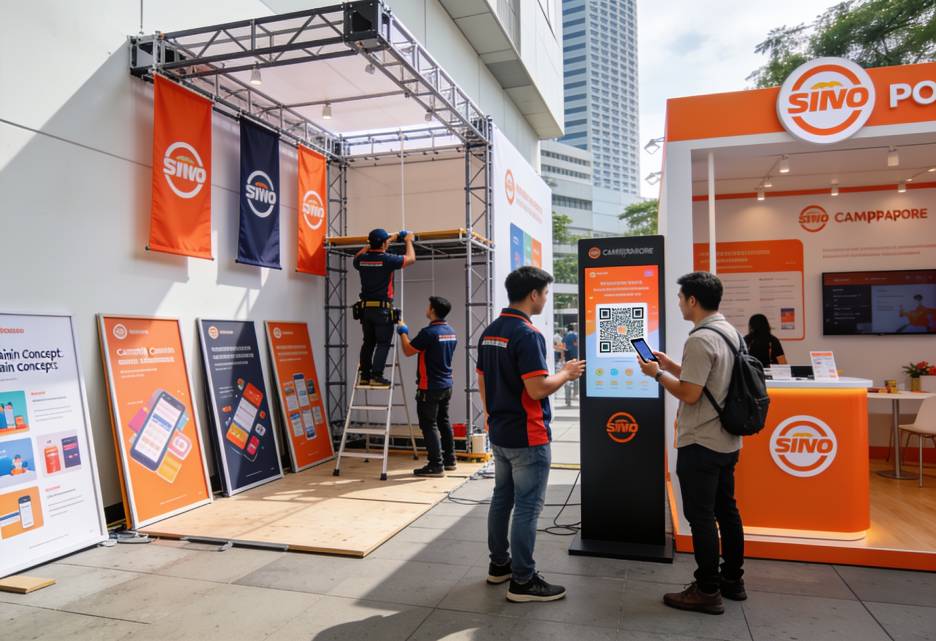
Every successful brand experience begins with an idea. It may be a product launch concept, a roadshow theme, an interactive retail activity, or a campaign designed to introduce a brand to a new audience.
However, turning that initial idea into something customers can see, touch, and experience requires more than creativity alone. It involves campaign planning, design development, production, manpower, logistics, technology, and careful on-site coordination.
An experienced event agency in Singapore helps connect all these elements. The agency takes the brand’s vision and develops it into a practical live experience that attracts attention, encourages participation, and communicates the right message to the target audience.
It Starts with Understanding the Brand Idea
Before developing the campaign, the event agency needs to understand what the brand wants to achieve.
A brand may approach an agency with a detailed campaign brief or only a general idea. For example, the client may want to launch a new product, increase product trials, generate leads, create social media content, or improve brand awareness in selected locations.
The agency will usually explore several important areas:
- The main campaign objective
- The intended target audience
- The message the brand wants to communicate
- The action customers should take
- The available budget and timeline
- The preferred campaign locations
- The brand guidelines and approval process
This early discussion gives the agency a clearer understanding of what the live experience needs to accomplish. It also prevents the campaign from becoming visually impressive but disconnected from the brand’s actual marketing goals.
Turning the Brief into a Campaign Direction
Once the objective is clear, the event agency begins shaping the idea into an overall campaign direction.
This stage may involve developing the campaign theme, visual approach, activation format, customer engagement method, and key touchpoints. The agency must consider how the idea will work in a real environment rather than only how it appears in a presentation.
For example, a brand that wants to encourage product trials may need a sampling station, demonstration area, promoter engagement, and a simple redemption flow. A campaign focused on lead generation may require QR registration, an interactive activity, and a clear incentive for participation.
The campaign direction should answer several practical questions:
What Will Attract Attention?
The agency considers how the setup will stand out in a busy mall, retail space, heartland location, business district, or outdoor environment.
What Will Customers Experience?
The campaign needs a clear activity or interaction that helps people understand the brand rather than simply viewing a display.
What Should Customers Do Next?
The experience may guide customers towards trying a product, completing a survey, scanning a QR code, registering their details, making an enquiry, or visiting a retail outlet.
By connecting these elements, the agency develops a campaign that has both creative appeal and a clear customer journey.
Choosing the Right Live Experience Format
Different campaign ideas require different execution formats. An event agency in Singapore can help the brand select an approach that suits its objective, audience, location, and budget.
Fixed Roadshows and Pop-Up Spaces
A fixed roadshow or pop-up space can provide room for product displays, demonstrations, sampling, games, registration, and face-to-face engagement. It is suitable for campaigns that need a consistent presence in one location over a set period.
Mobile Event Experiences
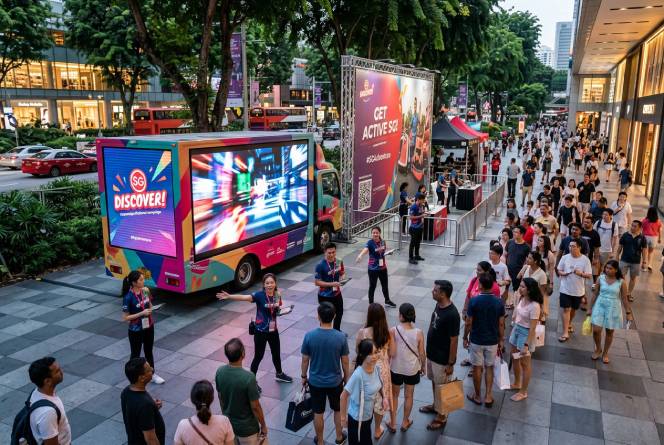
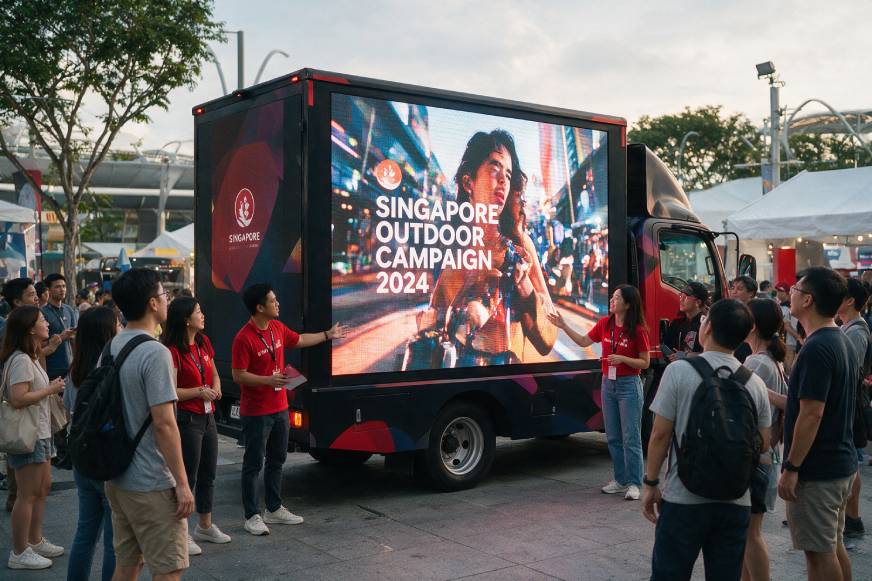
Brands that want to bring the campaign to several locations may use a mobile event space or customised vehicle. Event trucks, LED trucks, buses, and Kombi vans can be transformed into mobile showrooms, sampling stations, performance spaces, or interactive campaign environments.
Unicom Marketing’s mobile event spaces support roadshows, product launches, demonstrations, lead-generation campaigns, and pop-up experiences across Singapore.
Retail and Interactive Experiences
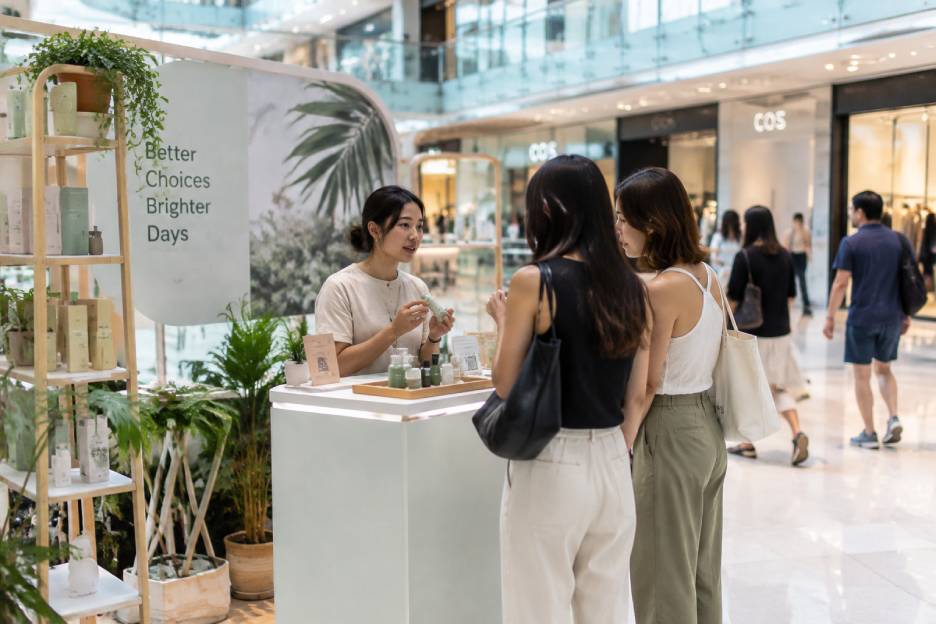
For campaigns held within stores or shopping environments, the agency may introduce interactive screens, digital games, photo activities, product demonstrations, or reward-based participation.
The selected format should support the campaign objective rather than being chosen only because it looks impressive.
Designing the Customer Journey
A live brand experience should be easy for customers to notice, understand, and join.
The event agency plans how people will move through the campaign from the moment they first see it until they complete the activity. This is known as the customer journey.
A typical experience may involve:
Attention:
The customer notices the campaign through the design, message, promoters, screens, or vehicle setup.
Invitation:
A promoter or campaign message explains what the activity offers and encourages the customer to participate.
Interaction:
The customer tries a product, joins a game, watches a demonstration, explores a display, or speaks with the event team.
Action:
The customer scans a QR code, registers, redeems a gift, provides feedback, follows the brand online, or makes an enquiry.
Brand Recall:
The customer leaves with a clear understanding or memory of the brand and its offering.
Planning this journey helps prevent unclear instructions, long waiting times, awkward layouts, and activities that attract attention without creating meaningful interaction.
Developing the Visual and Physical Environment
After the campaign direction is approved, the idea needs to be translated into a physical setup.
This may include:
- Booth and spatial layout
- Backdrops and display panels
- Product counters and shelves
- Branded vehicle wraps
- Digital screens and lighting
- Interactive activity areas
- Photo opportunities
- Sampling or demonstration stations
- Signage and customer instructions
- Promoter uniforms and campaign materials
The design must remain consistent with the brand’s identity while also being suitable for the actual event environment.
A visually attractive concept may need to be adjusted according to space restrictions, loading access, power availability, safety requirements, crowd movement, and setup schedules. The role of the event agency is to maintain the creative idea while ensuring it can be produced and operated effectively.
Bringing Digital Engagement into the Physical Experience
A live campaign does not have to remain entirely offline. Physical and digital elements can work together to create a more engaging and measurable experience.
An event agency may incorporate:
- QR code registration
- Digital lucky draws
- Interactive screens
- Touchscreen games
- Social media activities
- Instant surveys
- Database collection
- Photo or video content
- Digital reward redemption
Unicom Marketing’s brand activation services include database collection, instant surveys, social media traffic, interactive digital experiences, content creation, product demonstrations, and event staffing.
These elements allow customers to interact with the brand in person while also creating opportunities for follow-up engagement after the campaign.
Moving from Design to Production
Once the campaign concept and design have been approved, the event agency begins coordinating production.
This is the point where digital layouts and presentation slides become physical campaign materials. Booth structures are built, graphics are printed, vehicles are branded, props are prepared, technical equipment is arranged, and customer-facing materials are produced.
The agency may need to coordinate several suppliers and working teams to ensure that every item follows the approved design and arrives on schedule.
Production checks are important because small inconsistencies can affect the final experience. Branding colours, printed messages, product displays, lighting, screen content, and activity instructions should all work together as one campaign.
Preparing the People Behind the Experience
Even the best-designed campaign depends on the people running it.
Promoters, event crew, supervisors, technicians, and logistics teams all contribute to the customer experience. They need to understand the campaign objective, their responsibilities, and how to handle different situations during the activation.
Before the campaign begins, the agency may coordinate:
Promoter Briefing
Promoters are briefed on the brand, product information, campaign mechanics, customer approach, and frequently asked questions.
Team Responsibilities
Each team member should know who manages registration, sampling, demonstrations, stock, crowd flow, equipment, and customer enquiries.
Campaign Rehearsal
For more complex campaigns, the team may test the full customer journey before opening to the public. This helps identify unclear instructions, technical problems, or operational gaps.
Proper preparation ensures that customers receive a consistent brand experience regardless of which team member they speak with.
Coordinating the Campaign Setup
The campaign idea finally begins to take physical form during setup.
The event agency coordinates the delivery of structures, equipment, products, promotional items, and branding materials. The team then arranges the space according to the approved layout and checks that all customer-facing elements are ready.
Setup checks may cover:
- Branding placement
- Product arrangement
- Equipment testing
- Lighting and screen content
- QR codes and registration forms
- Giveaway and sample quantities
- Customer entry and queue areas
- Safety and accessibility
- Promoter stations
- Final presentation quality
This stage requires close attention because the setup must be completed within the venue’s permitted schedule and ready before the campaign begins.
Managing the Live Experience On-Site
When the campaign opens, the event agency shifts from preparation to live management.
The on-site team observes how customers respond, whether the engagement flow is working, and whether adjustments are required. They may need to reposition promoters, replenish materials, manage queues, troubleshoot equipment, or clarify campaign instructions.
Live campaigns can be unpredictable. Customer traffic may be higher or lower than expected, activity participation may take longer than planned, or technical issues may occur. An experienced agency responds quickly without allowing these challenges to disrupt the entire experience.
This is where careful planning and practical campaign experience become especially valuable.
Keeping the Brand Experience Consistent
Every part of the campaign should communicate the same message.
The visual setup, promoter conversations, digital activities, giveaways, product displays, and customer instructions need to feel connected. If these elements are inconsistent, the experience may confuse customers or weaken brand recall.
An event agency helps maintain consistency by working from approved brand guidelines, briefing the campaign team, checking production materials, and supervising the live execution.
This is particularly important for campaigns running across several days or multiple locations. Customers should receive a similar standard of experience wherever they encounter the activation.
Reviewing What Happened After the Campaign
The work does not necessarily end when the event space is dismantled.
After the campaign, the agency may compile results such as:
- Number of customer interactions
- Product samples distributed
- Registrations or leads collected
- QR code scans
- Survey responses
- Activity participation
- Sales enquiries
- Photos and campaign documentation
- Feedback from promoters and supervisors
- Operational observations
These insights help the brand understand how customers responded and what could be improved in future campaigns.
The review stage also helps transform the activation from a one-off event into useful marketing learning.
Why the Right Event Agency Matters
A brand idea may begin as a simple sentence, sketch, or marketing objective. Turning it into a successful live experience requires many disciplines to work together.
The right event agency in Singapore should be able to connect:
- Brand strategy
- Creative concept development
- Audience engagement
- Campaign design
- Physical production
- Digital interaction
- Manpower coordination
- Logistics and setup
- Live event management
- Post-campaign review
Unicom Marketing positions its services around brand activation, mobile event spaces, retail engagement, event execution, and interactive digital solutions, supporting brands from planning through delivery.
Conclusion
Turning a brand idea into a live experience requires much more than building an event booth. The idea must be developed into a practical campaign direction, translated into an engaging customer journey, produced accurately, and managed carefully when customers arrive.
An experienced event agency in Singapore helps bring these stages together. From the initial brief and creative concept to production, manpower, logistics, digital interaction, and on-site execution, the agency helps ensure that the final experience reflects the brand’s goals.
When creativity and execution work together, a campaign becomes more than an event. It becomes a real brand experience that customers can participate in, remember, and connect with.