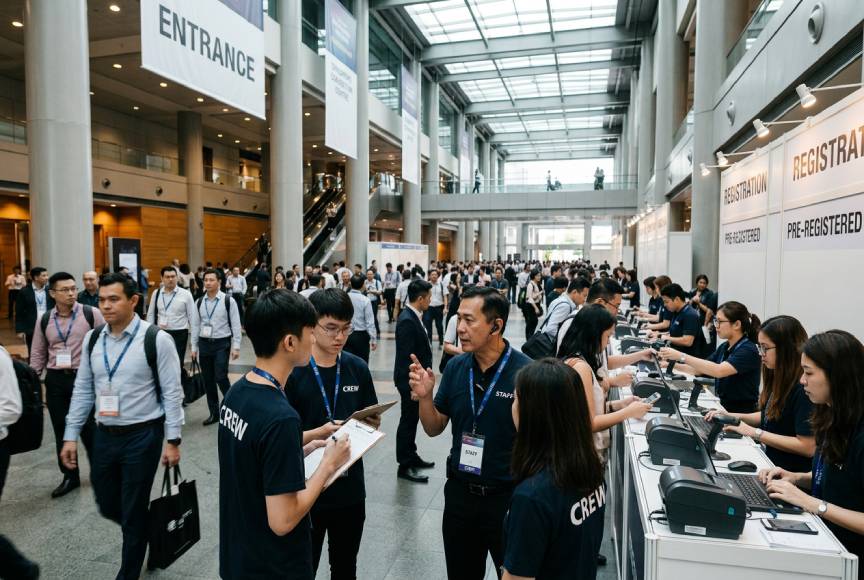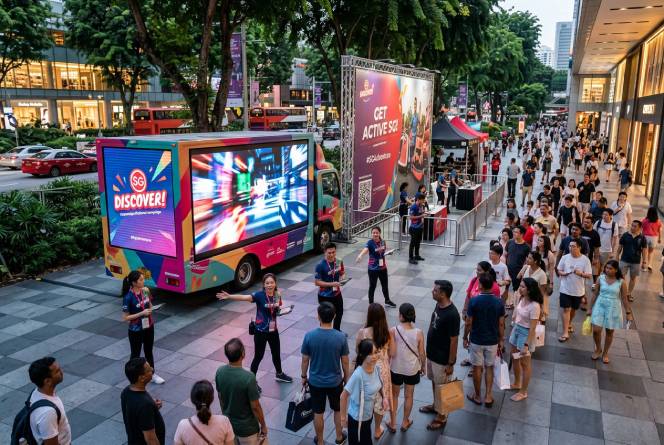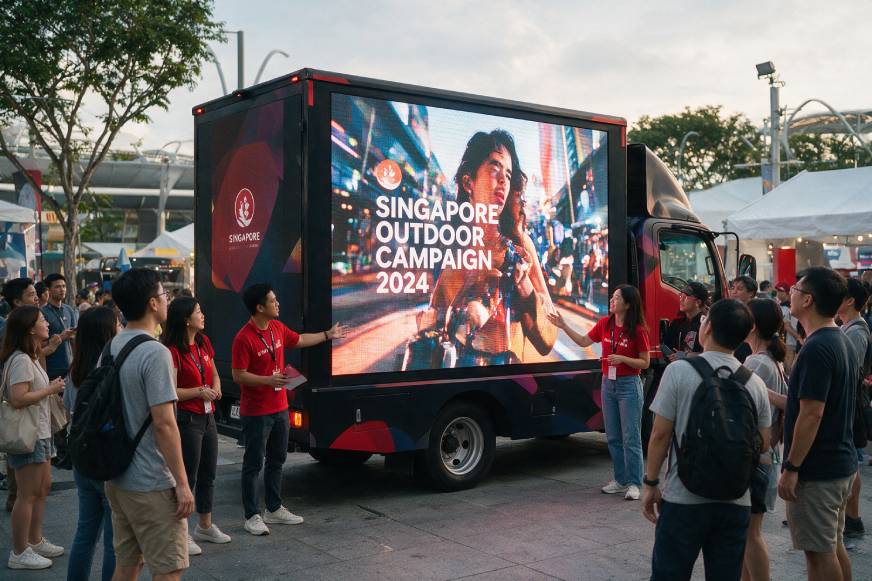
Brand activation works best when customers feel comfortable engaging with the brand. A campaign may have strong visuals, a clear booth setup, good product displays, and attractive rewards, but the conversation between promoters and customers can still decide whether the experience feels helpful or forced.
Natural customer conversations are important because live campaigns are built around human interaction. Customers want to feel that the promoter is helping them understand the product, not just pushing a sales message.
This is where an experienced activation agency in Singapore can help. The agency supports brands by planning the campaign message, promoter approach, customer flow, and engagement style so conversations feel more natural, useful, and connected to the customer’s needs.
Why Natural Conversations Matter in Brand Activation
Brand activation gives customers a chance to meet the brand in real life. They may ask questions, try products, receive recommendations, scan a QR code, or join a campaign activity.
If the conversation feels too scripted, customers may lose interest. If the promoter sounds too aggressive, customers may feel uncomfortable. If the explanation is unclear, customers may leave without understanding the product.
A natural conversation helps customers feel more open. It allows the promoter to understand what the customer cares about and explain the product in a way that feels relevant.
This can improve product understanding, trust, participation, and brand recall.
Natural Conversations Start with Understanding the Customer
A good customer conversation should not begin with a long sales pitch. It should begin with awareness of the customer’s situation.
Different customers approach campaigns differently. Some are curious and willing to listen. Some are in a rush. Some only want a quick sample. Others may be interested but hesitant to ask questions.
A trained promoter should know how to observe these signals and adjust the conversation.
For Fast-Moving Customers
For customers who are walking past quickly, the opening line should be short and simple. The promoter may invite them to try a sample, scan for a reward, or view a quick demo.
For Curious Customers
For customers who pause and look at the display, the promoter can offer a short explanation or ask a simple question to start the conversation.
For Interested Customers
For customers who ask questions, the promoter can give more details, recommend suitable options, and guide them toward the next step.
This flexible approach helps conversations feel more human and less scripted.
Promoter Scripts Should Guide, Not Control
Promoter scripts are useful because they keep the campaign message consistent. However, a script should not make the conversation sound robotic.
A good script gives promoters the key points they need to communicate, but still allows them to speak naturally. It should include the main product benefit, simple explanation, campaign offer, common questions, and call-to-action.
The promoter should understand the message well enough to explain it in their own words while staying accurate.
For example, instead of repeating a long product description, the promoter can say, “This is useful if you want something quick and easy for daily use.” This feels more natural than listing every feature immediately.
Asking Simple Questions Makes Engagement Easier
Questions can help promoters start conversations without sounding pushy.
A simple question invites the customer to respond and gives the promoter a better idea of what to explain next. It also makes the interaction feel more personal.
Examples of simple opening questions include:
- Have you tried this before?
- Are you looking for something for daily use?
- Would you like to try a quick sample?
- Do you prefer this option or that option?
- Would you like to see how it works?
The question should be easy to answer. Customers should not feel like they are being interviewed or pressured.
When questions are used naturally, they can turn a short interaction into a more meaningful conversation.
Product Benefits Should Be Explained in Customer Language
Many brands understand their products deeply, but customers may not understand technical terms or internal product descriptions.
A natural conversation should explain benefits in simple customer language.
Instead of focusing only on features, promoters should explain how the product helps the customer. For example, a feature may be “compact design,” but the benefit is “easier to carry around.” A feature may be “fast setup,” but the benefit is “less time needed before you can use it.”
An activation agency helps brands simplify product messaging before the campaign. This allows promoters to explain the product clearly without overwhelming customers.
Conversations Should Connect to the Campaign Activity
A natural conversation should not feel separate from the campaign experience.
If the customer joins a game, the promoter can connect the result to the product benefit. If the customer tries a sample, the promoter can explain what they are tasting or experiencing. If the customer scans a QR code, the promoter can explain what they will receive next.
The activity gives the conversation a natural reason to continue.
For example, after a skincare trial, the promoter may ask how the texture feels and then explain the product’s usage. After a product quiz, the promoter may recommend an option based on the customer’s answer.
This makes the conversation more relevant because it is based on what the customer just experienced.
Listening Is as Important as Explaining
Good customer conversations are not only about what promoters say. They are also about how well they listen.
Customers may share concerns, ask questions, compare products, or explain what they are looking for. These responses help promoters adjust the message.
If the promoter listens carefully, the conversation feels more helpful. If the promoter ignores the customer’s response and continues with the same sales pitch, the interaction may feel forced.
Listening also helps brands collect useful feedback. Common questions and concerns can show what customers need to understand better. This feedback can improve future campaigns, product messaging, and sales follow-up.
Promoters Should Avoid Over-Pushing the Sale
Brand activation is not always about closing a sale immediately. In many campaigns, the goal may be product trial, awareness, lead collection, customer education, feedback, or future purchase interest.
If promoters push too hard, customers may feel uncomfortable and end the conversation quickly.
A better approach is to guide the customer toward the next logical step. This could be scanning a QR code, redeeming a voucher, trying a sample, following the brand, asking for more information, or visiting a retail outlet later.
A natural call-to-action feels like a helpful suggestion, not pressure.
Clear Briefing Helps Promoters Stay Consistent
Natural conversations still need structure. Without proper briefing, promoters may explain the campaign differently, miss important points, or give inconsistent answers.
An activation agency can help prepare promoters with clear briefing materials and on-site guidance. This may include product knowledge, customer approach, key talking points, activity flow, common questions, and do’s and don’ts.
What Promoters Should Know
Promoters should understand the product benefit, campaign objective, target audience, participation steps, reward details, and final call-to-action.
What Promoters Should Avoid
They should avoid overloading customers with too much information, using unclear terms, blocking walkways, sounding too aggressive, or making promises that are not part of the campaign.
With the right preparation, promoters can communicate naturally while still protecting brand consistency.
Natural Conversations Support Better Campaign Results
When customer conversations feel natural, people are more likely to stay engaged.
They may spend more time at the booth, ask more questions, try the product more confidently, complete a QR form, redeem an offer, or remember the product benefit after leaving.
Natural conversations can also improve lead quality. Customers who feel comfortable are more likely to share useful information, explain their needs, and continue the relationship after the event.
This makes the campaign more than a short interaction. It becomes a meaningful customer touchpoint.
Why the Right Activation Agency Matters
A reliable activation agency in Singapore helps brands create natural customer conversations through planning, training, and campaign design.
The agency supports message simplification, promoter briefing, activity flow, product explanation, customer journey planning, and on-site coordination. These details help promoters speak with customers in a way that feels clear, friendly, and relevant.
This is useful for roadshows, product launches, retail activations, sampling campaigns, mobile event spaces, and interactive brand experiences.
A good activation agency does not only focus on attracting attention. It also helps brands create better conversations after customers stop.
Conclusion
Natural customer conversations are important because brand activation depends on real human interaction.
Customers are more likely to engage when promoters are friendly, clear, helpful, and able to adjust the conversation based on the customer’s needs. A natural conversation can make the campaign feel less like a sales pitch and more like a useful brand experience.
An experienced activation agency in Singapore helps brands create these conversations through clear messaging, proper promoter briefing, simple questions, customer-friendly explanations, and smooth campaign flow.
When conversations feel natural, customers are more likely to understand the product, trust the brand, and take the next step after the activation.