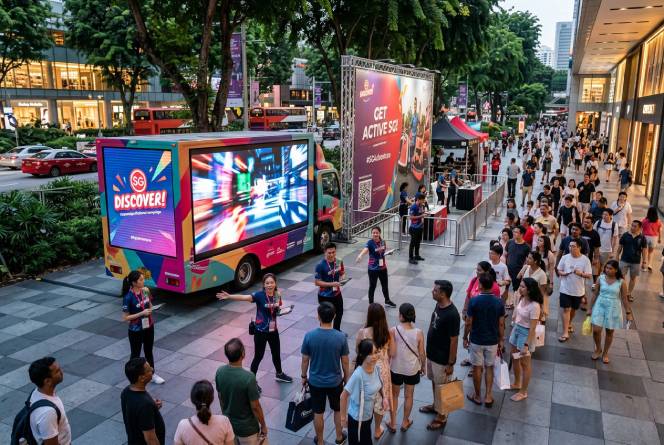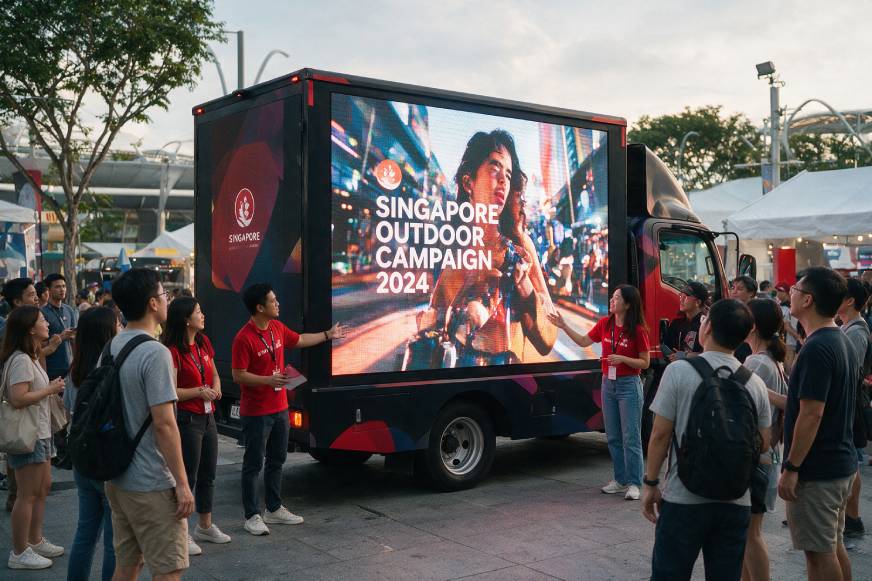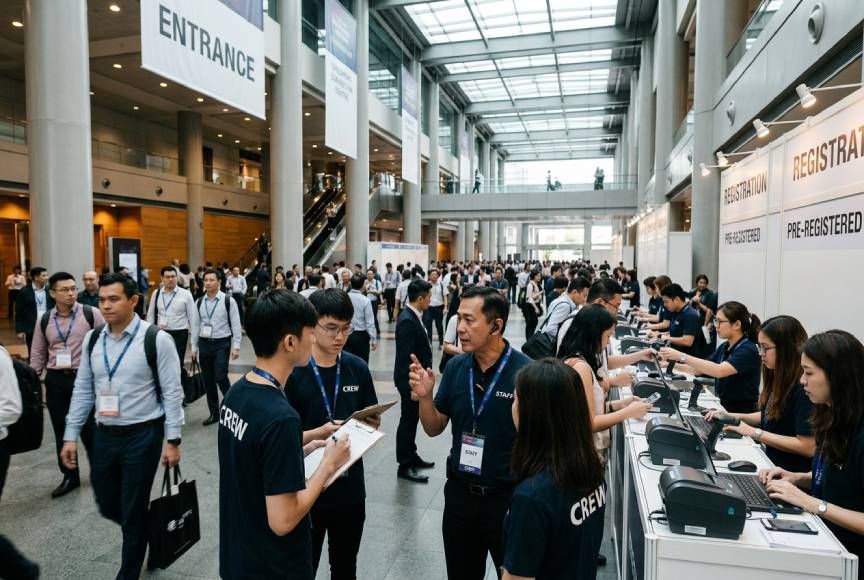
When customers attend a well-organised event, they usually notice the attractive displays, friendly promoters, engaging activities, and smooth overall experience. What they may not see is the amount of manpower planning required to make everything run properly.
Behind every successful roadshow, product launch, or brand activation is a team responsible for customer engagement, event operations, logistics, and on-site coordination.
An experienced event agency in Singapore helps brands plan these responsibilities before the campaign begins. From deciding how many promoters are needed to arranging staff schedules and supervisor coverage, good manpower planning supports consistent execution and a professional customer experience.
Why Event Manpower Planning Matters
Event manpower planning is more than hiring people to stand at a booth or distribute promotional materials.
Each staff member has a responsibility that contributes to the overall campaign. Some welcome customers, others explain products, manage activities, handle registration, or support operational tasks.
Without proper manpower planning, even an attractive event setup can experience problems such as long queues, delayed activities, unclear communication, or inconsistent customer service.
Good event manpower planning ensures that the right people are assigned to the right responsibilities at the right time.
This helps the campaign operate efficiently while creating a more comfortable experience for visitors.
Understanding the Campaign Requirements First
Before deciding how many staff members are needed, the event team must understand the campaign objective.
Different events require different manpower arrangements. A simple sampling campaign may need a small team of promoters, while a large roadshow with demonstrations, games, and multiple customer interaction zones may require additional support.
The event agency should consider the event location, operating hours, expected visitor traffic, campaign activities, and customer journey.
For example, a campaign focused on lead collection may require staff dedicated to registration and enquiries. A product sampling campaign may need promoters to manage product distribution and explain product benefits.
Planning manpower around actual responsibilities helps avoid unnecessary staffing costs and operational gaps.
Assigning Clear Roles and Responsibilities
A successful event campaign depends on teamwork, but teamwork becomes difficult when responsibilities are unclear.
Each team member should understand their duties and how they contribute to the campaign.
Event Promoters
Promoters welcome customers, introduce products, explain offers, encourage participation, and answer questions. They are often the main connection between the brand and its audience.
Event Supervisors
Supervisors oversee campaign operations, monitor staff performance, coordinate schedules, and respond to unexpected situations.
Event Crew and Support Staff
Event crew handle operational responsibilities such as equipment preparation, stock movement, product replenishment, and setup maintenance.
For larger campaigns, additional team members may be assigned to registration, technical support, queue management, or reward redemption.
Clear role allocation reduces confusion and helps the event operate more smoothly.
Planning Staff Schedules and Shift Coverage
Event campaigns may run for long hours or across several days. This makes manpower scheduling an important part of preparation.
Staff need appropriate working hours, rest breaks, and clear shift arrangements to maintain their performance throughout the campaign.
An experienced event agency in Singapore can help plan staffing coverage based on expected customer traffic and activity requirements.
For example, shopping mall roadshows may experience higher participation during lunch breaks, evenings, or weekends. Additional promoters may be needed during these periods to manage customer interactions.
During quieter hours, a smaller team may be sufficient to maintain the campaign.
The goal is not to have the highest number of staff at all times, but to provide the right level of support when it is needed.
Preparing Promoters Before Campaign Day
Promoters represent the brand directly, so they need to understand the campaign before interacting with customers.
A proper promoter briefing should cover the campaign objective, product information, key messages, activity instructions, reward rules, and customer engagement approach.
Promoters should also understand how to answer common questions and guide customers through the campaign.
For example, if a customer asks about product pricing, promotional conditions, or redemption requirements, the team should provide consistent information.
Good preparation helps promoters create more natural customer conversations instead of relying entirely on memorised scripts.
A well-prepared promoter team can make the campaign feel more welcoming, organised, and trustworthy.
Matching Manpower to Customer Traffic
Customer traffic is rarely consistent throughout an event.
A campaign may begin with a quiet morning before becoming busy during lunch or evening hours. During peak periods, promoters may need to handle several responsibilities simultaneously.
This is why manpower planning should consider both expected and actual participation levels.
During Peak Hours
Additional staff can support queue management, registration, product sampling, and customer enquiries to prevent overcrowding.
During Quieter Periods
Promoters may have more time to explain product benefits, provide detailed demonstrations, and engage in longer customer conversations.
Adjusting manpower allocation helps brands maintain consistent service quality throughout the campaign.
Keeping Communication Clear During the Event
Smooth event execution depends on clear communication between promoters, supervisors, logistics personnel, and brand representatives.
During a live event, operational situations can change quickly. Product samples may need replenishment, a demonstration may require technical assistance, or visitor traffic may increase unexpectedly.
Team members should know who to contact and how to report issues.
For smaller campaigns, direct supervisor communication may be sufficient. Larger events may benefit from dedicated communication channels or walkie-talkies.
A clear communication structure helps the team respond quickly without interrupting the customer experience.
Preparing for Unexpected Staffing Issues
Even with careful planning, unexpected situations can happen.
A promoter may arrive late, a staff member may become unavailable, or the event may attract more visitors than expected.
An event agency should prepare contingency arrangements before campaign day.
This may include backup staff, flexible role assignments, supervisor support, or revised shift coverage.
For example, if one promoter is unavailable, another trained team member should be able to cover essential responsibilities until replacement arrangements are made.
Contingency planning helps prevent minor staffing problems from becoming major operational disruptions.
Maintaining Consistent Customer Engagement
Customers should receive a similar level of service regardless of which promoter assists them.
This requires consistent product explanations, clear activity instructions, professional communication, and proper customer guidance.
Event supervisors can observe customer interactions and provide support when necessary.
For example, if customers repeatedly misunderstand the registration process, the supervisor can clarify the instructions and update the team.
Consistency matters because each customer interaction reflects the brand’s professionalism.
A well-managed team helps create an event experience that feels reliable from beginning to end.
Balancing Customer Engagement with Operational Support
Event manpower should support both customer-facing activities and behind-the-scenes operations.
If every team member focuses on attracting visitors, important tasks such as stock replenishment, technical assistance, and reward preparation may be overlooked.
On the other hand, assigning too many staff to operational tasks may leave too few people available to engage customers.
The manpower plan should balance these responsibilities based on the campaign format and expected workload.
This is especially important for roadshows, product launches, retail activations, and mobile event spaces involving multiple activities.
When the balance is right, the customer-facing team can focus on engagement while operational staff keep everything running.
Reviewing Manpower Performance After the Campaign
Manpower planning does not end when the event finishes.
A post-campaign review helps brands and agencies understand whether staffing arrangements were effective.
The review may consider visitor participation, queue conditions, promoter performance, customer feedback, staffing coverage, and operational challenges.
For example, a campaign may discover that registration required more manpower than expected, while another activity could operate with fewer staff.
These insights help improve future manpower schedules and role assignments.
Regular reviews are particularly useful for brands running recurring roadshows or campaigns across multiple locations.
How the Right Event Agency Supports Manpower Planning
A reliable event agency in Singapore helps brands coordinate manpower as part of a complete event management process.
This includes understanding campaign requirements, planning staffing levels, defining responsibilities, preparing promoters, organising schedules, supervising event operations, and reviewing performance.
The agency can also coordinate manpower requirements with booth setup, campaign logistics, product sampling activities, digital touchpoints, and customer flow.
Whether the campaign involves a small retail activation or a larger interactive brand experience, the right manpower structure supports smoother execution.
An experienced event partner understands that staff are not simply there to fill positions. They play an important role in representing the brand and creating meaningful customer interactions.
Conclusion
Event manpower planning is an essential part of organising a successful campaign.
Behind the scenes, event teams must coordinate staff responsibilities, shift schedules, promoter preparation, customer traffic, communication, and backup arrangements.
Working with an experienced event agency in Singapore helps brands manage these responsibilities while maintaining consistent customer engagement and smooth event operations.
When manpower is planned properly, the campaign becomes easier to manage, employees understand their responsibilities, and customers can enjoy a more professional and organised event experience.