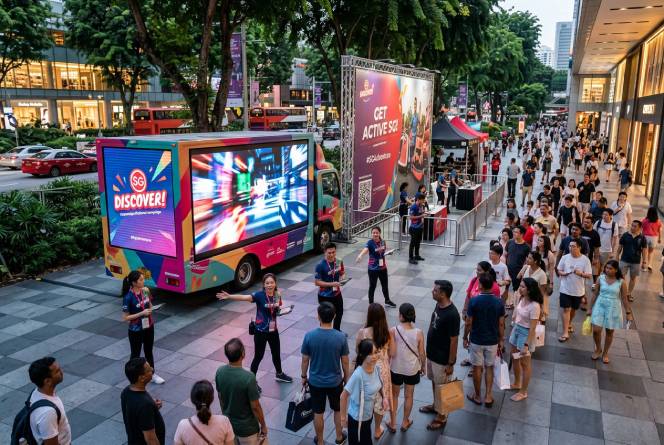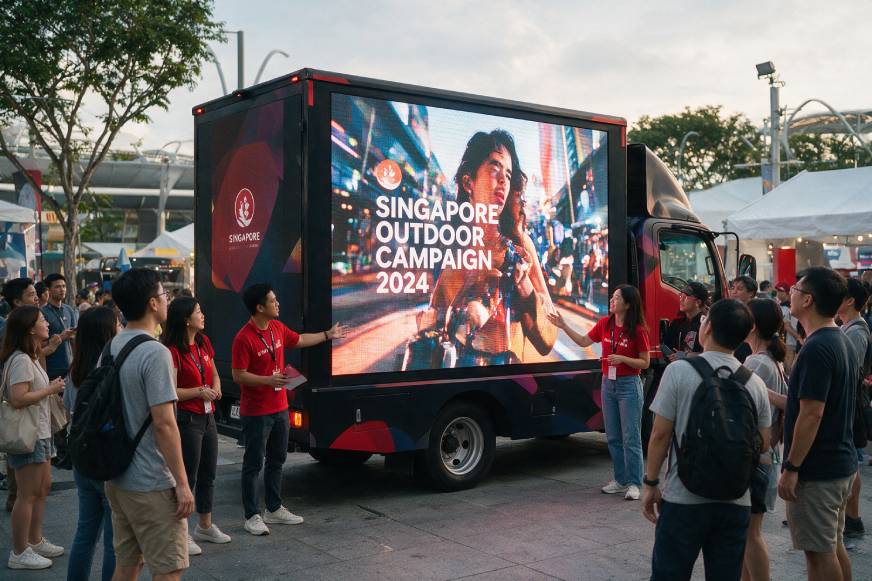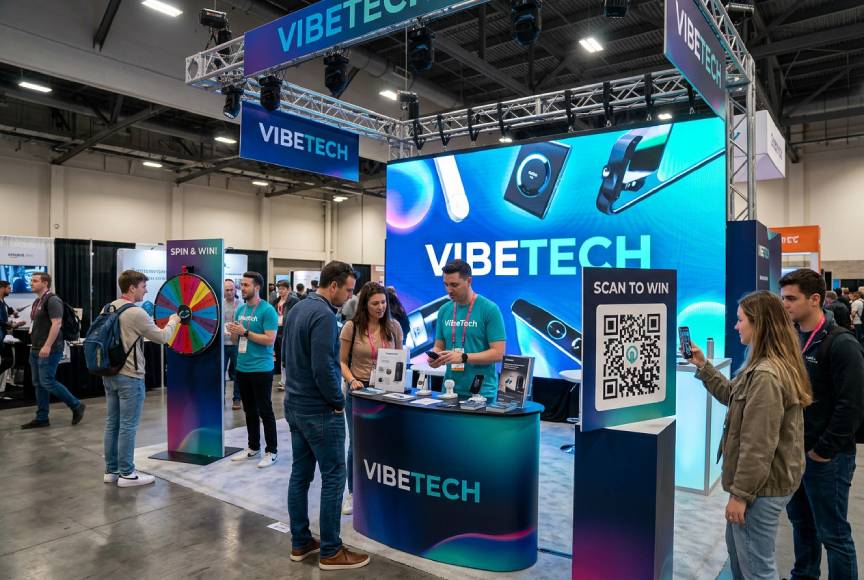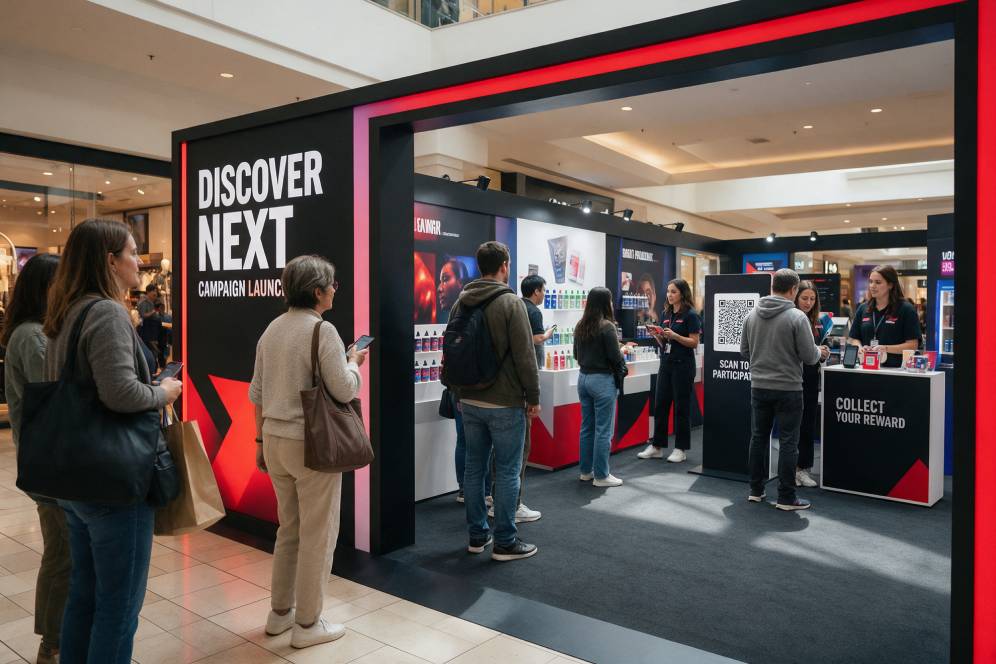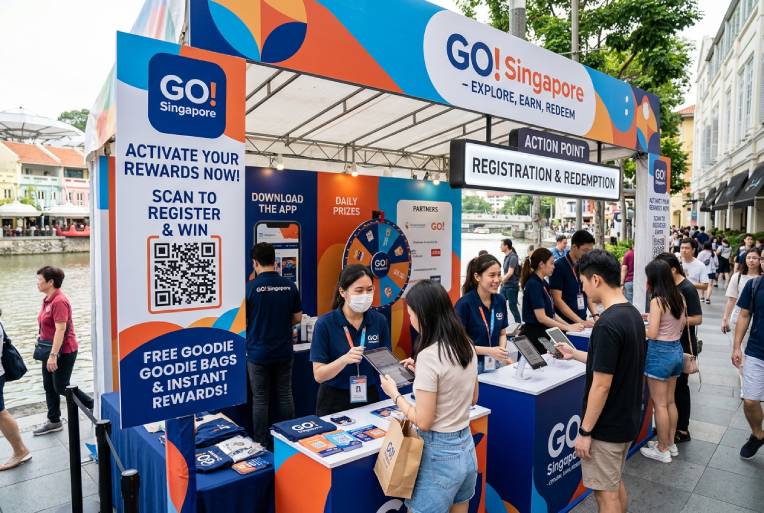
A live event campaign can attract attention, create excitement, and bring customers closer to a brand. However, attention alone is not enough. If customers do not know what to do after seeing the campaign, the opportunity may be lost.
This is why every event campaign needs a strong call-to-action. A call-to-action, or CTA, tells customers what step to take next. It may ask them to scan a QR code, try a product, redeem a sample, join a game, register interest, visit a store, download an app, or speak with a promoter.
An experienced event agency in Singapore helps brands plan CTAs that are clear, visible, and connected to the campaign objective. When the CTA is strong, the campaign becomes more than a brand display. It becomes a guided experience that moves customers from attention to action.
What Is a Call-to-Action in an Event Campaign?
In an event campaign, a call-to-action is the instruction that guides customers toward the next step.
It can appear on signage, digital screens, QR stands, brochures, product displays, promoter scripts, game instructions, or reward counters. Unlike a general brand message, a CTA is action-focused. It tells customers what they should do now.
For example, a roadshow campaign may use “Scan to Redeem Your Gift.” A product sampling campaign may use “Try It Today.” A lead-generation campaign may use “Register for a Free Consultation.” A retail activation may use “Visit the Store to Claim This Offer.”
A strong CTA should be simple, direct, and easy to complete. If customers need to think too much about what to do next, they may walk away.
A Strong CTA Gives the Campaign a Clear Purpose
An event campaign can include many elements, such as booth design, product displays, promoters, interactive activities, digital games, mobile event trucks, sampling counters, and printed materials.
Without a clear CTA, these elements may feel disconnected. Customers may enjoy the campaign but leave without taking any meaningful action.
A strong CTA gives the campaign direction. It connects the experience to the brand’s goal. If the goal is product trial, the CTA should guide customers to try the product. If the goal is lead collection, the CTA should encourage registration. If the goal is store traffic, the CTA should direct customers to the retail outlet or promotion.
The CTA helps turn campaign interest into measurable response.
Customers Need to Know What to Do Next
Many customers will not ask for instructions if the next step is unclear. They may look at the booth, take a sample, or watch an activity, but then leave without further engagement.
This is especially true in busy locations where people are moving quickly. In malls, business districts, retail spaces, and public event areas, customers often decide within seconds whether to stop or continue walking.
A clear CTA removes uncertainty. It tells customers exactly how to participate and what they will receive. For example:
- Scan to join the lucky draw
- Try a free sample today
- Register to receive your voucher
- Speak to our team for a demo
- Follow us to unlock the offer
These instructions are short, but they help customers move forward with less hesitation.
The CTA Should Match the Campaign Objective
Not every campaign should use the same CTA. The right call-to-action depends on what the brand wants to achieve.
For a new product launch, the CTA may encourage customers to try, test, or watch a demonstration. For a brand awareness campaign, the CTA may invite customers to join an activity or follow the brand online. For a lead-generation campaign, the CTA may focus on registration, enquiries, or consultations.
A good event agency in Singapore helps brands choose a CTA based on the campaign goal, audience behaviour, location, and customer journey.
Awareness Campaigns
For awareness, the CTA should encourage simple participation. Examples include “Join the Experience,” “Discover More,” or “Scan to Learn More.”
Product Trial Campaigns
For product trials, the CTA should guide customers toward hands-on experience. Examples include “Try It Now,” “Taste It Today,” or “Experience the Demo.”
Lead-Generation Campaigns
For lead generation, the CTA should make registration feel worthwhile. Examples include “Register for a Free Quote,” “Book a Consultation,” or “Scan to Claim Your Offer.”
A Strong CTA Improves Customer Flow
A CTA does not only support marketing results. It also helps manage the customer journey.
When the CTA is clear, customers know where to go and what to do. This can reduce confusion at the booth, prevent crowding, and help promoters guide visitors more smoothly.
For example, if a campaign has one area for product trials and another area for reward redemption, the CTA and signage should help customers move through the space properly. If customers need to scan a QR code before receiving a sample, the instruction should be visible before they reach the counter.
A strong CTA works together with the campaign layout. It helps the experience feel organised instead of random.
Promoters Help Bring the CTA to Life
Even when the CTA is printed clearly, promoters still play an important role.
Promoters can explain the action, invite customers to participate, answer questions, and guide people through the process. A good promoter does not only say the CTA word for word. They make it feel natural in conversation.
For example, instead of saying only “Scan this QR code,” a promoter may say, “You can scan here to redeem the sample and receive the promo voucher.” This explains both the action and the benefit.
Promoter briefing is important so the team communicates the same CTA clearly across the campaign.
The CTA Must Be Easy to Complete
A strong CTA is not just about wording. It must also be practical.
If the CTA asks customers to scan a QR code, the landing page should load quickly and be mobile-friendly. If it asks customers to register, the form should be short. If it asks customers to redeem a reward, the redemption process should be clear.
Customers may lose interest if the action takes too long or feels too complicated.
Before the campaign goes live, the event team should test the full CTA journey from the customer’s point of view. This includes checking QR codes, forms, digital vouchers, game instructions, reward counters, and promoter explanations.
A simple CTA is more likely to be completed.
The Benefit Should Be Clear
Customers are more likely to act when they understand what they will receive.
A CTA such as “Scan Now” may be too vague if customers do not know why they should scan. A stronger version would be “Scan to Redeem Your Sample” or “Scan to Get Your Launch Offer.”
The benefit does not always need to be a gift. It could be useful information, product recommendation, exclusive access, consultation, demo, voucher, or entry into a lucky draw.
The clearer the benefit, the easier it is for customers to decide.
Digital CTAs Help Extend the Campaign
Many event campaigns now use digital CTAs to connect physical engagement with online follow-up.
A customer may scan a QR code, complete a short form, download an app, follow a social media page, redeem an e-voucher, or receive product information through a landing page.
This allows the campaign to continue after the customer leaves the event space. It also helps brands measure results more clearly through QR scans, leads collected, voucher redemptions, app downloads, survey submissions, or enquiry forms.
However, the digital CTA should not feel separate from the live experience. It should connect naturally to the activity, reward, or product message.
CTAs Should Be Repeated at the Right Touchpoints
One CTA may appear in several places during the campaign, but it should not feel overwhelming.
The key is to place it where customers need direction. This may include the main campaign signage, activity area, QR stand, promoter script, product display, redemption counter, or final follow-up message.
Repetition helps customers remember the next step, especially in a busy event environment. However, the wording should stay consistent. If one sign says “Register Now” while another says “Scan to Win” and promoters say something different, customers may become confused.
Consistency makes the CTA stronger.
Measuring CTA Performance After the Campaign
A CTA also helps brands understand how well the campaign performed.
If the CTA is digital, brands can review results such as scans, registrations, downloads, form submissions, voucher claims, or enquiries. If the CTA is physical, the team can measure samples distributed, demos completed, consultations held, or store visits encouraged.
These results should be reviewed together with promoter feedback. For example, the team may notice that customers were interested but the form was too long, or that the reward was attractive but the CTA was not visible enough.
This learning can help improve future event campaigns.
Why the Right Event Agency Matters
A strong CTA needs more than good wording. It needs campaign planning, customer flow, visual placement, promoter briefing, digital setup, reward planning, and performance review.
The right event agency in Singapore helps brands design CTAs that are clear, practical, and aligned with the campaign objective.
For roadshows, product launches, brand activations, mobile event campaigns, retail engagement, and interactive experiences, a good CTA helps customers understand what to do next and gives the brand a better chance of achieving real results.
Conclusion
Event campaigns need a strong call-to-action because customers should not be left guessing what to do next.
A clear CTA helps guide participation, improve customer flow, support campaign goals, and turn live engagement into measurable action. Whether the goal is product trial, lead collection, app downloads, voucher redemption, store visits, or enquiries, the CTA gives the campaign a clear direction.
An experienced event agency in Singapore can help brands create CTAs that are simple, visible, easy to complete, and connected to the overall customer experience.
When customers understand the next step, they are more likely to act. That is what turns an event campaign from simple visibility into meaningful brand engagement.