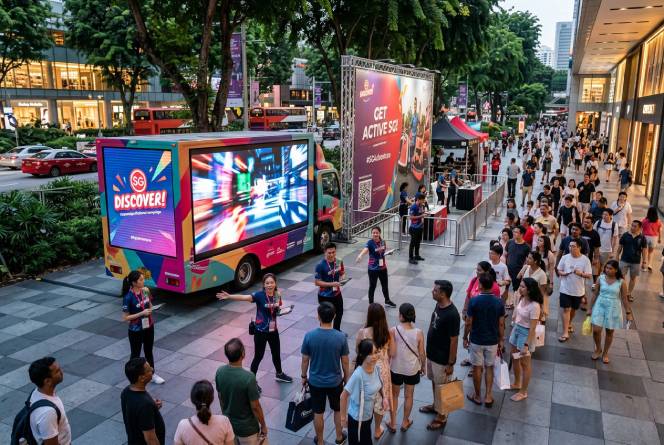
A busy brand activation may look successful at first glance. Customers are stopping, promoters are interacting, and people are participating in activities. However, high participation does not always mean the campaign is reaching the right audience.
Some visitors may be interested in the giveaways rather than the product. Others may enjoy the activity but have little need for what the brand offers. This creates an important question: Is your campaign attracting potential customers or simply attracting attention?
Working with an experienced activation agency in Singapore can help brands plan campaigns around audience relevance, customer behaviour, and meaningful engagement rather than focusing only on visitor numbers.
Why Reaching the Right Audience Matters
The goal of brand activation is not always to reach the largest possible crowd. It is to create meaningful connections with people who are likely to benefit from the product or service.
For example, a skincare brand may want to reach customers interested in personal care, while a family-oriented product may perform better in locations where parents regularly visit. A business service may need a different approach from a lifestyle product.
When the audience matches the campaign objective, customer conversations become more relevant, product trials become more useful, and follow-up opportunities become more meaningful.
A smaller group of genuinely interested customers can sometimes deliver more value than a large crowd with little purchase interest.
Understand Who Your Ideal Customers Are
Before planning the activation, brands should identify their target audience.
This involves looking beyond general information such as age or location. Brands should also understand customer interests, everyday needs, shopping habits, product preferences, and purchasing motivations.
An activation agency in Singapore can help translate these audience characteristics into practical campaign decisions.
Identify Customer Needs
What problem does the product solve? Why would someone be interested in trying it?
Understanding these questions helps brands create activities and messages that connect with real customer needs.
Consider Customer Behaviour
Where does the target audience spend time? When are they most likely to participate? Do they prefer quick sampling, detailed demonstrations, or personalised recommendations?
These insights can help shape a campaign that feels relevant instead of generic.
Choose Locations Based on Audience Fit
A high-traffic location does not automatically mean a suitable location.
Shopping malls, business districts, residential communities, retail outlets, and outdoor event spaces attract different audiences. Even within the same location, visitor profiles may change throughout the day.
For example, a campaign targeting office workers may benefit from locations near workplaces during lunch breaks. A family product may be better suited to weekend shopping areas, while a beauty brand may prefer retail environments where customers are already interested in personal care.
The right location strategy balances visibility with audience relevance.
The best location is not necessarily where the most people walk past, but where the right people are likely to stop.
Match Campaign Activities to Audience Interests
An activation activity should appeal to the people the brand wants to reach.
Games, product sampling, demonstrations, consultations, and interactive experiences can attract different types of participants.
For example, a beverage brand may use sampling to introduce new flavours. A technology brand may benefit from hands-on demonstrations, while a personal care brand may offer guided product trials.
Activities should provide customers with an opportunity to understand the product rather than simply participate for entertainment.
A good brand activation strategy connects the activity with the customer’s interests and the brand’s campaign objective.
Avoid Attracting Only Giveaway Hunters
Giveaways can increase participation, but they may also attract customers who have little interest in the brand.
This does not mean rewards should be avoided. Instead, they should be chosen carefully to support genuine customer engagement.
For example, offering a product sample, trial voucher, consultation, or product-related benefit may attract more relevant participants than an unrelated free gift.
Brands should also consider what customers need to do before receiving a reward. A short product demonstration or meaningful interaction can help ensure the campaign creates value beyond the giveaway.
The reward should support the product experience, not become the only reason customers participate.
Use Promoters to Identify Genuine Customer Interest
Promoters play an important role in understanding whether the campaign is reaching its intended audience.
Through natural customer conversations, promoters can learn what visitors are looking for, which product benefits interest them, and what questions they ask.
For example, customers who ask about pricing, product suitability, availability, or usage may demonstrate stronger interest than those who only ask about free gifts.
A well-prepared promoter team can adjust explanations based on customer needs without making interactions feel pushy.
This approach helps brands create more useful conversations and gather valuable feedback during the activation.
Make the Campaign Message Relevant
A campaign message should speak directly to the audience the brand wants to attract.
If the message is too general, it may fail to communicate why the product matters. If it focuses on a specific customer need, it becomes easier for interested customers to recognise its relevance.
For example, instead of only promoting a new product, the campaign could highlight a practical benefit, usage situation, or customer problem it addresses.
Clear signage, product displays, and promoter explanations should support the same message.
This helps the right customers understand why the campaign deserves their attention.
Measure Audience Quality, Not Just Visitor Numbers
Visitor numbers are useful, but they do not tell the full story.
A campaign may attract hundreds of participants without producing many relevant enquiries or product trials. Another campaign may attract fewer visitors but generate stronger interest from potential customers.
Brands should review measures such as:
- Product trials completed by interested customers
- Qualified enquiries and leads collected
- Customer questions and product feedback
- Voucher redemptions and follow-up actions
- Customer interest in specific products or services
These indicators can help brands understand whether they are reaching people who are genuinely interested.
However, the right measurements should always match the campaign objective. An awareness campaign may focus on reach and recall, while a lead-generation campaign may place more emphasis on qualified enquiries.
Connect the Campaign with Relevant Follow-Up
Reaching the right audience is only part of the process. Brands should also think about what happens after customers participate.
Digital touchpoints such as QR registrations, landing pages, digital vouchers, and WhatsApp enquiries can help interested customers continue their journey.
For example, someone who tries a product may receive a relevant purchase offer. A customer who requests more information may be guided toward a consultation or product page.
Follow-up communication should be relevant to the customer’s interests and based on appropriate consent.
This makes the campaign more valuable than a one-time interaction.
How an Activation Agency in Singapore Helps Brands Reach the Right People
A reliable activation agency in Singapore helps brands connect audience understanding with practical on-ground execution.
This includes identifying the target audience, selecting suitable locations, planning campaign activities, developing relevant messages, preparing promoters, and reviewing campaign results.
The agency can also help brands choose between roadshows, retail activations, product sampling campaigns, and mobile event spaces depending on the audience and objective.
With a clear audience strategy, brands can make better use of campaign resources and create experiences that resonate with potential customers.
Conclusion
A successful brand activation is not simply about attracting the biggest crowd. It is about connecting with people who are genuinely interested in the brand, product, or service.
Understanding customer needs, choosing suitable locations, planning relevant activities, training promoters, and measuring audience quality can help improve campaign effectiveness.
An experienced activation agency in Singapore can help brands plan these elements together, ensuring that the campaign focuses on both meaningful participation and the right audience.
When a brand reaches people who are more likely to value its offering, every product trial, conversation, and follow-up opportunity becomes more purposeful.