A successful event campaign does not only depend on logistics, manpower, or location. The way the campaign looks and communicates also plays a major role in how customers notice, understand, and remember the brand.
This is why strong visual direction should be planned before execution begins. Without clear visual direction, the campaign may look inconsistent, confusing, or disconnected from the brand message.
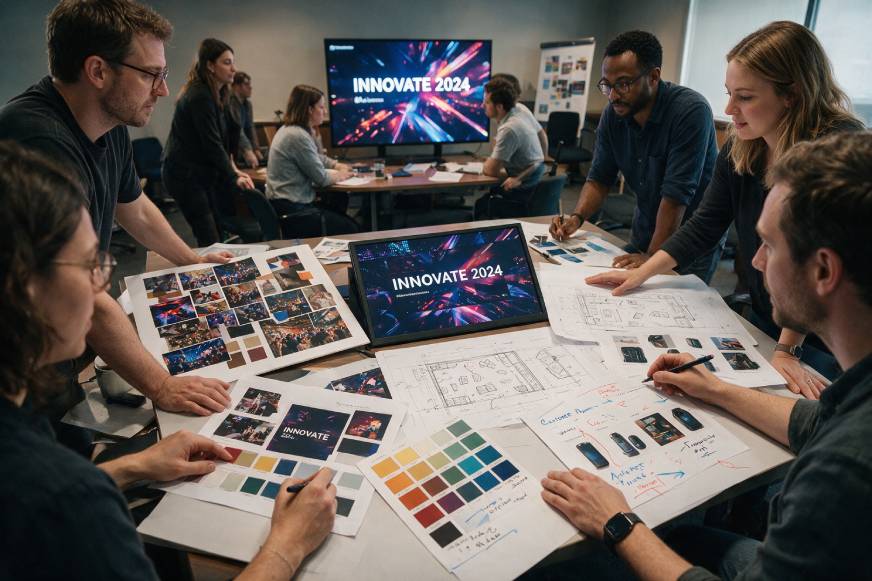
An experienced event agency in Singapore helps brands align visuals, messaging, layout, signage, screen content, product displays, and customer touchpoints before the campaign goes live. This helps the final event feel clearer, more professional, and easier for customers to engage with.
Visual Direction Sets the First Impression
Customers often notice the look of a campaign before they understand the details.
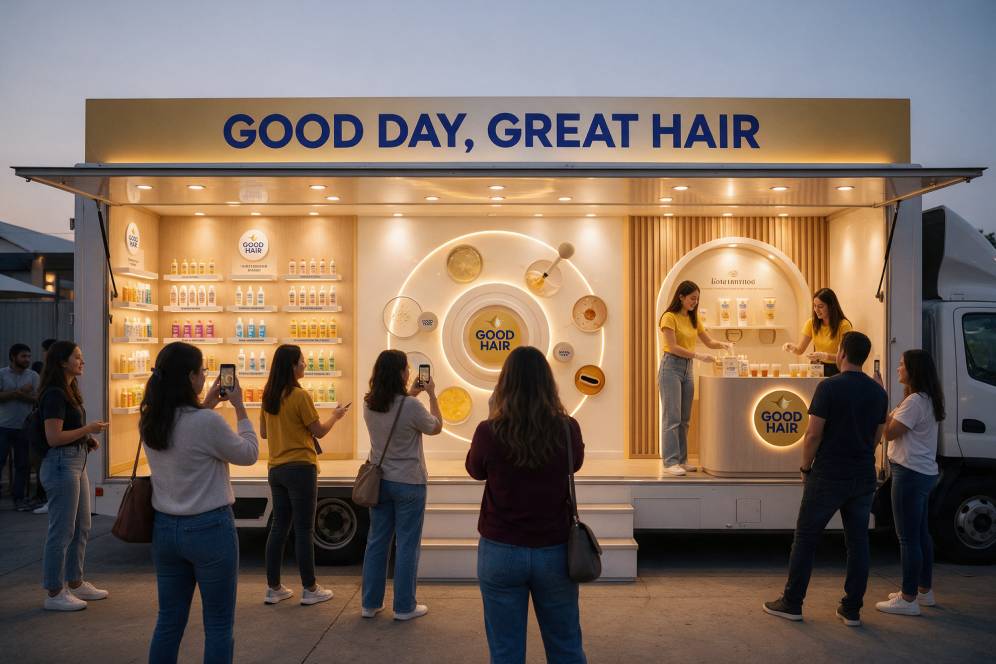
Colours, signage, display layout, lighting, product visuals, and digital screens can all influence whether customers slow down and pay attention. If the visual direction is strong, the campaign can look more attractive and organised from the first glance.
A clear visual direction helps customers recognise the campaign quickly. It also helps the brand create a more professional image in busy event spaces.
Without visual planning, even a good campaign idea may look messy or difficult to understand.
It Keeps the Brand Message Consistent
A campaign may use many different materials, such as banners, backdrops, flyers, LED screen visuals, product counters, uniforms, digital forms, and social media graphics.
If each item looks different, the campaign may feel inconsistent. Customers may not connect all the pieces as one complete brand experience.
Strong visual direction helps maintain message consistency across all touchpoints. The same colour style, typography, image direction, product focus, and campaign headline should work together.
Consistency makes the campaign easier to recognise and easier to remember.
It Helps Customers Understand the Campaign Faster
In live event environments, customers do not usually spend a long time reading detailed information.
They may only have a few seconds to decide whether the campaign is worth approaching. Visual direction helps simplify the message so customers can quickly understand what the campaign is about.
This includes deciding what should be most visible, what should be secondary, and what should be explained later by promoters.
Main Visual Message
This may include the headline, main product image, campaign offer, or key benefit.
Supporting Visual Details
These can include smaller product information, QR instructions, reward details, or additional campaign steps.
When information is visually organised, customers can understand the campaign without feeling overloaded.
It Supports Better Signage Planning
Signage is one of the most important parts of event communication.
Good signage should help customers know what the campaign is, where to start, what to do, and what they can receive. Poor signage can make customers confused even if the setup looks attractive.
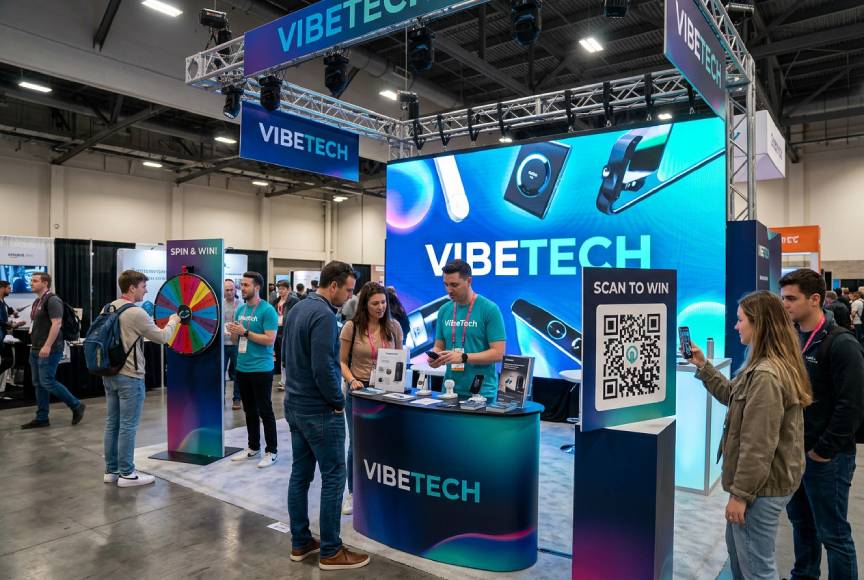
Visual direction helps decide the hierarchy of signage. For example, the main campaign message should be easy to see from a distance, while smaller instructions can be placed closer to the activity area.
This helps customers move from attention to participation more naturally.
It Improves Product Display
Product display should not be planned at the last minute.
The way products are arranged can affect how customers understand the offer. Products may be grouped by category, benefit, usage step, flavour, package, or customer need.
A strong product display can support both visual impact and product explanation. It can also help promoters explain the product more clearly.
If the display is cluttered, hidden, or inconsistent with the campaign design, customers may not know where to focus.
A planned product display helps turn the campaign space into a clearer product experience.
It Makes LED Screens and Digital Visuals More Effective
LED screens, digital displays, and motion graphics can make an event campaign more eye-catching. However, screen content needs clear visual direction to work well.
If the video is too crowded, text is too small, or the message changes too quickly, customers may not understand it.
Digital visuals should use short messages, strong product visuals, readable text, and simple motion. The screen should support the campaign goal, not distract from it.
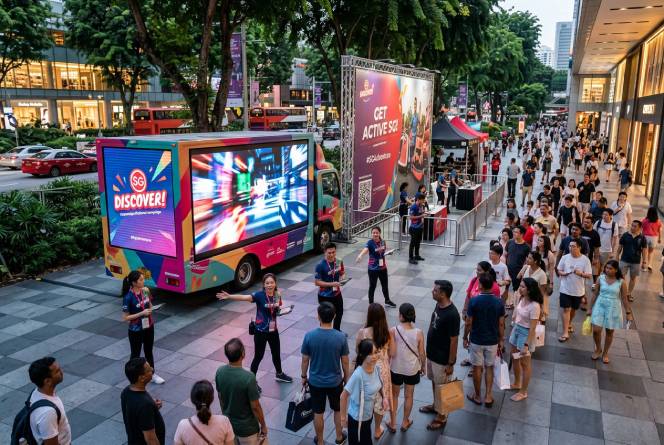
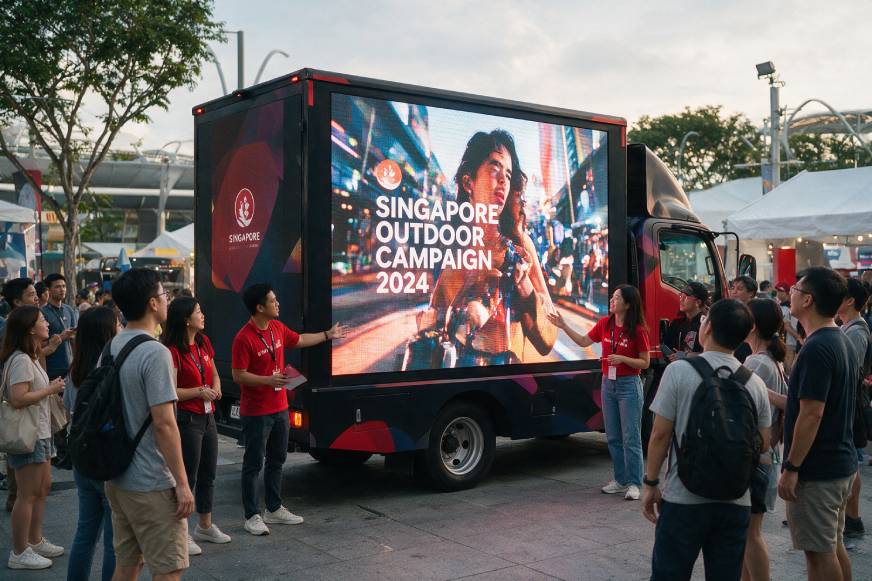
This is especially important for LED truck campaigns, roadshows, product launches, and high-traffic event locations where customers may only view the content briefly.
It Guides the Customer Journey
Visual direction is not only about design. It also helps guide the customer journey.
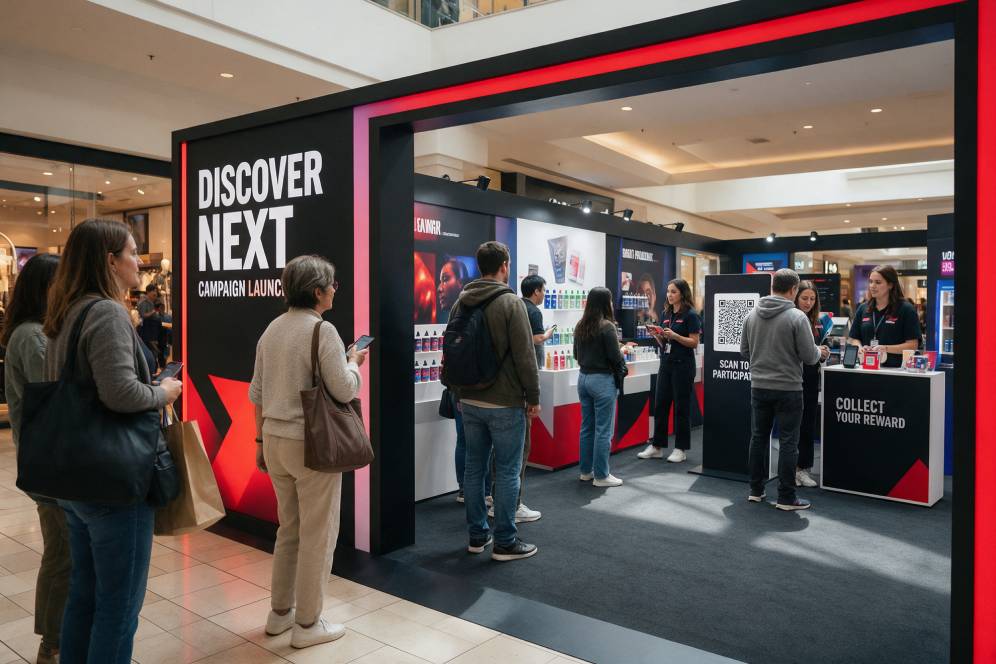
Customers should be able to see where to enter, where to view the product, where to join the activity, where to scan a QR code, where to redeem a reward, and where to take the next step.
Directional visuals, signage, floor layout, counter placement, and promoter positioning should all support this journey.
If the customer journey is unclear, people may hesitate, miss important steps, or leave before completing the experience.
It Helps Promoters Communicate Better
Promoters rely on campaign materials to support their explanation.
If the visuals are clear, promoters can easily point to the product benefit, offer, QR instruction, or campaign message. This makes the customer conversation smoother.
If the visuals are confusing, promoters may need to explain too much from the start. This can slow down the interaction and make the campaign feel less organised.
Strong visual direction helps promoters deliver a more consistent and confident message.
It Prevents Last-Minute Design Problems
Without visual direction, design decisions may happen too late in the process.
This can lead to issues such as unclear signage, mismatched colours, weak product focus, poor image quality, unreadable text, inconsistent materials, or visuals that do not fit the actual setup.
Planning visual direction early helps the team review what is needed before production. It also gives time to adjust artwork, layout, screen content, and print materials before execution.
Good visual planning reduces avoidable mistakes on campaign day.
It Balances Creativity with Practical Execution
Creative visuals are important, but they must still work in a real event environment.
A design may look good on screen but become difficult to read at the event. A layout may look impressive in a proposal but block customer flow. A backdrop may look attractive but fail to show the main product clearly.
A reliable event agency in Singapore helps brands balance creativity with practical execution. This means checking viewing distance, customer movement, setup size, lighting, material quality, screen readability, and venue conditions.
Good visual direction should look attractive and work practically.
Why Visual Direction Matters for Campaign Results
Strong visual direction helps the campaign become clearer, more consistent, and more memorable.
It supports customer attention, product understanding, promoter communication, digital touchpoints, customer flow, and final call-to-action.
For roadshows, product launches, sampling campaigns, retail activations, mobile event spaces, LED truck campaigns, event truck campaigns, and interactive brand experiences, visual direction helps all campaign elements feel connected.
When the visuals support the message and customer journey, the campaign is more likely to create meaningful engagement.
Conclusion
Event campaigns need strong visual direction before execution because visuals shape how customers notice, understand, and experience the campaign.
Clear visual planning helps align branding, signage, product display, LED screen content, digital touchpoints, promoter communication, customer flow, and final action.
Working with an experienced event agency in Singapore can help brands turn campaign ideas into a more organised and customer-friendly event experience.
When visual direction is planned early, the campaign becomes easier to execute, easier for customers to understand, and more effective for brand engagement.