For small and growing brands, competing with established companies can be challenging. Larger brands often have stronger recognition, bigger advertising budgets, wider distribution networks, and an existing customer base.
However, smaller businesses have their own advantages. They can connect personally with customers, respond quickly to feedback, and create experiences that feel more approachable and authentic.
This is where brand activation can create valuable opportunities for smaller brands. Instead of relying only on digital advertisements or traditional marketing, businesses can introduce their products directly to potential customers through sampling, demonstrations, roadshows, and interactive activities.
Working with an experienced activation agency in Singapore can help smaller brands turn these opportunities into practical campaigns that build awareness, encourage product discovery, and develop customer trust.
Brand Activation Gives Small Brands a Chance to Be Noticed
One of the biggest challenges for smaller brands is getting customers to notice them.
Established brands often benefit from familiarity. Customers may recognise their logos, remember their advertisements, or already know what to expect from their products.
Smaller brands may not have the same advantage, but brand activation allows them to introduce themselves in a more direct way.
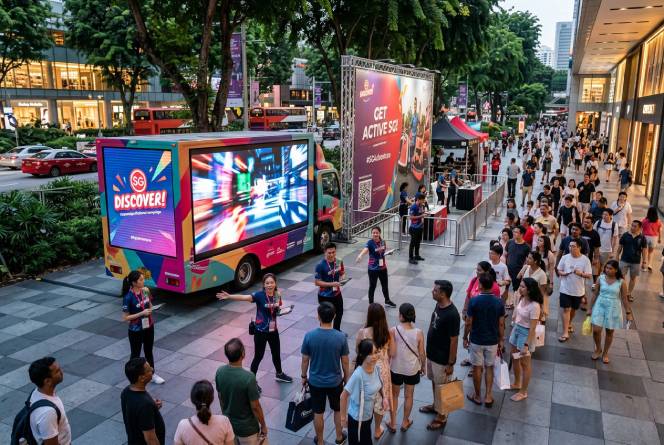
A well-planned activation can create a physical presence in shopping malls, retail areas, community events, or roadshow locations where potential customers are already spending time.
The goal is not necessarily to reach everyone. It is to become visible to the people most likely to value the brand.
Personal Customer Interaction Can Be a Competitive Advantage
Small brands may have fewer marketing resources, but they can often offer something valuable: personal attention.
During a brand activation, customers can speak directly with promoters or brand representatives, ask questions, and receive recommendations based on their needs.
These natural customer conversations help create a more personal connection than a general advertisement.
For example, a small skincare business can explain its product ingredients and usage directly to interested shoppers. A local food brand can share the story behind its products while offering samples.
Customers may not remember every advertisement they see, but a helpful personal experience can leave a stronger impression.
Product Sampling Helps Reduce Customer Hesitation
Customers may hesitate to purchase from an unfamiliar brand because they do not know what to expect.
Product sampling campaigns can help overcome this hesitation by giving customers an opportunity to experience the product before buying.
For food and beverage brands, this may involve tasting a new flavour. Beauty brands may offer product testers, while lifestyle brands can provide short demonstrations.
Let the Product Speak for Itself
When customers can experience the product directly, they can form their own opinions about its quality, features, and suitability.
Answer Questions Immediately
Promoters can explain product benefits, usage instructions, pricing, and availability during the interaction.
For smaller brands, a positive first-hand experience can be particularly valuable when customers are not yet familiar with the brand name.
Small Brands Can Focus on a Specific Audience
Competing with established brands does not mean reaching the same number of customers.
Smaller businesses can focus on a specific customer group that is more likely to appreciate their products.
For example, a niche wellness brand may target customers interested in personal wellbeing. An independent beverage brand may focus on young working adults, while a family-oriented product may be more relevant to parents.
By understanding the target audience, brands can choose suitable locations, create relevant campaign messages, and design activities that match customer interests.
A targeted brand activation strategy can help smaller businesses use their marketing resources more efficiently instead of trying to appeal to everyone.
Creative Campaign Ideas Do Not Always Need Large Budgets
A successful activation does not always require an elaborate booth or expensive production.
Smaller brands can start with simple but meaningful experiences that encourage customers to engage with their products.
For example, a compact sampling counter, short product demonstration, interactive quiz, or personalised recommendation session can create useful engagement when planned properly.
The important part is making the experience relevant and easy to join.
A simple activity that helps customers understand the product may be more valuable than a complicated game that attracts attention but does not communicate the brand message.
Creativity works best when it supports a clear campaign objective, rather than increasing costs without adding customer value.
Brand Storytelling Helps Smaller Businesses Stand Out
Smaller brands often have interesting stories behind their products.
They may have started from a founder’s personal experience, a passion for craftsmanship, a specific customer problem, or a desire to offer something different in the market.
Brand activation gives businesses an opportunity to communicate these stories through real interactions.
Instead of placing a long brand story on a poster, promoters can share short explanations during product demonstrations or customer conversations.
Product displays, visual materials, and sampling experiences can also communicate what makes the brand different.
When customers understand the people, purpose, or ideas behind a product, the brand can become more memorable.
Roadshows Help Small Brands Explore New Markets
For businesses planning to expand beyond their existing customer base, roadshows can provide opportunities to introduce products in different locations.
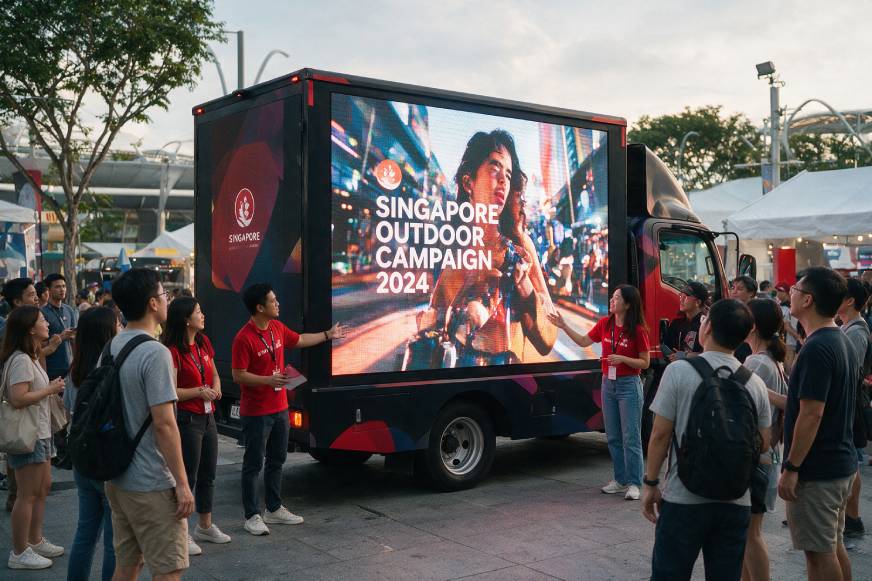
A brand may begin with a small retail activation before exploring shopping malls, community events, or mobile event spaces.
These campaigns can help businesses observe how different audiences respond to their products.
For example, customers in one location may be more interested in product demonstrations, while another audience may respond better to quick sampling or promotional bundles.
This feedback can help smaller brands refine their marketing approach before committing to larger campaigns.
Customer Feedback Can Help Smaller Brands Improve Faster
One advantage of on-ground activation is the opportunity to hear customer opinions directly.
Customers may ask about product pricing, ingredients, functionality, packaging, or availability. Their reactions can reveal what they appreciate and what may need improvement.
Promoters can collect common questions and observations for a post-campaign review.
This information may help smaller brands improve product explanations, promotional messages, packaging, or future campaign activities.
Unlike relying only on online engagement numbers, face-to-face interaction can provide useful context behind customer interest.
Digital Touchpoints Can Extend the Relationship
Brand activation does not need to end when customers leave the event.
Smaller businesses can use digital touchpoints such as QR codes, WhatsApp enquiries, digital vouchers, social media pages, or product landing pages to continue the relationship.
For example, customers who enjoy a product sample may scan a QR code to receive a purchase voucher. Those interested in learning more may follow the brand online or request additional product information.
These follow-up steps should be simple, relevant, and based on appropriate customer consent.
A clear follow-up strategy helps brands build relationships beyond the first interaction without requiring a large physical retail presence.
Measuring Results Helps Small Brands Spend More Wisely
For smaller businesses, marketing budgets need to be used carefully.
This makes campaign measurement especially important.
Instead of focusing only on how many people visited the activation, brands can review product trials, qualified enquiries, voucher redemptions, customer feedback, and follow-up interest.
These results can help businesses understand which activities and locations are worth repeating.
A post-campaign review also provides useful insights for future marketing decisions.
A smaller campaign with measurable customer interest may offer greater practical value than a larger campaign with unclear results.
How an Activation Agency in Singapore Supports Growing Brands
A reliable activation agency in Singapore can help smaller businesses plan campaigns that match their objectives, audience, and available resources.
This may include selecting an appropriate campaign format, choosing suitable locations, developing clear messages, arranging promoter support, planning customer flow, and preparing digital engagement tools.
The agency can also help brands decide whether roadshows, retail activations, product sampling campaigns, or mobile event spaces are appropriate for their current growth stage.
Rather than focusing only on visual presentation, the right activation partner helps create practical experiences that support product awareness, customer understanding, and meaningful interaction.
Conclusion
Small brands do not always need to compete with established companies through bigger advertising budgets or larger campaigns.
Brand activation gives growing businesses opportunities to introduce their products, tell their stories, build customer confidence, collect feedback, and create memorable face-to-face experiences.
With support from an experienced activation agency in Singapore, smaller brands can develop focused campaigns that connect with the right audience and make better use of their marketing resources.
While brand activation cannot guarantee immediate sales or market growth, it can help smaller businesses build stronger recognition and customer relationships over time.