A brand activation may have an attractive setup, engaging promoters, and a creative activity, but the campaign can still underperform if customers do not know where to begin or what to do next.
Campaign flow refers to the way customers move through the activation experience. It covers how they notice the campaign, enter the space, understand the activity, participate, interact with the brand, and complete the intended action.
An experienced activation agency in Singapore plans this journey carefully. Good campaign flow helps reduce confusion, improve participation, manage queues, and ensure that every part of the activation supports the campaign objective.
What Is Campaign Flow in Brand Activation?
Campaign flow is the planned sequence of interactions customers experience during an activation.
It begins before a customer enters the booth or event space. The visual design, campaign message, promoter approach, and entrance placement all influence whether someone notices the activation and feels comfortable joining.
Once the customer enters, the journey may include product discovery, registration, demonstrations, games, sampling, consultation, reward redemption, or lead collection.
A clear campaign flow guides customers naturally from one stage to the next. Without it, visitors may stop at the entrance, miss important information, skip the main activity, or leave before completing the desired action.
Good Flow Makes the Campaign Easier to Understand
Customers often decide within a few seconds whether an activation is worth joining.
If the setup is crowded, the message is unclear, or the activity looks complicated, they may walk away. A well-planned flow makes the experience feel simple and inviting.
Customers should be able to understand:
- What the campaign is about
- Where they should begin
- What they need to do
- How long the activity may take
- What they will receive after participating
This does not mean every instruction needs to appear on a large sign. The layout, promoter guidance, and activity design should work together to make the next step obvious.
The Customer Journey Should Begin with a Clear Attraction Point
The first stage of campaign flow is attracting attention.
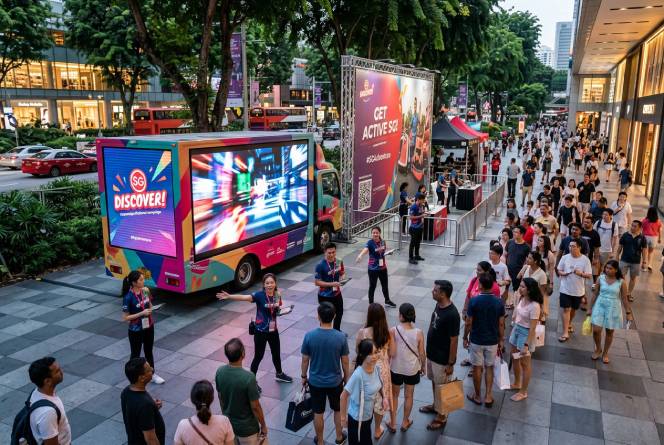
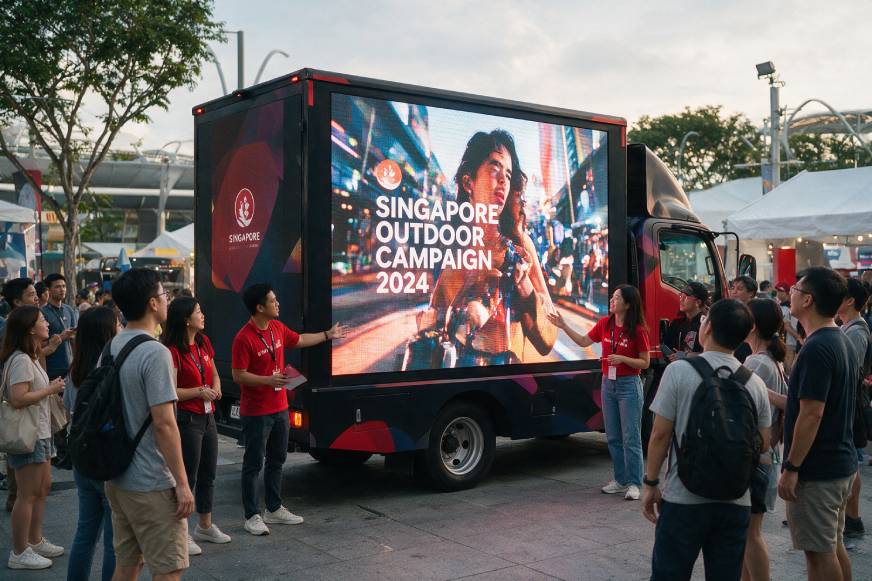
This may come from a bold visual display, product demonstration, digital screen, event vehicle, interactive activity, or promoter invitation. However, attracting attention is only useful when the customer can quickly connect the visual impact to the brand message.
For example, a large digital game may draw a crowd, but visitors should also understand what product or service the campaign is promoting. The attraction point should create curiosity while introducing the campaign naturally.
An activation agency in Singapore can help position the main message, activity, and entrance so they work together instead of competing for attention.
Entry Points Affect Whether Customers Feel Comfortable Joining
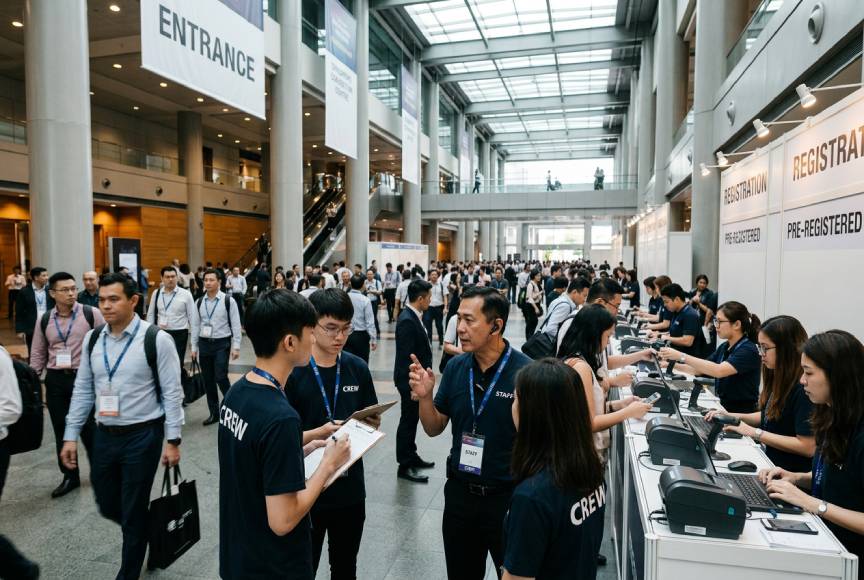
The campaign entrance should feel open and easy to access.
If customers must walk through a narrow area, cross an active queue, or interrupt another activity to enter, they may avoid participating. A clear entry point gives visitors confidence and helps promoters approach them more naturally.
The entrance should also match the customer environment. A mall activation may need an open frontage for passing shoppers, while a roadshow in a business district may require a faster and more direct entry experience.
Campaign flow becomes stronger when the entrance leads immediately to a clear first action, such as speaking with a promoter, scanning a QR code, viewing a demonstration, or trying a product.
Each Stage Should Have a Clear Purpose
Every part of the activation should support the overall objective.
A campaign may include several elements, but they should not feel disconnected. For example, a customer should not play a game, collect a gift, and leave without understanding the product.
A well-planned activation may follow a simple sequence:
The customer notices the campaign, receives a short introduction, joins an activity, learns about the product, completes a registration or trial, and receives a reward.
The exact journey will differ depending on the campaign goal. A sampling campaign may focus on product education and feedback, while a lead-generation campaign may guide customers towards consultation and registration.
The best activation agency in Singapore should be able to explain why each stage is included and how it contributes to the intended result.
Campaign Flow Supports Better Customer Engagement
Good flow makes it easier for promoters to have meaningful conversations with customers.
When the campaign layout and activity sequence are clear, promoters do not need to spend too much time explaining where customers should go. Instead, they can focus on introducing the product, answering questions, and building interest.
The flow can also create natural conversation opportunities. For example, a product quiz may reveal a customer’s needs, giving the promoter a useful starting point for a more personalised explanation.
This makes the interaction feel more relevant and less like a standard sales pitch.
Queue Management Is Part of the Experience
High participation is positive, but long or disorganised queues can affect customer satisfaction.
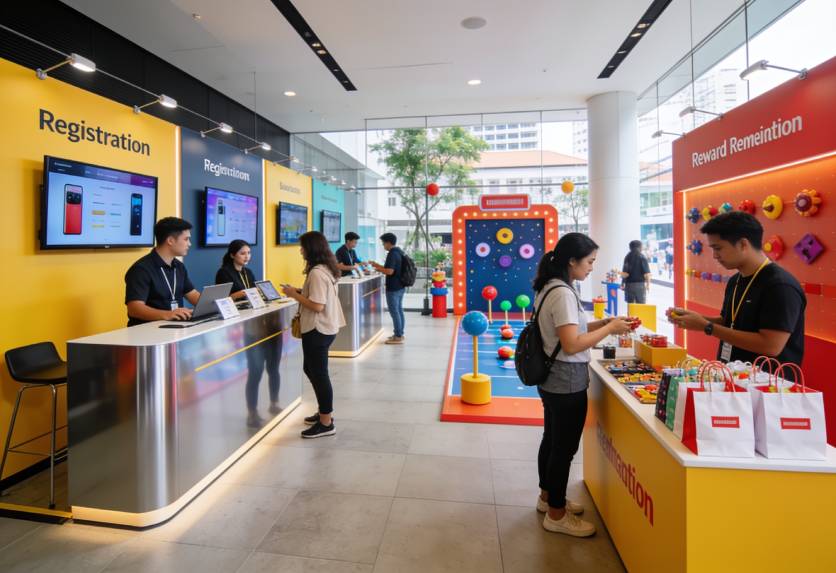
Campaign flow should consider where customers wait, how long each activity takes, and whether the queue blocks the entrance or nearby displays. The agency may need to simplify the activity, create multiple participation stations, or separate registration from reward redemption.
Customers are more willing to wait when they understand the process and can see that the queue is moving.
Clear signs, promoter guidance, and visible activity stages can make waiting feel more organised. For busy campaigns, the team may also introduce express participation options or QR registration before customers reach the main activity.
Layout Influences How Customers Move Through the Activation
The physical arrangement of counters, screens, product displays, activities, and redemption areas has a direct impact on campaign flow.
If the main attraction is placed too close to the entrance, crowds may block new visitors. If product information is placed after the exit, customers may never see it. If registration and reward collection happen at the same counter, queues may become unnecessarily slow.
A good layout considers customer direction, visibility, space, accessibility, and promoter movement.
The activation agency should also think about what happens during busy and quiet periods. The space must remain functional even when customer traffic changes throughout the day.
Campaign Flow Helps Customers Remember the Brand
A smooth experience can improve brand recall because customers are more likely to understand the story behind the campaign.
Each stage should reinforce the same message. The visuals, activity, product interaction, promoter conversation, and reward should feel connected.
For example, if a campaign promotes convenience, the participation journey should also feel quick and easy. If the brand wants to communicate innovation, the experience may include interactive technology or a personalised digital activity.
When the journey reflects the brand promise, customers are more likely to remember both the experience and the company behind it.
The Final Action Should Be Easy to Complete
Every activation should guide customers towards a clear next step.
This may include trying a product, registering for an offer, downloading an app, making an enquiry, visiting a store, completing a survey, or following the brand online.
The final action should not feel separate from the rest of the campaign. It should be presented as a natural conclusion to the experience.
For example, after completing a product quiz, the customer may receive a personalised recommendation and scan a QR code to claim an offer. After a product trial, the promoter may guide the customer towards a nearby retail counter.
If the final step is too difficult, customers may enjoy the campaign but fail to take the action the brand intended.
Reward Redemption Should Not Create a Bottleneck
Rewards can encourage participation, but they must be managed carefully.
A poorly planned redemption area may create long queues, stock confusion, or customers leaving without receiving their gift. The campaign team should know where rewards are stored, how eligibility is confirmed, and what happens when stock runs low.
Digital redemption, pre-packed gifts, separate collection counters, or clear redemption rules can help keep the flow moving.
The reward should also connect with the activity. It should feel like the completion of the campaign journey rather than an unrelated giveaway.
Campaign Flow Should Work for Different Types of Visitors
Not every customer will engage in the same way.
Some visitors may be ready to participate immediately, while others may want to observe first. Some may be interested in detailed product information, while others prefer a quick experience.
A flexible campaign flow allows visitors to engage at different levels without becoming confused.
For example, the activation may offer a short product demonstration for casual visitors and a longer consultation for customers with stronger interest. Promoters can guide each person towards the most suitable path.
This helps the campaign serve a wider audience without forcing everyone through the exact same journey.
Mobile and Multi-Location Campaigns Need Consistent Flow
Campaign flow becomes even more important when the activation runs across several locations.
Different spaces may have different layouts, entrance directions, power access, or customer traffic patterns. The agency may need to adapt the setup while maintaining a consistent experience.
A mobile event truck, Kombi van, or roadshow setup should still follow the same core journey, even if the physical environment changes.
Customers in each location should receive a similar brand message, activity process, and level of service. Consistency helps brands compare campaign performance and maintain quality across the full roadshow.
Testing the Flow Before Launch Prevents Problems
Campaign flow should be tested before the activation opens.
The agency and event team can walk through the experience as if they were customers. This helps identify unclear instructions, awkward movement, long participation times, blocked displays, or steps that do not connect properly.
Testing should cover:
- The entrance and first interaction
- Activity instructions
- Registration or QR scanning
- Product demonstration
- Reward redemption
- Queue positioning
- Exit direction
- Equipment and promoter readiness
A full rehearsal also helps promoters understand how to guide customers and respond when the campaign becomes busy.
Live Observation Helps Improve the Campaign
Even with careful planning, customer behaviour may differ from expectations.
The on-site team should observe where customers hesitate, which parts attract the most attention, and where queues begin to form. Small adjustments can improve the experience during the campaign.
Promoters may need to change how they introduce the activity. Signage may need to be repositioned. A registration step may need to be simplified. The reward counter may need additional support during peak periods.
A capable activation agency responds to these observations quickly instead of following the original plan without adjustment.
How the Best Activation Agency in Singapore Plans Campaign Flow
The best activation agency in Singapore does not treat campaign flow as an afterthought.
It should be considered during the early planning stage alongside the objective, target audience, location, activity, and setup design.
The agency should ask practical questions such as:
How will customers notice the campaign? What will encourage them to enter? How long will participation take? Where will promoters stand? How will queues be managed? What happens after the activity? How will customers leave without blocking the entrance?
These questions help the agency design a campaign that is visually appealing and operationally effective.
Conclusion
Campaign flow matters because it shapes the entire customer experience.
A clear journey helps visitors understand the activation, participate more easily, interact with the brand, and complete the intended action. It also supports promoter performance, queue management, product education, lead generation, and brand recall.
An experienced activation agency in Singapore plans the flow from the customer’s perspective, not only from the layout or production point of view.
When each stage connects naturally, the campaign becomes easier to manage and more meaningful for the audience. That is one of the key differences between a basic event setup and a well-planned brand activation.