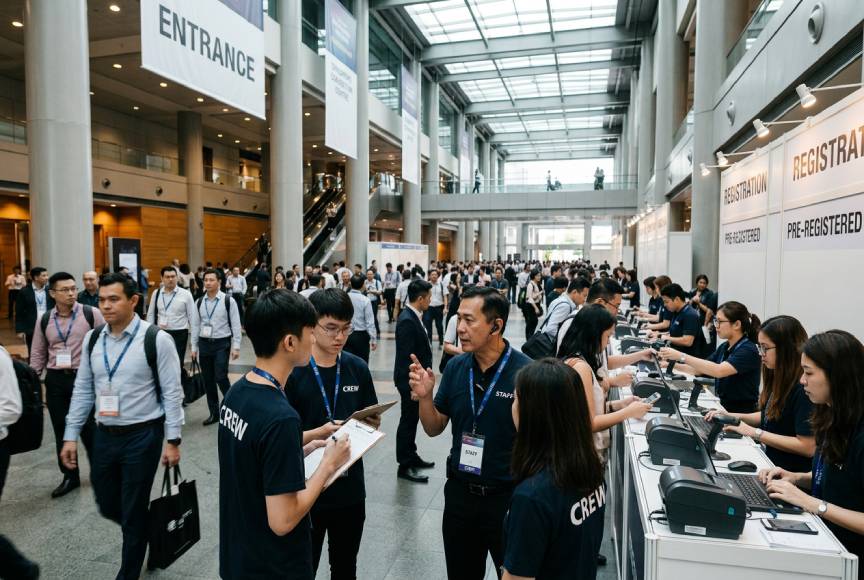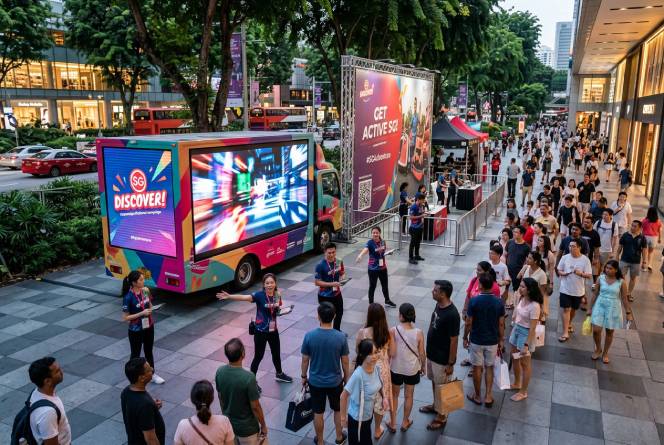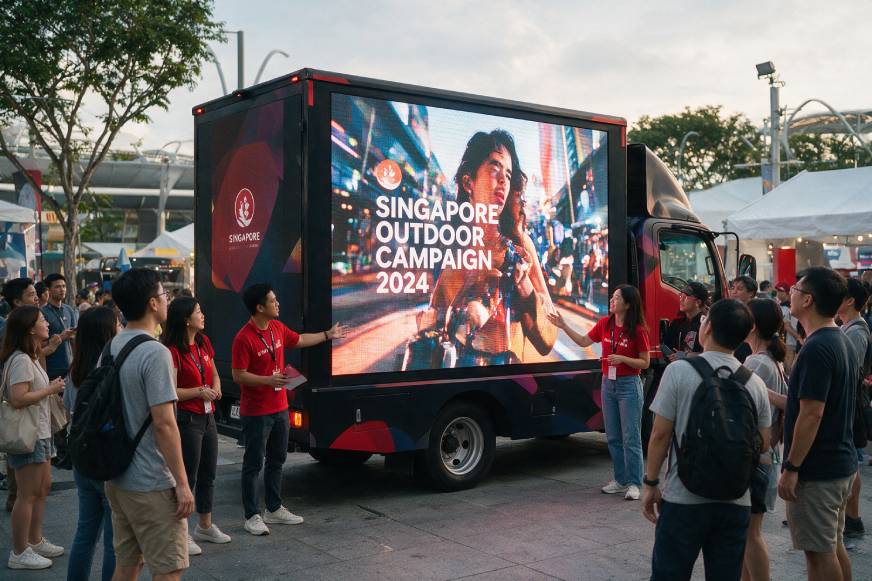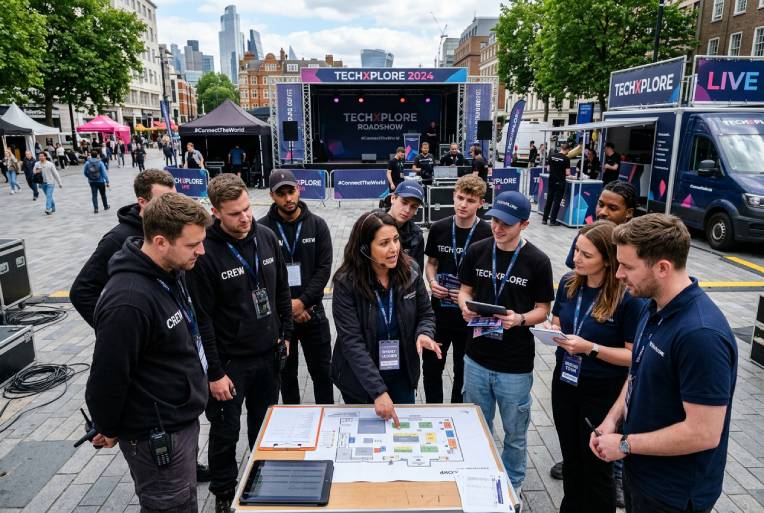
A successful event campaign depends on more than a good idea, attractive booth, or busy location. Behind every smooth roadshow, product launch, retail activation, or on-ground campaign, there are many people working together.
The brand team, event agency, promoters, vendors, designers, logistics crew, venue contacts, and on-site supervisors may all be involved in the same campaign. If everyone understands their role clearly, the event is easier to manage. If responsibilities are unclear, even a simple campaign can become confusing.
This is why clear roles and responsibilities matter. An experienced event agency in Singapore helps coordinate the different parties so the campaign can move from planning to execution with fewer delays, fewer mistakes, and better customer experience.
Why Role Clarity Is Important in Event Campaigns
Event campaigns are live experiences. Once the campaign begins, customers can immediately see whether the team is organised or unsure.
When roles are clearly defined, everyone knows what they need to do, who they report to, and how decisions should be made. This helps the campaign run more smoothly before, during, and after the event.
Without role clarity, common problems may happen. Promoters may not know who to ask for stock. Vendors may wait for approval from the wrong person. The brand team may assume the agency is handling something that was never confirmed. Small gaps like these can affect setup timing, customer flow, and campaign quality.
Clear responsibility protects the campaign from unnecessary confusion.
The Brand Team Sets the Campaign Direction
The brand team usually owns the campaign objective. They understand the product, target audience, brand guidelines, promotion details, and business goals.
Their role is to provide the event agency with clear information, timely approvals, and accurate campaign materials. This may include product details, logos, key visuals, brand messages, legal requirements, promotional terms, and internal expectations.
The brand team does not need to manage every operational detail. However, they need to define what success looks like. For example, the campaign may aim to build awareness, collect leads, encourage trials, support a product launch, or increase customer engagement.
When the brand direction is clear, the agency can recommend a more suitable campaign format and execution plan.
The Event Agency Connects Strategy with Execution
The event agency plays the role of campaign coordinator and execution partner.
A good agency does not only receive instructions and set up materials. It helps translate the brand’s campaign objective into a practical on-ground plan. This may include recommending the event format, planning the customer journey, arranging vendors, coordinating manpower, managing logistics, and supervising the live campaign.
For example, if a brand wants to run a product sampling campaign, the agency may need to plan the booth layout, sampling flow, promoter briefing, stock handling, hygiene process, customer engagement method, and feedback collection.
This coordination role is one of the reasons brands work with an experienced Event Agency In Singapore instead of managing every detail internally.
Vendors and Suppliers Need Clear Deliverables
Vendors and suppliers may support different parts of the event campaign, such as printing, booth production, audio-visual equipment, transport, digital screens, interactive games, vehicle rental, or photography.
Each vendor needs to know exactly what they are responsible for, when the work must be completed, and who will approve the final output.
Unclear deliverables can cause production mistakes. For example, artwork may be printed in the wrong size, equipment may arrive without the correct cables, or a display counter may not match the approved layout.
The event agency helps reduce these issues by preparing clear specifications, timelines, and coordination points. This keeps vendors aligned with the campaign requirements.
Promoters Represent the Brand on the Ground
Promoters and brand ambassadors are often the people customers interact with first. Their role is not only to distribute samples or invite participation. They also explain the campaign, introduce the product, answer questions, guide customers, and create a positive impression.
Because promoters represent the brand directly, their responsibilities should be clearly explained before the campaign starts.
They should understand:
- The campaign message
- The product or service being promoted
- The correct customer approach
- The activity or redemption process
- Frequently asked questions
- What to do when they need support
When promoters are well briefed, the campaign feels more professional and consistent. Customers are more likely to trust the brand when the people representing it sound prepared and confident.
On-Site Supervisors Keep the Campaign Organised
An on-site supervisor helps ensure that the campaign runs according to plan.
This person may check promoter attendance, monitor customer flow, manage stock levels, communicate with venue contacts, solve small issues, and update the agency or brand team when needed.
The supervisor is important because live campaigns can change quickly. Customer traffic may be higher than expected, a queue may form, equipment may need adjustment, or campaign materials may run low.
Having a clear on-site lead prevents confusion. Instead of everyone making separate decisions, the supervisor helps coordinate the team and keep the campaign moving smoothly.
Venue Contacts and Location Rules Should Be Clearly Managed
Many event campaigns happen in malls, retail spaces, outdoor areas, business districts, or shared public environments. Each location may have its own rules for loading, setup timing, power usage, display placement, customer flow, and teardown.
If no one is responsible for venue coordination, the campaign may face delays or restrictions on the day itself.
The event agency usually helps communicate with venue contacts and ensures the setup follows the agreed requirements. This is especially important for roadshows, mobile event spaces, product launches, and retail activations where timing and space limitations can affect the whole campaign.
Clear venue coordination helps avoid last-minute surprises.
Clear Communication Reduces Approval Delays
Event campaigns often require several rounds of approval. Booth designs, artwork, campaign messages, digital forms, activity mechanics, promoter scripts, and production materials may all need to be reviewed.
If the approval process is unclear, the timeline can slow down. The agency may not know who has final approval, the brand team may receive too many versions, or production may be delayed because feedback comes too late.
Clear roles help avoid this. The campaign should identify who approves creative work, who confirms budget, who checks legal terms, who approves the final setup, and who manages urgent decisions.
A smooth approval process gives the team more time to focus on quality execution instead of last-minute corrections.
Role Clarity Improves Customer Experience
Customers may not know how many people are involved behind the scenes, but they can feel the result.
When roles are clear, the campaign looks more organised. Promoters know where to guide visitors. Product displays are replenished. Queues are managed properly. Digital activities work smoothly. Rewards are distributed correctly. Questions are answered with confidence.
When roles are unclear, customers may receive mixed instructions, wait longer than necessary, or leave without completing the intended action.
A well-managed team creates a better customer experience. This helps the brand appear more reliable, professional, and trustworthy.
Clear Responsibilities Help During Unexpected Issues
Even with good planning, live campaigns may face unexpected problems.
A delivery may be delayed. A screen may stop working. A promoter may fall sick. Product samples may run out faster than expected. Weather may affect an outdoor setup. A venue may request a layout adjustment.
When responsibilities are clear, the team can respond faster. Everyone knows who should contact the vendor, who should inform the brand, who should manage the customer queue, and who should make the final decision.
This prevents small issues from becoming larger disruptions.
Reporting Becomes Easier When Roles Are Defined
After the campaign, brands often need to review results. This may include customer interactions, leads collected, QR scans, product samples distributed, survey responses, sales enquiries, promoter feedback, and campaign photos.
If roles were clear during the campaign, reporting becomes easier. Promoters know what to record. Supervisors know what to observe. The agency knows what to compile. The brand team receives more useful information.
Clear reporting helps brands understand what worked well and what should be improved in future campaigns.
Why the Right Event Agency Matters
The right event agency in Singapore helps brands manage the people, processes, and responsibilities behind a campaign.
This is especially useful when a campaign involves multiple vendors, several locations, mobile event formats, interactive technology, product sampling, or many approval stages.
A reliable agency helps define responsibilities early, brief the right people, coordinate communication, manage on-site execution, and support post-campaign reporting.
This allows the brand team to focus on the bigger campaign objective while the agency manages the operational details needed to deliver a professional live experience.
Conclusion
Clear roles and responsibilities are essential for event campaign success. They help every team member understand what to do, when to act, who to report to, and how to support the campaign objective.
From the brand team and event agency to vendors, promoters, supervisors, and venue contacts, each role affects the final customer experience.
An experienced event agency in Singapore helps bring these roles together so the campaign can run more smoothly, communicate more clearly, and respond better when challenges appear.
When everyone knows their responsibility, the event campaign becomes easier to manage and more professional for customers to experience.