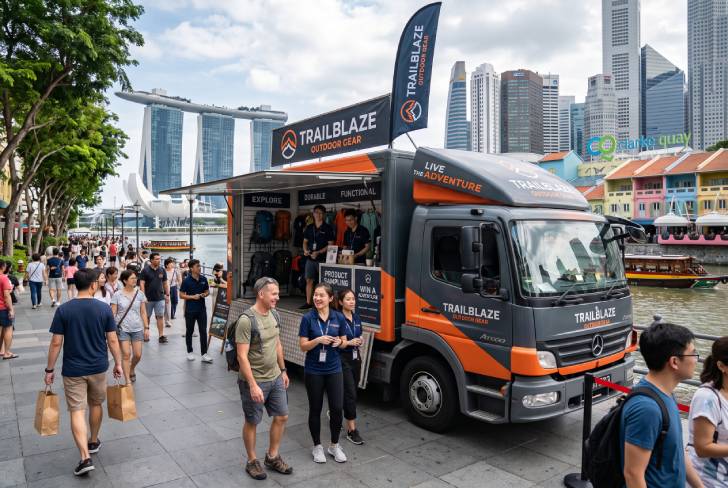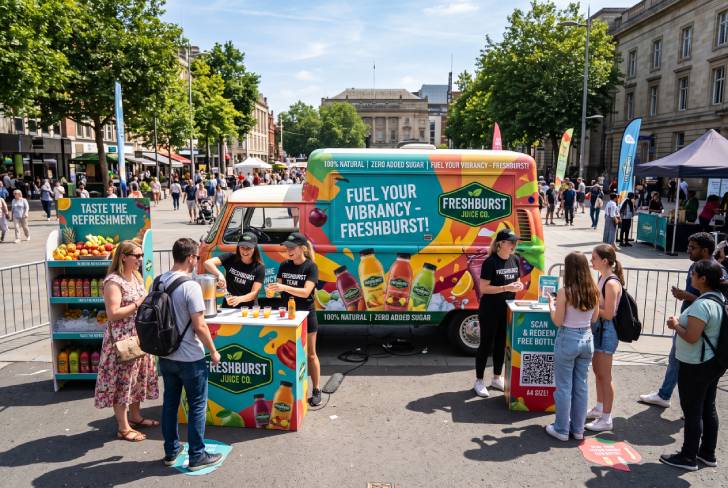
An event truck can give a brand campaign stronger visibility, mobility, and a more memorable on-ground presence. However, renting the truck alone does not guarantee strong campaign results.
To make event truck rental in Singapore work harder for your brand, the truck should be planned as more than a vehicle. It should function as a branded campaign space that attracts attention, supports customer interaction, and guides people toward a clear next step.
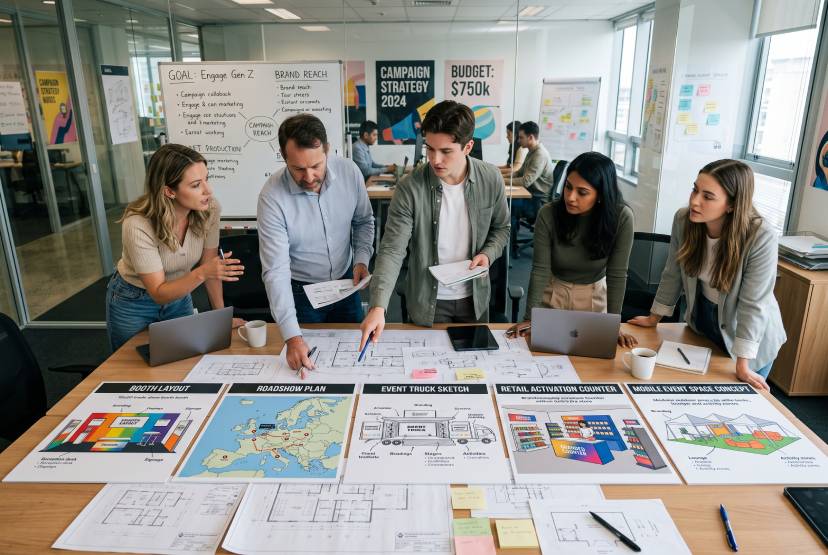
A good event truck campaign combines visibility, message, layout, promoters, product experience, digital touchpoints, and follow-up action. When these elements work together, the truck becomes a stronger part of the customer journey.
Start with a Clear Campaign Objective
Before planning the truck setup, the brand should be clear about the campaign objective.
Is the goal to create brand awareness, launch a product, distribute samples, collect leads, encourage QR redemption, drive store visits, or support sales enquiries?
The objective affects how the event truck should be used. A sampling campaign may need a clear serving counter and stock area. A product launch may need stronger exterior branding and display space. A lead collection campaign may need a simple QR journey and promoter support.
The truck should support the campaign goal, not just act as decoration.
Use the Truck Exterior as a Visibility Tool
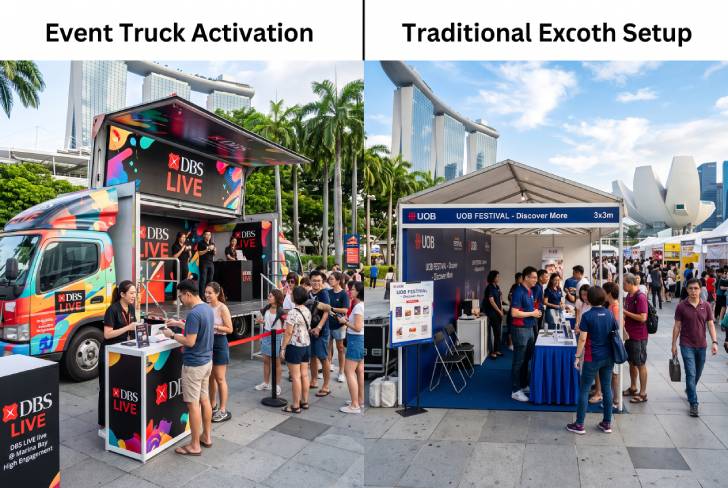
One of the biggest advantages of an event truck is its exterior presence.
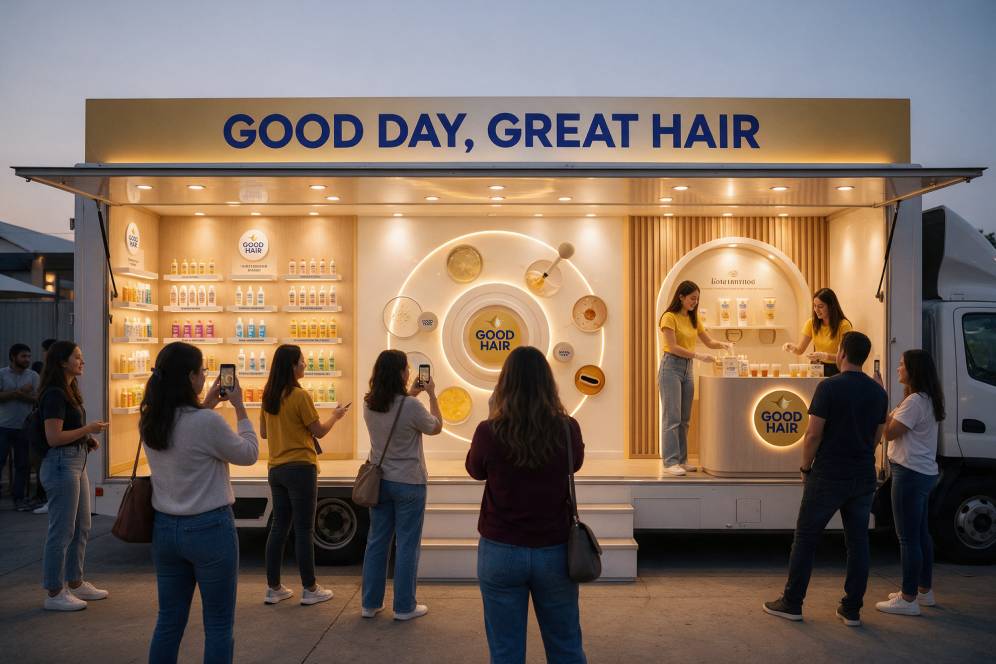
The truck can carry campaign colours, product visuals, brand messages, promotional graphics, and directional cues. This helps customers notice the campaign from a distance before they even reach the activation area.
However, the exterior design should not be too crowded. Customers should be able to understand the campaign quickly. A strong headline, clear product image, and simple call-to-action can work better than too many messages.
The first job of the truck is to attract attention. The second job is to make people curious enough to approach.
Make the Main Message Easy to Understand
A campaign truck may look impressive, but if the message is unclear, customers may still walk past.
The main message should answer three simple questions:
- What is this campaign about?
- Why should customers care?
- What should they do next?
For example, if the campaign is about a new drink, the message may focus on tasting the product. If it is about a service, the message may focus on a quick consultation or QR offer.
A clear message helps customers understand the campaign without needing a long explanation.
Plan the Customer Entry Point
Customers should know where to approach the truck.
The entry point should be visible, open, and easy to access. If customers are unsure where to stand or who to speak to, they may hesitate to join.
Promoter positioning is also important. A promoter should be placed near the entry point to welcome customers and explain the first step.
A good entry point makes the campaign feel approachable instead of confusing.
Build the Setup Around Customer Flow
Customer flow can affect how smoothly the campaign runs.
Customers should move naturally from noticing the truck to joining the activity, trying the product, scanning a QR code, redeeming a reward, and leaving with a clear next step.
If too many actions happen in the same spot, the area may become crowded. If the flow is too spread out, customers may lose interest.
A simple customer flow helps the event truck campaign feel more organised, especially during busy periods.
Keep the First Step Simple
The first step should be easy, such as trying a sample, watching a demo, or scanning a QR code for a benefit.
Avoid Blocking the Truck Front
The front-facing campaign area should remain open enough for new customers to notice and approach.
Turn Product Display into Product Understanding
Product display is more than placing items on a counter.
The display should help customers understand what the product is, how it works, and why it matters. This can be done through clear product arrangement, simple labels, comparison points, demo units, or promoter explanations.
If the product display is messy or hidden, customers may not understand the campaign value. If it is clear and easy to view, it can become a strong conversation starter.
A good product display helps turn attention into interest.
Add an Activity That Supports the Brand Message
An event truck campaign becomes stronger when customers have something to do.
This activity may be a sampling session, product demo, game, quiz, photo moment, consultation, QR redemption, or short challenge. The activity should be easy to join and connected to the campaign message.
A random activity may attract people, but it may not help them remember the brand. A useful activity should support product understanding, customer confidence, or the next action.
Engagement should always connect back to the campaign objective.
Use Promoters to Guide the Experience
Promoters help turn the truck from a visual setup into a real customer experience.
They can invite customers, explain the product, manage queues, guide QR scanning, handle sampling, answer questions, and encourage the next step.
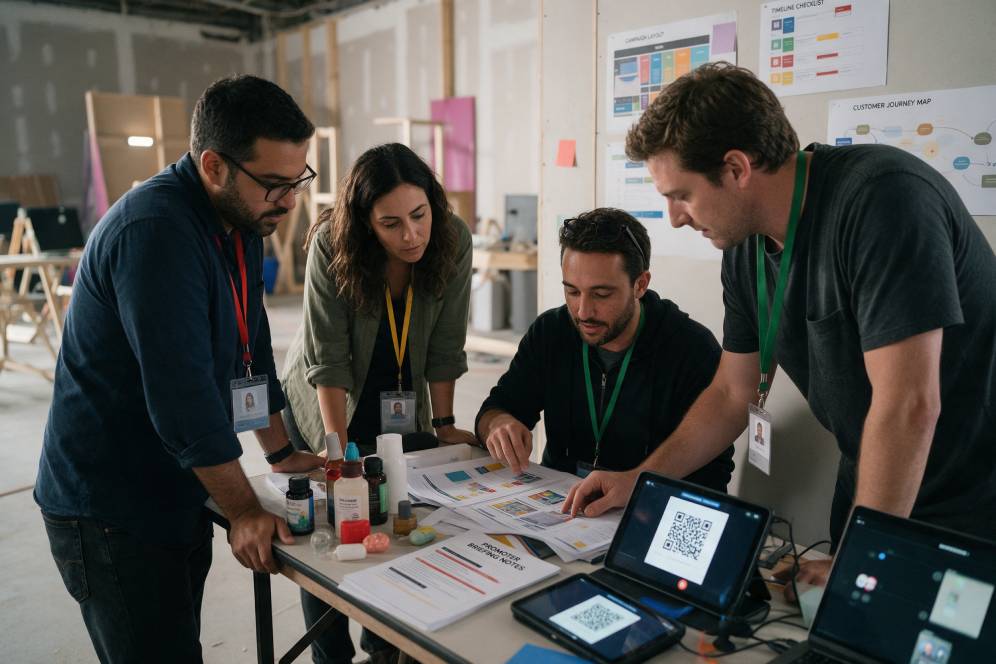
Before the campaign starts, promoters should understand the product benefit, activity flow, reward rules, QR process, and final call-to-action.
A well-briefed promoter team helps the campaign feel more human, organised, and trustworthy.
Make QR Codes and Digital Touchpoints Useful
Digital touchpoints can help extend the campaign beyond the event truck.
These may include QR codes, landing pages, online forms, digital vouchers, WhatsApp enquiries, social media pages, or customer surveys.
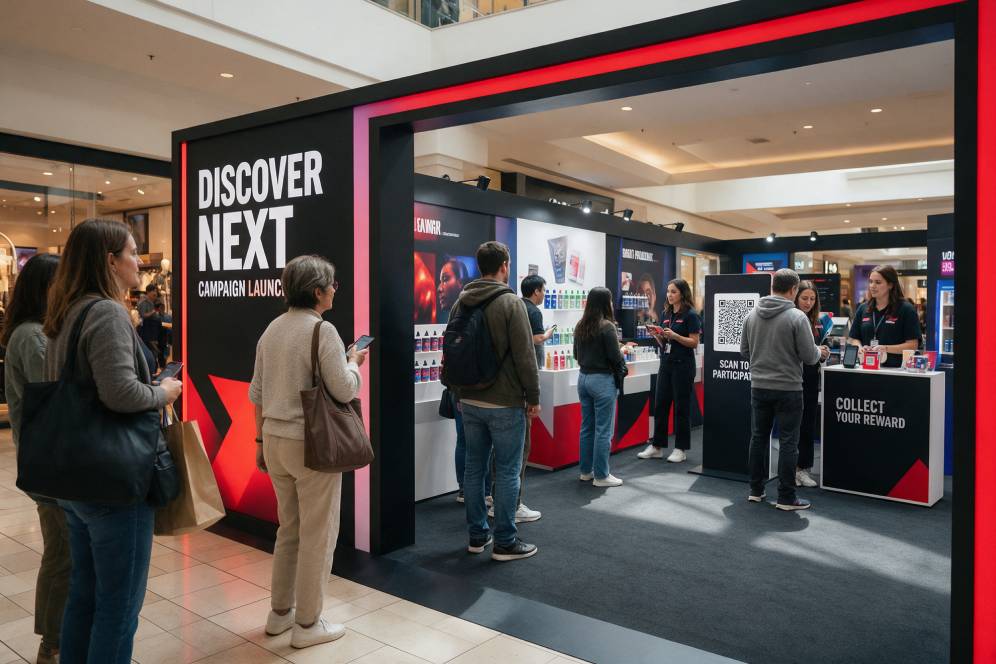
However, digital touchpoints should be simple and meaningful. Customers should know why they are scanning. For example, “Scan to Redeem Your Voucher” is clearer than “Scan Here.”
A useful QR journey can help turn event visitors into leads, followers, enquiries, or returning customers.
Prepare Rewards That Match the Campaign
Rewards can motivate customers to participate, but they should match the campaign goal.
A product sample can encourage trial. A voucher can support future purchase. A product guide can help customers understand usage. A consultation offer can lead to deeper enquiry.
If the reward feels unrelated, customers may only remember the free gift, not the brand.
Relevant rewards help make the customer interaction more meaningful.
Choose Locations That Fit the Audience
Event truck rental works better when the location matches the target audience.
A campaign aimed at office workers may perform better near business areas. A lifestyle product may fit weekend crowds or community events. A family product may work better near family-friendly locations.
The location should support both visibility and customer participation. Brands should also consider space, traffic flow, access, timing, safety, and venue requirements.
A strong location strategy helps the truck reach the right people, not just more people.
Plan for Follow-Up After the Campaign
A strong campaign should not end when customers leave the truck.
Follow-up can happen through digital vouchers, WhatsApp enquiries, email sign-ups, social media retargeting, landing pages, or post-campaign offers.
The follow-up step should be connected to the customer’s action during the event. If they tried a product, the next step may be a purchase voucher. If they asked questions, the next step may be a consultation or enquiry.
Follow-up helps brands extend the value of the event truck rental beyond campaign day.
Why the Right Event Partner Matters
A reliable event partner can help brands plan the truck setup, branding, customer flow, product display, promoter briefing, digital touchpoints, location suitability, reward redemption, and follow-up action.
This support helps ensure the truck is not only visually attractive, but also practical for real customer engagement.
For roadshows, product launches, sampling campaigns, mobile event spaces, and interactive brand experiences, proper planning can make the event truck work harder for the campaign.
Conclusion
Event truck rental can be a strong choice for brands that want visibility, mobility, and a more memorable campaign presence.
However, the truck must be planned properly. A good campaign needs a clear objective, strong exterior branding, simple message, smooth customer flow, useful product display, engaging activity, trained promoters, digital touchpoints, relevant rewards, and follow-up action.
When event truck rental in Singapore is planned around customer experience, the truck becomes more than a branded vehicle. It becomes a mobile campaign space that helps customers notice, engage, remember, and take the next step.