A brand activation does not only become successful on campaign day. Much of the real work happens before the first customer arrives.
Before the setup is installed, before promoters start inviting customers, and before the first QR code is scanned, many decisions need to be made. The campaign objective, customer journey, location, setup, activity, product message, promoter briefing, digital touchpoints, and follow-up plan all need to work together.
This is where an activation agency in Singapore can be useful before the campaign even starts. A good agency helps brands turn an idea into a practical on-ground plan that is easier to execute and easier for customers to understand.
Clarifying the Campaign Objective
One of the first ways an activation agency helps is by clarifying the campaign objective.
A brand may want to increase awareness, introduce a product, collect leads, distribute samples, encourage voucher redemption, drive store visits, or support sales enquiries. Each objective affects how the campaign should be planned.
A clear campaign objective helps every decision become more focused. It guides the message, setup, activity, manpower, digital tools, and final call-to-action.
Without this clarity, the campaign may look active but fail to produce meaningful results.
Understanding the Target Audience
A campaign should be planned around the people it wants to reach.
Before the campaign starts, an activation agency can help brands think about the target audience’s behaviour, needs, questions, and level of interest. This affects the campaign location, tone, activity style, and promoter approach.
For example, office workers may prefer a quick and direct interaction. Families may respond better to simple activities and easy rewards. Shoppers may need product comparisons or promoter recommendations before taking the next step.
The more clearly the audience is understood, the easier it is to design an activation they will want to join.
Choosing the Right Campaign Format
Not every campaign needs the same format.
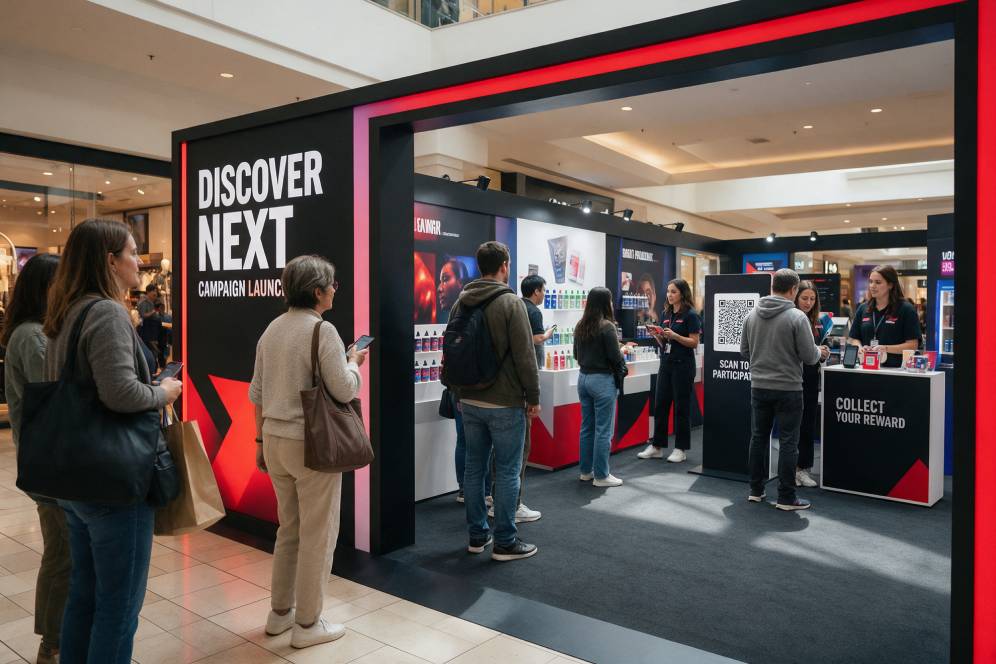
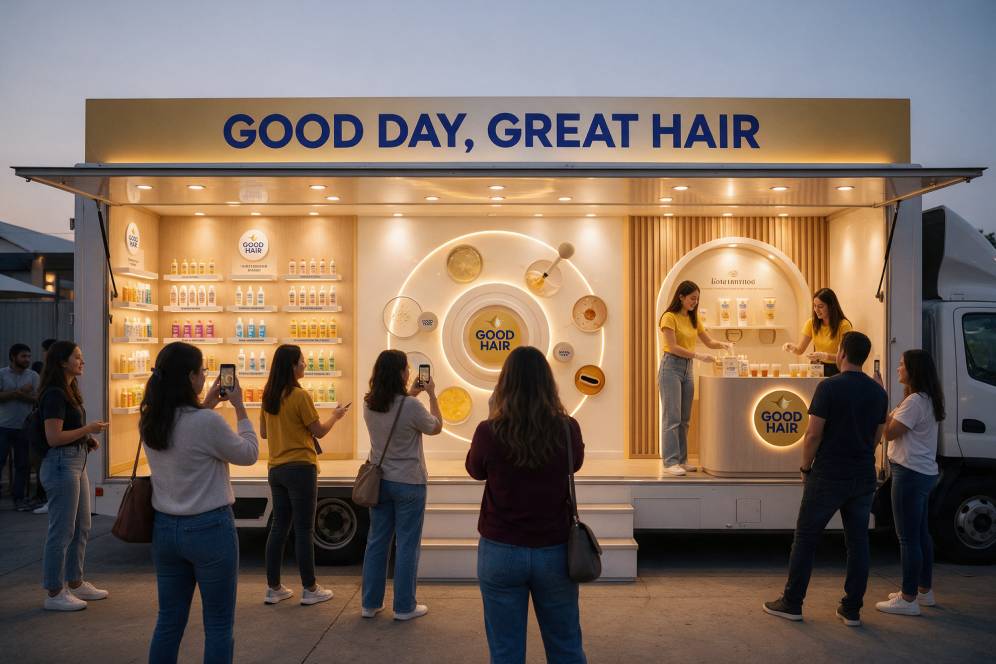
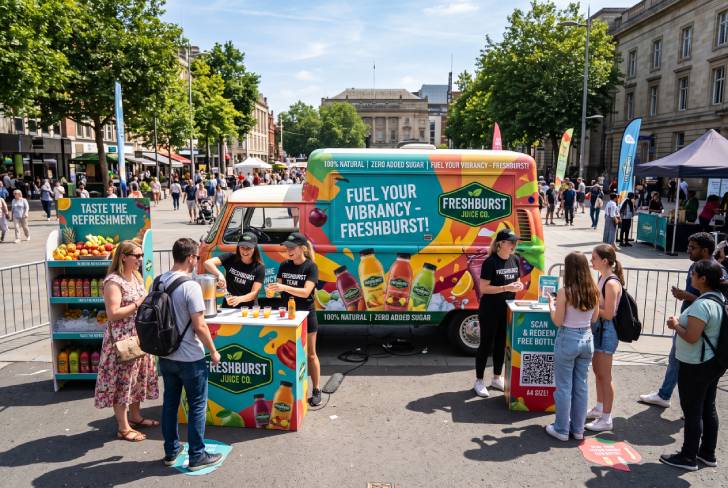
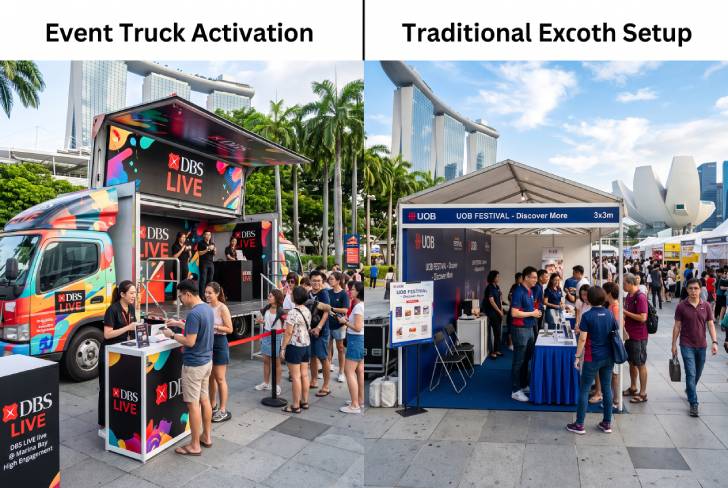
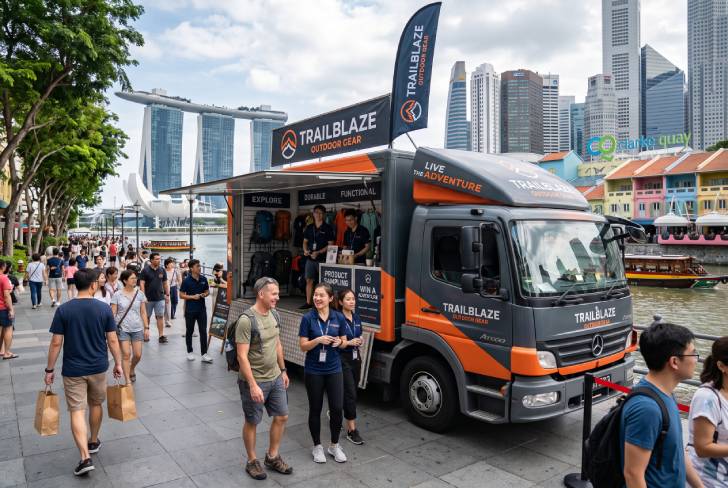
Some campaigns work well with a roadshow booth. Others may need a mobile event space, event truck, retail activation counter, product demo area, or sampling station.
An activation agency can help brands choose a setup based on the campaign objective, location, audience behaviour, budget, product type, and customer journey.
The right campaign format should not only look good. It should support visibility, customer interaction, product explanation, and final action.
Planning the Customer Journey
A strong activation should guide customers from first attention to final action.
Before the campaign starts, the agency can map out the customer journey clearly. Customers should know where to start, what to do, where to try the product, where to scan, where to redeem, and what happens next.
If this journey is unclear, customers may drop off halfway. They may notice the booth but not participate, join an activity but miss the product message, or scan a QR code without completing the next step.
A planned journey helps the campaign feel smoother and more organised.
Making the Campaign Message Clear
A campaign message should be simple enough for customers to understand quickly.
Many brands want to say too much in one activation. They may include product features, promotion details, brand stories, campaign mechanics, and multiple calls-to-action all at once.
An activation agency can help simplify the campaign message so customers know what the campaign is about and why they should participate.
What Customers Should Understand First
Customers should first understand the main product benefit and the action they can take.
What Can Be Explained Later
More detailed information can come through promoters, QR pages, brochures, demos, or follow-up messages.
A clear message makes the activation easier to notice and easier to join.
Designing the Setup Around Real Customer Flow
A setup may look good in a proposal, but it also needs to work in a real event space.
Before campaign day, the agency should consider customer flow, entry points, activity zones, queue areas, product display, QR scanning, reward redemption, and exit direction.
If too many things happen in one tight area, the campaign may feel crowded. If the entry point is not clear, customers may hesitate. If the QR code is placed in the wrong area, customers may miss it.
Good planning helps the setup work better when real customers arrive.
Preparing Promoter Briefing
Promoters are often the people who turn campaign interest into customer action.
Before the campaign begins, promoters should understand the product, campaign objective, activity flow, reward rules, customer approach, QR process, and final call-to-action.
A proper promoter briefing helps the team communicate consistently. It also helps promoters feel more confident when answering questions or guiding customers.
Without proper briefing, even a good campaign idea can feel disorganised on-site.
Checking Digital Touchpoints Early
Digital touchpoints should be tested before the campaign goes live.
These may include QR codes, landing pages, online forms, digital vouchers, app download links, WhatsApp enquiries, customer surveys, or social media pages.
Customers may lose interest quickly if a QR code opens the wrong page, a form is too long, or a voucher process is unclear. Testing these touchpoints early helps prevent avoidable problems during the live campaign.
Digital tools should make the campaign easier, not slower or more confusing.
Planning Stock, Rewards, and Backup Items
Operational details can affect the campaign more than many brands expect.
Before the campaign starts, the team should check product samples, brochures, testers, rewards, display tools, devices, chargers, printed QR codes, cleaning supplies, and backup items.
Reward planning is also important. The reward should support the campaign objective instead of feeling random. A product sample, voucher, product guide, or consultation offer can help customers continue the relationship with the brand.
Good preparation reduces last-minute stress and helps the campaign run more smoothly.
Identifying Possible On-Site Issues
A useful activation agency does not only plan what should happen. It also considers what could go wrong.
This may include bad weather, slow internet, limited space, missing stock, crowding, unclear queue flow, promoter confusion, power issues, or venue restrictions.
By identifying these issues early, the team can prepare backup plans. This helps reduce disruption when the campaign is live.
Good planning makes the activation feel more professional and reliable.
Connecting the Campaign to Follow-Up
A brand activation should not end when customers leave the event space.
Before the campaign starts, brands should plan how to follow up with interested customers. This may include digital vouchers, WhatsApp enquiries, email sign-ups, social media engagement, landing pages, retargeting, or post-campaign offers.
The follow-up should connect naturally to the action customers took during the campaign. If they tried a product, the next step could be a purchase offer. If they asked questions, the next step could be an enquiry or consultation.
Follow-up planning helps extend the value of the activation beyond campaign day.
Why Early Planning Matters
A campaign can look simple from the outside, but many moving parts need to be aligned before it starts.
A reliable activation agency in Singapore helps brands prepare the campaign objective, target audience, campaign format, customer journey, message, setup, promoter briefing, digital touchpoints, rewards, stock, backup plans, and follow-up action.
This early planning helps the live campaign feel clearer, smoother, and more effective.
For roadshows, product launches, sampling campaigns, retail activations, mobile event spaces, event truck campaigns, and interactive brand experiences, preparation often makes the difference between a campaign that only looks good and a campaign that works well.
Conclusion
An activation agency is useful before the campaign even starts because it helps brands plan the details that shape the customer experience.
From campaign objective and audience understanding to customer flow, promoter briefing, digital touchpoints, rewards, backup planning, and follow-up, early preparation helps avoid confusion and improve campaign quality.
Working with an experienced activation agency in Singapore can help brands turn a campaign idea into a clear, practical, and customer-friendly activation.
When the planning is strong before campaign day, the live activation becomes easier to manage, easier for customers to join, and more meaningful for the brand.