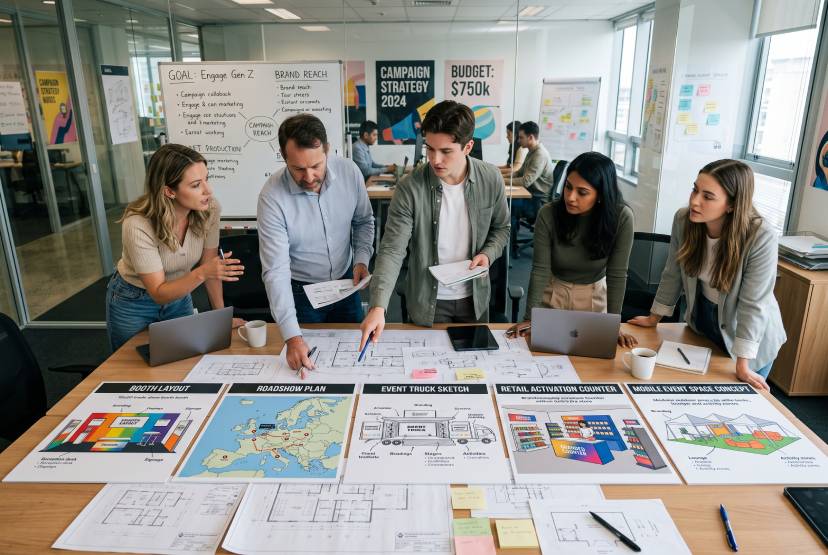
Choosing the right campaign setup is an important part of event planning. A campaign may have a strong idea, attractive visuals, and a clear message, but if the setup does not fit the objective, location, or customer behaviour, the results may not be as strong as expected.
Some campaigns work better with a compact booth. Some need a larger roadshow space. Others may benefit from a mobile event space, event truck, retail activation counter, or product demonstration area.
An experienced event agency in Singapore helps brands choose the setup that best supports the campaign goal. The right setup should not only look good. It should help customers notice the campaign, understand the message, join the experience, and take the next step.
Start with the Campaign Objective
Before choosing a setup, brands should be clear about what the campaign needs to achieve.
The objective may be brand awareness, product trial, lead collection, customer education, product launch, retail traffic, voucher redemption, or sales enquiries. Each goal may need a different setup.
For example, if the campaign focuses on product trial, the setup should make sampling or demonstrations easy. If the goal is lead collection, the setup should include a clear QR or registration area. If the goal is awareness, the setup may need stronger visibility and branding.
The campaign objective should guide the setup, not the other way around.
Match the Setup to Customer Behaviour
A good campaign setup should match how customers behave in the event location.
Customers in a mall may slow down only if the setup is open and easy to approach. Customers in a business district may prefer quick interaction during short breaks. Customers in a retail store may need product comparison and promoter recommendations.
An event agency can help brands think about how customers will move, stop, look, ask questions, and participate.
The best setup is not always the biggest one. It is the one that makes participation feel natural for the target audience.
Choose a Setup That Fits the Location
The location affects what type of campaign setup will work best.
A small retail area may need a compact activation counter. A mall atrium may allow a larger roadshow booth. An outdoor area may benefit from a mobile event space or event truck. A store campaign may need a setup that supports product discovery without blocking shoppers.
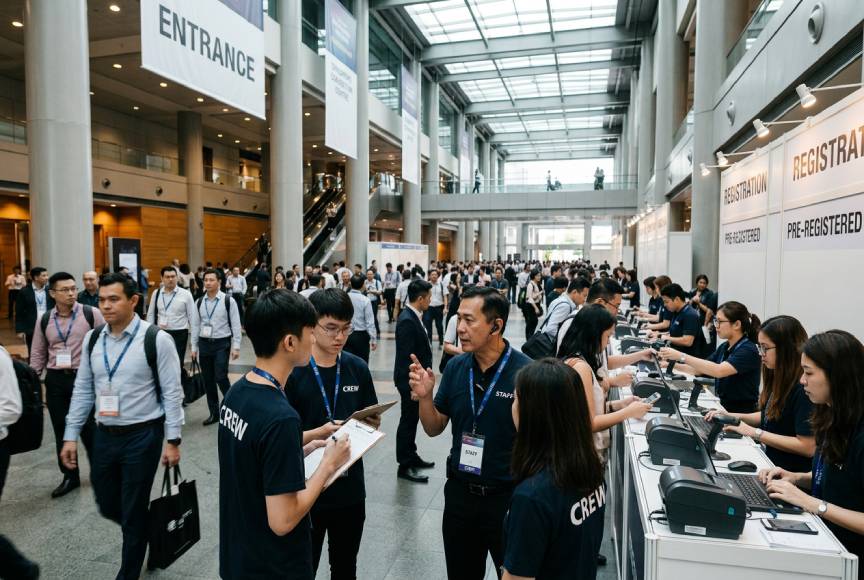
The setup must also consider space limits, traffic direction, venue rules, power supply, safety, storage, and crowd movement.
A reliable event agency in Singapore helps brands choose a campaign setup that works practically on-site, not only in a proposal.
Understand the Different Campaign Setup Options
Different setups serve different campaign needs. Choosing the right one helps the campaign feel more organised and effective.
Roadshow Booth
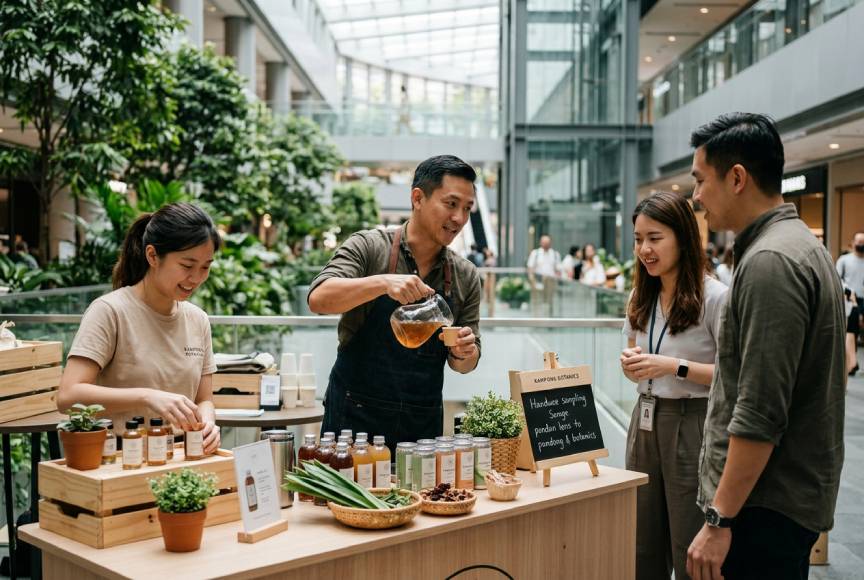
A roadshow booth works well for brand awareness, product trials, games, QR registrations, and face-to-face engagement in high-traffic areas.
Mobile Event Space
A mobile event space is useful when the campaign needs flexibility, movement across locations, or a more unique customer experience.
Event Truck
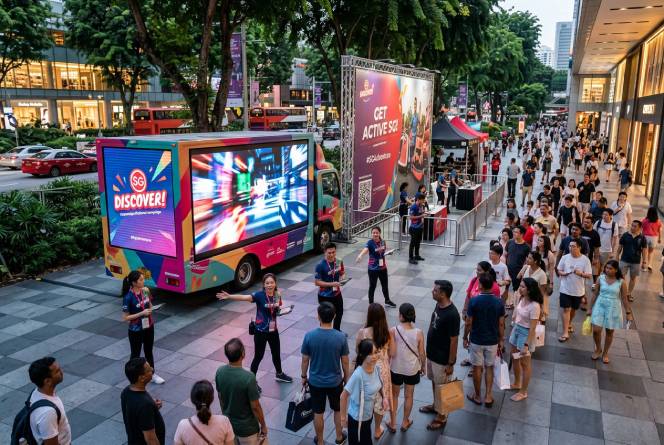
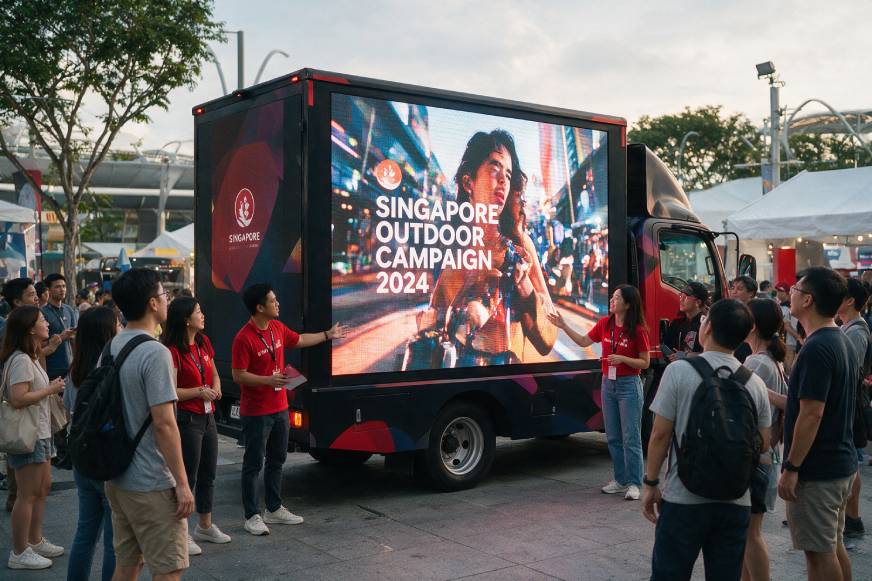
An event truck can help brands create stronger visibility and bring the campaign to different areas. It can work well for outdoor activations, product launches, sampling campaigns, and mobile roadshows.
Retail Activation Counter
A retail activation counter works well when the campaign happens near the point of purchase. It can support product comparison, promoter recommendations, and customer decision-making.
Each setup has its own strengths, so the choice should depend on the campaign goal and customer journey.
Plan the Customer Journey Around the Setup
A setup should guide customers from first attention to final action.
Customers should know where to start, where to view the product, where to join the activity, where to scan, and where to redeem rewards. If the setup looks attractive but the customer journey is unclear, people may feel confused and leave early.
A simple customer journey may look like this:
- Notice the campaign
- Approach the entry point
- Speak to a promoter
- Try or experience the product
- Scan a QR code
- Redeem a reward
- Take the next step
This journey should be easy to follow within the chosen setup.
Make the Main Message Easy to See
The campaign setup should support the main message.
If the message is hidden, too small, or surrounded by too many visuals, customers may not understand the campaign quickly. The most important message should be visible from the customer’s natural walking direction.
This may include the campaign headline, product benefit, offer, activity instruction, or call-to-action.
A good setup uses signage, product displays, promoter positioning, and activity zones to make the message easy to understand. When customers understand the message quickly, they are more likely to engage.
Consider Promoter Roles and Movement
Promoters need space to work properly.
If the setup is too crowded, promoters may block customers or struggle to guide the campaign flow. If promoters are placed too far from the entry point, customers may not know who to speak to.
The setup should support clear promoter roles. One promoter may welcome customers, another may explain the product, another may manage QR scanning, and another may handle reward redemption.
Even for smaller campaigns, promoter positioning matters because it affects how comfortable customers feel when approaching the campaign.
Check If the Setup Supports Interaction
A campaign setup should not only be visually attractive. It should also support real customer interaction.
If the campaign includes product trials, demos, games, consultations, or sampling, the setup should provide enough space for customers to participate comfortably.
For example, a product demo area should allow customers to watch clearly. A sampling station should support hygiene and smooth distribution. A QR registration area should allow customers to scan without blocking others.
A good setup makes interaction feel easy, not forced.
Use Digital Touchpoints Properly
Many campaign setups include digital touchpoints such as QR codes, landing pages, digital vouchers, surveys, online forms, or interactive screens.
These tools should be placed where customers are ready to use them. If a QR code is hidden or placed too early in the journey, customers may ignore it. If it appears after the activity with a clear benefit, they may be more willing to scan.
Digital touchpoints should also be tested before the campaign begins. The page should load quickly, the form should be simple, and the reward or next step should be clear.
Balance Visibility with Practical Flow
A campaign setup should attract attention, but it also needs to work smoothly.
Large displays, props, or screens may improve visibility, but they should not block entry points, customer movement, or promoter access. A smaller setup may sometimes perform better if it is easier for customers to join.
The goal is to balance visual impact with practical customer flow.
A setup that looks impressive but feels difficult to use may not create strong engagement. A setup that is clear, open, and well organised can often produce better customer participation.
Why the Right Event Agency Matters
A reliable event agency in Singapore helps brands compare setup options based on campaign goals, location, audience behaviour, event format, customer journey, manpower, logistics, and digital requirements.
The agency can support booth planning, roadshow layout, mobile event spaces, event truck campaigns, retail activations, product displays, promoter briefing, customer flow, and post-campaign review.
This helps brands avoid choosing a setup only because it looks attractive. Instead, the setup is chosen because it supports the full campaign experience.
Conclusion
Choosing the right campaign setup matters because the setup affects how customers notice, understand, and join the campaign.
A good setup should match the campaign objective, location, audience behaviour, customer journey, promoter roles, digital touchpoints, and final call-to-action.
An experienced event agency in Singapore helps brands choose a setup that is not only visually strong, but also practical, customer-friendly, and aligned with real campaign goals.
When the setup supports both visibility and interaction, the campaign becomes easier to manage and more effective for customer engagement.