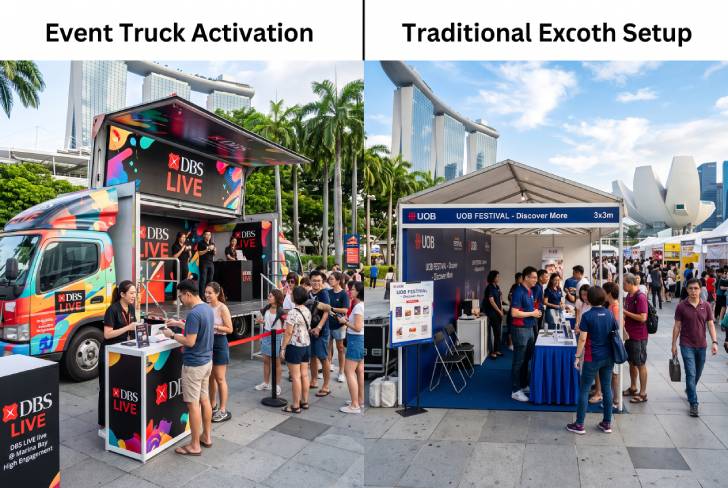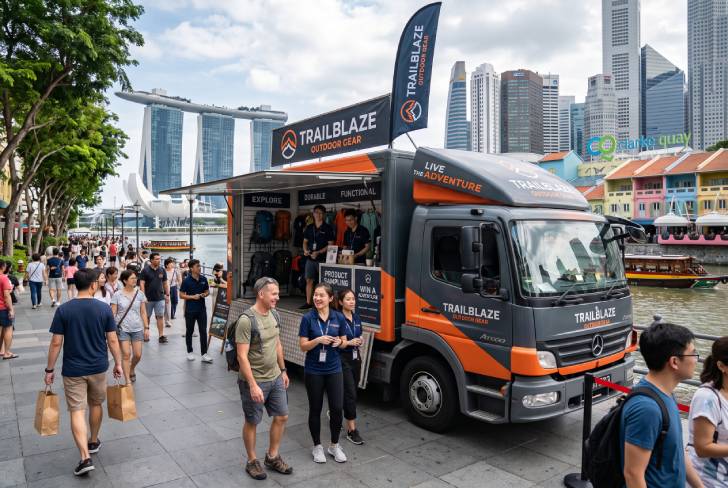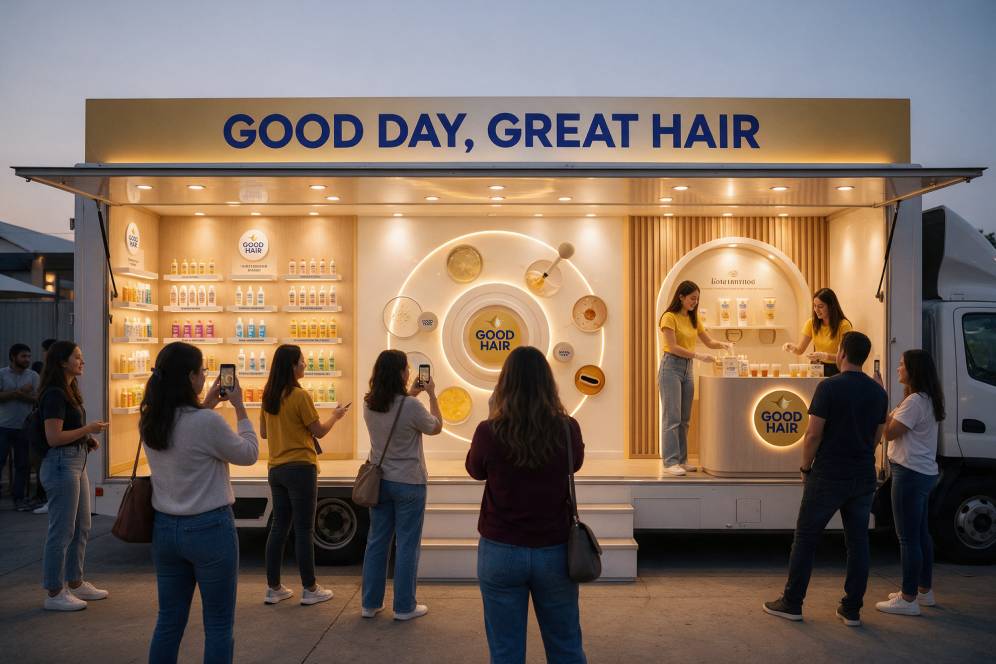
An event truck can attract attention quickly, especially when it appears in a busy outdoor area, roadshow location, or public campaign space. However, a truck by itself is not automatically a brand experience.
To make event truck rental in Singapore feel more meaningful, brands need to think beyond the vehicle. The truck should become a campaign space where customers can notice the brand, understand the message, interact with the product, and remember the experience after they leave.
A strong brand experience is not only about what customers see. It is also about what they do, how they feel, and what they take away from the campaign.
A Clear Brand Message
The first step is having a clear brand message.
Customers should understand what the campaign is about within a few seconds. If the truck exterior looks attractive but the message is unclear, people may look at it without knowing why they should approach.
The message should explain the main offer, product benefit, or campaign idea in a simple way. This can be shown through the truck wrap, signage, display panels, and promoter explanation.
A good brand experience starts with clarity. Customers should not need to guess what the campaign wants them to do.
Truck Branding That Feels Purposeful
Branding should not only place logos on the truck. It should help customers understand and remember the campaign.
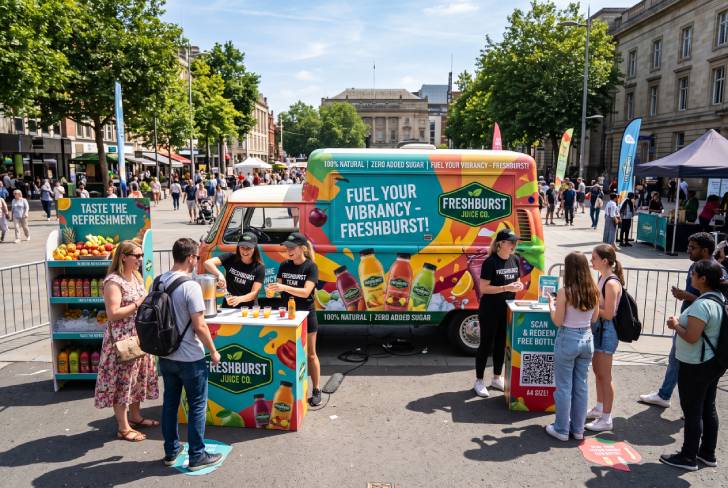
The truck exterior can show campaign colours, product visuals, key messages, lifestyle images, and call-to-action details. The design should feel connected to the campaign objective, not just decorative.
If the branding is too crowded, customers may not know where to focus. If it is too plain, the campaign may not feel memorable. A balanced design helps the truck stand out while keeping the message easy to understand.
The truck should look like a campaign space, not only a rented vehicle.
A Setup That Welcomes Customers
A brand experience should feel easy to approach.
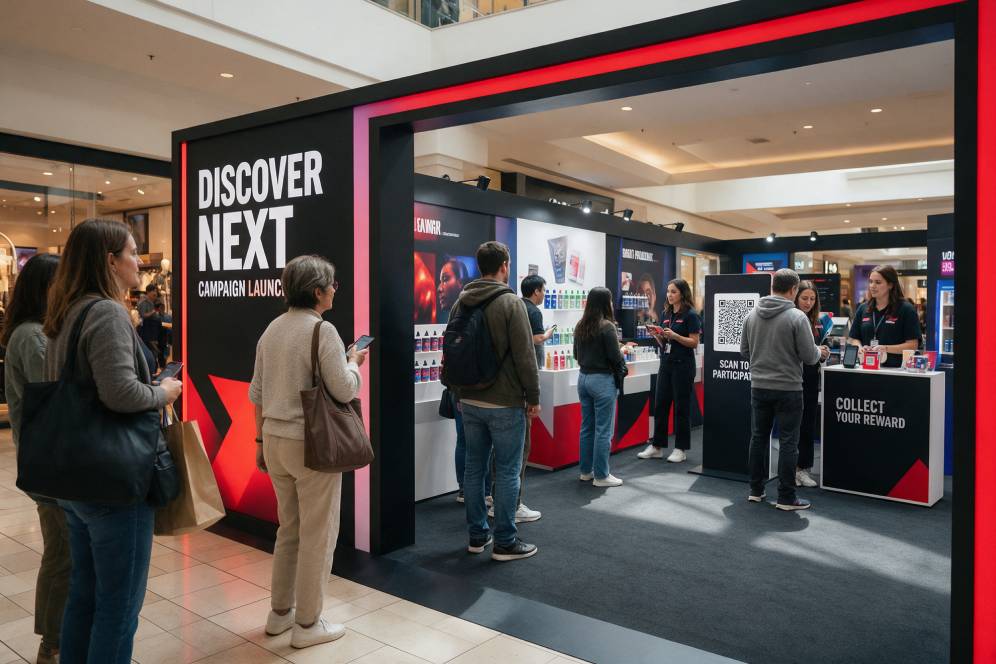
Customers may hesitate if they are unsure where to stand, who to speak to, or what to do first. The event truck setup should have a visible customer entry point, open space for interaction, and promoters positioned where they can guide visitors naturally.
The setup should also avoid blocking the main visual area. If customers gather in the wrong place or the queue becomes messy, new visitors may feel less comfortable joining.
A welcoming setup helps customers feel invited instead of confused.
Product Display That Tells a Story
Product display is an important part of the experience.
Instead of simply placing products on a counter, the display should help customers understand the product, its benefits, and how it fits into their lives.
For example, a beverage brand may display different flavours with tasting notes. A beauty brand may show product steps or skin concerns. A lifestyle brand may show how the product is used in a real situation.
A good product display can become a conversation starter. It gives promoters a natural way to explain the product and helps customers connect the product to their own needs.
Interaction That Feels Natural
A brand experience should give customers something meaningful to do.
This could be a sampling activity, product trial, mini game, consultation, photo moment, QR redemption, or live demonstration. The activity should be simple enough to join quickly and relevant enough to support the campaign message.
If the interaction feels random, customers may remember the activity but forget the brand. If it connects to the product benefit, customers are more likely to understand and remember the campaign.
The best interaction helps customers experience the brand, not just collect a free gift.
Promoters Who Guide the Experience
Promoters play a key role in making an event truck feel more personal.
They welcome customers, explain the campaign, introduce the product, manage the activity, answer questions, and guide the next step. Without strong promoter guidance, even a well-designed truck may feel passive.
Promoters should understand the campaign objective, product benefit, customer flow, reward rules, QR process, and final call-to-action. This helps them communicate clearly and consistently.
A friendly promoter can turn a quick visit into a more meaningful customer interaction.
A Smooth Customer Flow
Customer flow affects how comfortable the experience feels.
Customers should know where to start, where to view the product, where to join the activity, where to scan, where to redeem rewards, and where to exit. If the flow is unclear, customers may feel unsure or leave early.
A smooth customer flow helps the truck area feel organised, especially when the campaign becomes busy.
Keep the Entry Point Obvious
The first step should be clear from the customer’s walking direction.
Separate Activity and Redemption Areas
If space allows, separate the activity area from the reward collection point to reduce crowding.
When the flow is easy, customers can enjoy the experience without feeling lost.
Digital Touchpoints That Extend the Journey
A brand experience does not need to end when customers leave the truck.
Digital touchpoints such as QR codes, digital vouchers, WhatsApp enquiries, online forms, social media pages, customer surveys, and landing pages can help continue the journey.
However, these touchpoints should be useful and easy to complete. Customers should know what they will receive after scanning or registering.
For example, “Scan to Get Your Trial Voucher” is clearer than “Scan Here.” A simple digital journey can help turn event visitors into leads, followers, enquiries, or future customers.
Rewards That Match the Brand
Rewards can make the event truck more attractive, but they should match the campaign.
A product sample, voucher, product guide, consultation offer, or exclusive trial can support the brand experience better than a random giveaway.
The reward should help customers continue the relationship with the brand. If the reward is relevant, customers are more likely to remember why they participated.
A good reward gives customers a reason to engage and a reason to take the next step.
Atmosphere and Small Details
Small details can make the truck feel more like a complete brand experience.
Lighting, music, uniforms, product arrangement, signage quality, cleanliness, queue management, photo spots, and display props can all affect how customers feel.
These details do not need to be excessive. They simply need to support the brand image and make the campaign feel organised.
A polished atmosphere helps customers see the campaign as professional and trustworthy.
Why Planning Matters
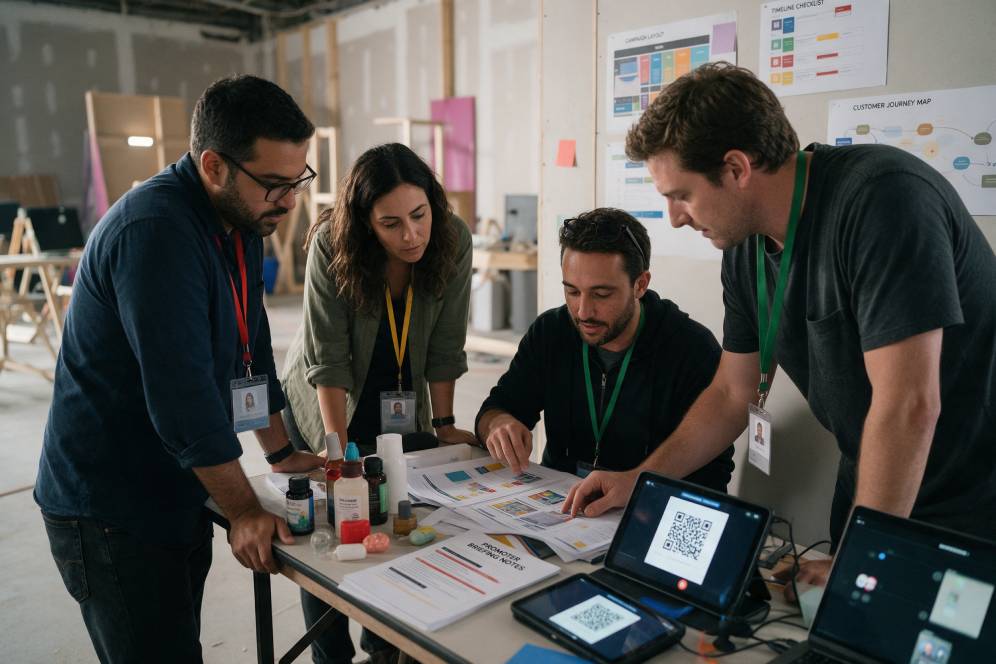
A strong event truck experience requires more than booking the truck and adding branding.
Brands need to plan the campaign message, layout, product display, customer flow, promoter briefing, digital touchpoints, rewards, location suitability, safety, and follow-up action.
This is why many brands work with an event partner who understands both visibility and engagement. Proper planning helps the truck become a meaningful campaign space instead of only a visual attraction.
For roadshows, product launches, sampling campaigns, mobile event spaces, and interactive brand experiences, the right planning can make the campaign feel more connected and memorable.
Conclusion
An event truck rental feels more like a brand experience when customers can clearly understand, approach, interact, and remember the campaign.
The truck should support a clear brand message, purposeful branding, welcoming setup, useful product display, natural interaction, trained promoters, smooth customer flow, digital touchpoints, relevant rewards, and a polished atmosphere.
When event truck rental in Singapore is planned around the customer experience, it becomes more than a vehicle. It becomes a mobile brand space that helps customers connect with the brand in a more meaningful way.