Product sampling is one of the simplest but most powerful ways to introduce a brand to customers. Instead of only telling people what your product can do, you allow them to experience it directly.
In a competitive market like Singapore, customers are constantly exposed to advertisements, online promotions, social media content, and retail messages. Many brands are fighting for the same attention. This makes trust harder to build and harder to keep.
A well-planned product sampling campaign can help solve this problem.
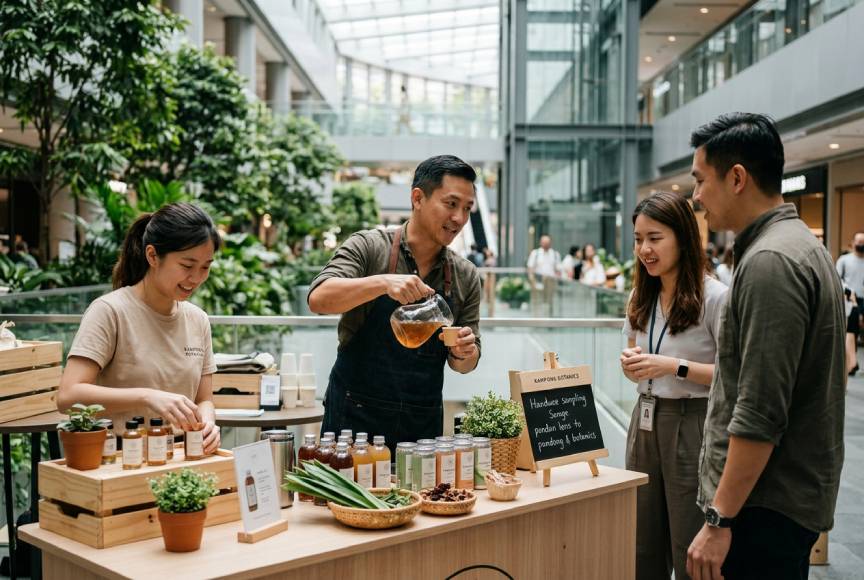
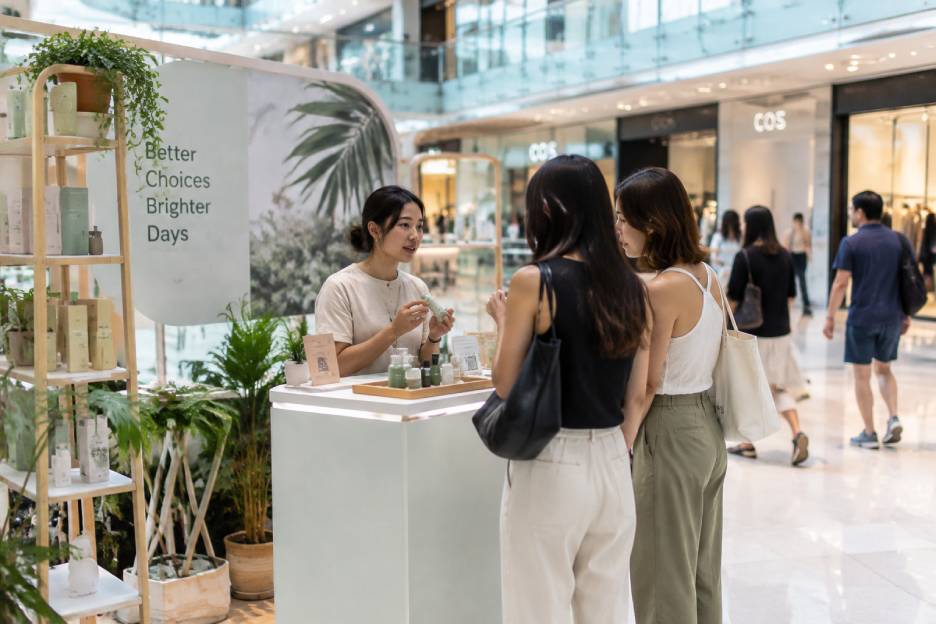
When customers can see, touch, taste, test, or experience a product in person, they are more likely to understand its value. This is why product sampling is often used as part of on-ground activation in Singapore, especially for brands that want to encourage product trial, collect feedback, build awareness, and create stronger customer engagement.
But successful product sampling is not just about giving out free samples. It needs strategy, location planning, clear messaging, trained promoters, and a smooth customer journey.
Here is how brands can use product sampling campaigns to turn simple trials into real brand trust.
What Is a Product Sampling Campaign?
A product sampling campaign is a marketing activity where brands allow customers to try a product before making a purchase decision.
This can happen in many settings, such as:
- Shopping malls
- Supermarkets
- Retail stores
- Roadshows
- Outdoor events
- Office areas
- Heartland locations
- Product launches
- Mobile event trucks
- Pop-up booths
- Community events
- Campus areas
Product sampling is commonly used for food and beverage products, beauty items, skincare, health products, household goods, lifestyle products, and new product launches.
The purpose is to reduce hesitation. When customers experience the product directly, they can judge the quality, benefits, taste, texture, function, or usefulness for themselves.
This creates a stronger impression than simply seeing an advertisement.
Why Product Sampling Still Works
Some people may think product sampling is old-fashioned, but it still works because it taps into a basic customer behaviour: people trust what they can experience.
Online ads can create awareness, but they cannot always create confidence. A product description may sound good, but customers may still wonder:
- Will this product suit me?
- Does it taste good?
- Does it feel premium?
- Does it work as promised?
- Is it worth buying?
- Is this brand reliable?
A product sample can answer these questions faster than a long advertisement.
Sampling works because it gives customers direct evidence. Instead of asking them to believe the brand, the campaign allows them to experience the product themselves.
That moment of experience can become the beginning of trust.
Product Sampling as Part of On-Ground Activation
Product sampling becomes more powerful when it is part of a larger on-ground activation strategy.
A basic sampling activity may only involve handing out free items. But a proper activation campaign can include product education, brand storytelling, customer feedback, lead collection, digital engagement, and sales follow-up.
For example, a sampling campaign may include:
- A branded booth or mobile setup
- Trained promoters
- Product demonstration
- QR code registration
- Instant survey
- Social media participation
- Discount redemption
- Digital game
- Lucky draw
- Product display
- Live explanation
- Follow-up offer
This turns a simple sample into a complete customer journey.
As part of on-ground activation in Singapore, product sampling helps brands create face-to-face engagement while collecting useful insights from real customers.
Benefits of Product Sampling Campaigns
A well-executed product sampling campaign can support several marketing goals.
1. It Encourages Product Trial
The most obvious benefit is product trial.
Many customers hesitate to buy something unfamiliar. Sampling removes that barrier by giving them a low-risk way to experience the product.
This is especially useful for:
- New product launches
- New flavours
- Premium products
- Beauty or skincare products
- Health and wellness products
- Food and beverage items
- Products that need sensory experience
- Brands entering a new market
Once customers try the product and like it, they are more likely to consider buying it.
2. It Builds Trust Through Real Experience
Trust is difficult to create through advertising alone.
Product sampling gives customers a direct experience with the product. If the experience is positive, the brand becomes more believable.
This is especially important for products where quality, taste, texture, smell, comfort, or performance matters.
A customer may ignore a claim like “smooth texture” or “great taste” in an ad. But when they experience it personally, the message becomes more convincing.
3. It Creates Immediate Customer Feedback
Product sampling allows brands to hear what customers think in real time.
Customers may comment on taste, packaging, price, usage, product benefits, or purchase interest. These insights can help brands improve future marketing, product positioning, or retail strategy.
Feedback can be collected through:
- Verbal comments
- Short surveys
- QR forms
- Rating cards
- Digital kiosks
- Promoter notes
- Social media responses
- Post-campaign follow-up
This makes sampling campaigns useful not only for promotion, but also for market learning.
4. It Supports Sales and Retail Conversion
Sampling can influence buying decisions, especially when the campaign happens near a retail outlet, supermarket, mall, or sales counter.
When customers try a product and receive a clear next step, they are more likely to take action.
Examples of conversion-focused actions include:
- Buy now at a nearby store
- Redeem a voucher
- Scan for a discount
- Register for an offer
- Try a product bundle
- Follow the brand for future promotions
- Speak with a sales representative
- Visit a website or landing page
The key is to connect the sampling moment with a simple next step.
5. It Makes the Brand More Memorable
Customers may forget online ads quickly, but they are more likely to remember a brand they experienced in person.
A sampling campaign becomes even more memorable when it includes strong visuals, friendly promoters, interactive activities, or a creative setup.
For example, a brand can improve recall by adding:
- Branded displays
- Photo opportunities
- Digital games
- LED screens
- Mobile event spaces
- Product education panels
- Unique packaging
- Social media moments
- Limited-time giveaways
This helps the campaign stand out from ordinary product distribution.
6. It Helps Brands Reach New Audiences
Product sampling allows brands to introduce themselves to people who may not have searched for them online.
By choosing the right location, brands can reach new audience groups in places where they already spend time.
For example:
- A health drink brand may target office workers during lunch hour
- A snack brand may target families at weekend mall events
- A beauty brand may target shoppers near retail counters
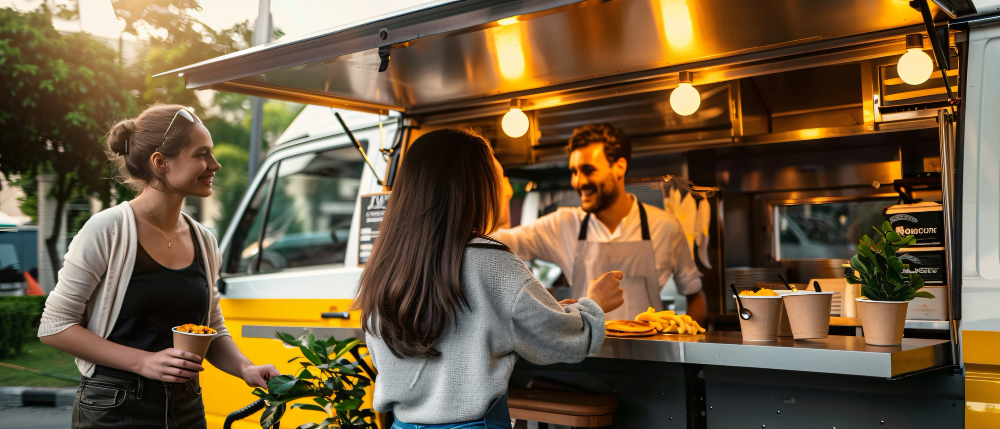
- A lifestyle brand may use a Kombi van for pop-up sampling
- A tech brand may combine sampling with product demos
This makes sampling useful for market entry, awareness building, and new product discovery.
How to Plan a Product Sampling Campaign in Singapore
Successful sampling requires more than distributing products. The campaign should be planned around the audience, location, message, and follow-up action.
1. Define the Sampling Objective
Start by deciding what the sampling campaign should achieve.
Your objective may be:
- Product awareness
- Product trial
- Customer feedback
- Retail sales support
- Lead generation
- Brand recall
- Product education
- Social media engagement
- New market testing
The objective will affect the campaign format.
For example, if your goal is product trial, the focus should be on sample distribution and explanation. If your goal is lead generation, the campaign should include QR registration or a simple data capture process.
2. Choose the Right Product Sample Format
Not all samples work the same way.
Depending on the product, you may need to consider:
- Sample size
- Packaging
- Hygiene requirements
- Storage conditions
- Demonstration needs
- Product handling
- Staff explanation
- Safety information
- Redemption method
- Take-home format
For food and beverage products, freshness and hygiene are important. For beauty products, testers, applicators, and usage instructions may be needed. For lifestyle products, a demonstration may be more useful than a physical sample.
The sample should be easy for customers to understand and experience.
3. Select the Right Location
Location can strongly affect sampling performance.
A busy place is not always the best place. The right location is where your target audience is most likely to be receptive.
Possible sampling locations include:
- Shopping malls
- Supermarkets
- Retail stores
- Business districts
- Roadshows
- Outdoor events
- Campuses
- Residential areas
- Community events
- Product launch venues
Brands should consider:
- Target audience fit
- Foot traffic quality
- Time of day
- Weekend or weekday behaviour
- Venue rules
- Product category suitability
- Queue and crowd flow
- Permission requirements
A good location makes it easier for promoters to approach customers and explain the product.
4. Train Promoters Properly
Promoters play a major role in product sampling campaigns.
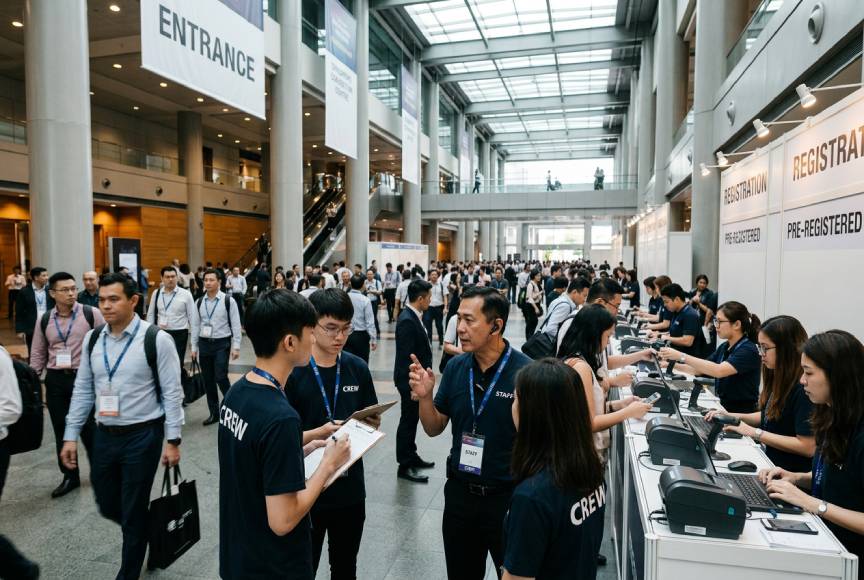
They should not only hand out samples. They should understand the product, explain the key benefits, answer questions, and guide customers toward the next step.
Promoters should be trained on:
- Product features
- Campaign message
- Customer approach
- Sampling procedure
- Hygiene requirements
- FAQ answers
- Promotion details
- Data collection process
- Sales or redemption flow
- Daily reporting
The way a promoter communicates can affect how customers perceive the brand.
A friendly and knowledgeable promoter helps build trust.
5. Create a Clear Customer Journey
A sampling campaign should have a simple flow.
For example:
- Customer notices the booth or mobile setup
- Promoter invites the customer to try the product
- Customer receives a short explanation
- Customer tries the sample
- Customer gives feedback or scans a QR code
- Customer receives an offer, voucher, or follow-up message
This flow should be easy and natural.
Avoid making customers fill out long forms before trying the sample. If the process feels too difficult, people may walk away.
6. Add Digital Engagement When Useful
Digital tools can make sampling campaigns more interactive and measurable.
Examples include:
- QR code registration
- Instant feedback forms
- Digital lucky draws
- Product education videos
- Social media sharing
- Interactive touchscreen panels
- Digital games
- Campaign landing pages
- Voucher redemption systems
Digital tools should support the campaign, not complicate it.
The goal is to make the customer experience smoother while giving the brand useful data.
7. Connect Sampling to a Next Step
A sampling campaign should not end after the customer tries the product.
There should be a clear next step.
This can include:
- Buy now
- Redeem a voucher
- Visit a nearby store
- Follow the brand online
- Scan for more information
- Register interest
- Join a contest
- Leave feedback
- Share on social media
- Receive a follow-up promotion
This next step helps turn trial into action.
Without it, the customer may enjoy the sample but forget the brand later.
Common Product Sampling Mistakes to Avoid
Product sampling can be effective, but only when it is planned properly.
Common mistakes include:
- Giving samples without explaining the product
- Choosing a location that does not match the audience
- Using promoters who are not properly trained
- Making customers fill in long forms before sampling
- Not preparing enough stock
- Poor hygiene or product handling
- Weak branding at the setup
- No clear call-to-action after sampling
- Not collecting feedback
- Not tracking campaign results
Avoiding these mistakes can help the campaign feel more professional and produce better results.
How to Measure Product Sampling Results
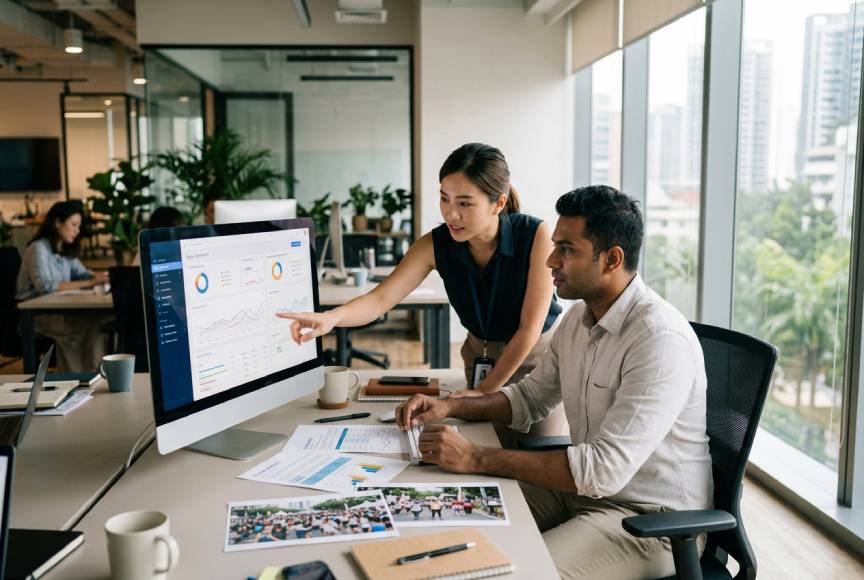
Brands should measure the results of a sampling campaign to understand its effectiveness.
Useful metrics include:
- Number of samples distributed
- Number of customer interactions
- Product feedback collected
- QR scans
- Survey completions
- Leads collected
- Voucher redemptions
- Sales enquiries
- Store visits
- Social media engagement
- Repeat purchase interest
- Customer comments
The best metrics depend on the campaign objective.
For example, if the goal is awareness, sample reach and interactions may matter most. If the goal is sales, voucher redemption and purchase action may be more important.
Where Mobile Event Spaces Fit into Sampling Campaigns
Mobile event spaces can make product sampling campaigns more visible and flexible.
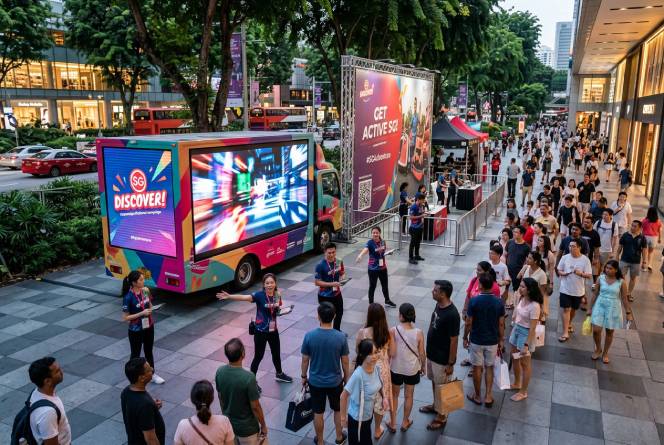
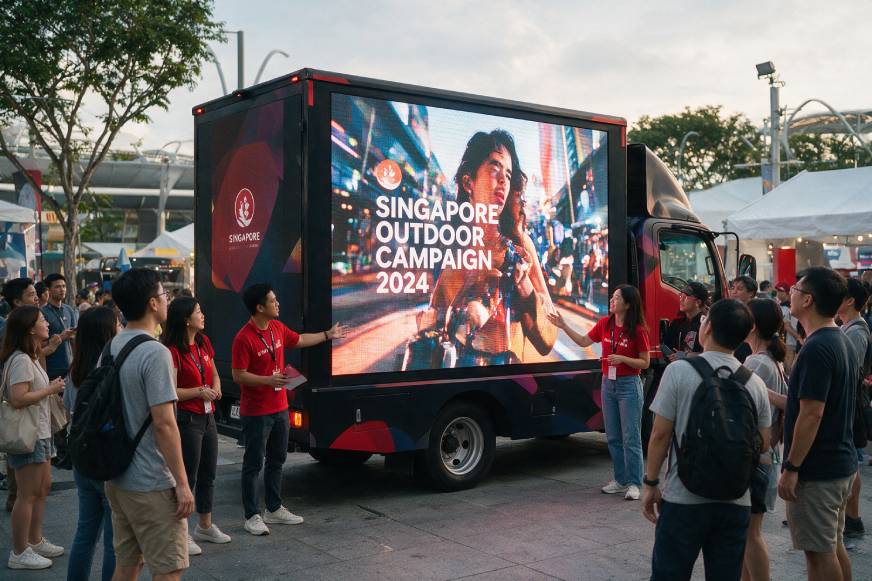
Instead of using only a table or booth, brands can use a mobile event truck, Kombi van, LED truck, or event bus to create a stronger presence.
Mobile event spaces are useful because they can:
- Attract attention from a distance
- Move between different locations
- Provide branded display space
- Support product demonstrations
- Create photo opportunities
- Include digital screens or interactive devices
- Offer storage and setup flexibility
- Turn sampling into a full brand experience
For example, a Kombi van may be suitable for a lifestyle sampling campaign, while a mobile event truck may work better for a larger product demonstration or roadshow.
This makes mobile vehicles useful for brands that want sampling to feel more memorable and campaign-driven.
Why Work with an Activation Agency in Singapore?
A product sampling campaign may seem simple, but the details matter.
Working with an experienced activation agency in Singapore can help brands plan the campaign more effectively.
An activation agency can support:
- Campaign strategy
- Sampling concept
- Location planning
- Promoter staffing
- Product demonstration flow
- Booth or mobile event setup
- Digital engagement tools
- QR registration
- Feedback collection
- Logistics coordination
- On-ground execution
- Campaign reporting
This helps brands create a sampling campaign that is not only active, but also structured and measurable.
How Unicom Marketing Supports Product Sampling Campaigns
Unicom Marketing supports brands with product sampling campaigns, roadshows, on-ground activation, mobile event spaces, retail entertainment, interactive digital tools, and event staffing in Singapore.
Our team helps brands create sampling experiences that attract attention, encourage trial, collect feedback, and support campaign objectives.
Whether you need a simple sampling activation, a mobile event truck setup, a Kombi van pop-up, or a full roadshow campaign, Unicom Marketing can help bring your brand closer to customers through real-world interaction.
Final Thoughts
Product sampling campaigns in Singapore remain effective because they give customers something advertising cannot fully provide: direct experience.
When people can try a product, ask questions, and interact with the brand, trust becomes easier to build.
However, successful sampling is not just about giving products away. It requires clear planning, the right audience, trained promoters, strong branding, simple engagement flow, and measurable follow-up.
For brands that want to increase awareness, encourage trial, collect feedback, and build stronger customer relationships, product sampling can be a valuable part of an on-ground activation strategy.
FAQ
What is a product sampling campaign?
A product sampling campaign allows customers to try a product before buying. It is commonly used for food, beverage, beauty, health, lifestyle, and new product launch campaigns.
Why is product sampling important?
Product sampling helps customers experience the product directly. This can build trust, reduce hesitation, encourage product trial, and support purchase decisions.
Where can product sampling campaigns be held in Singapore?
Product sampling campaigns can be held at malls, supermarkets, retail stores, business districts, roadshows, outdoor events, campuses, community areas, and mobile event spaces.
How can product sampling support on-ground activation?
Product sampling creates direct customer interaction. When combined with promoters, digital tools, surveys, roadshows, or mobile event spaces, it becomes a stronger on-ground activation campaign.
How do brands measure sampling campaign results?
Brands can measure samples distributed, customer interactions, feedback collected, QR scans, leads, voucher redemptions, sales enquiries, and social media engagement.