Launching a new product is an important moment for any brand. It is the stage where customers first see, experience, and form an opinion about what the product can offer. A strong launch can create awareness, generate trial, collect feedback, and build early interest. A weak launch, however, may make the product easy to overlook.
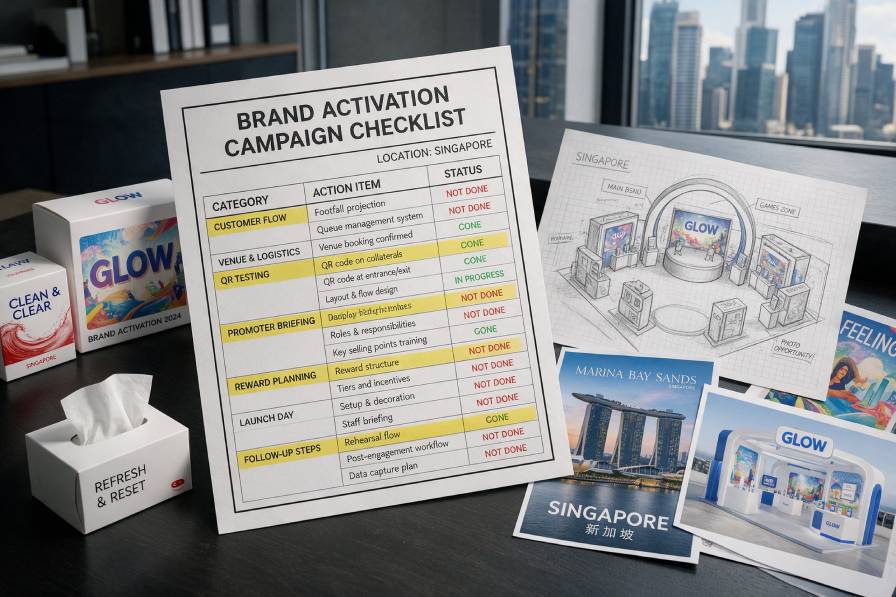
This is why many brands work with an event agency in Singapore when planning a product launch campaign. A launch is not only about announcing that a product is available. It is about creating a live experience that helps customers understand the product, interact with it, and remember the brand.
From concept planning to on-site execution, an event agency helps turn a product launch into a structured campaign that connects with the right audience.
Understanding the Product and Campaign Objective
Before recommending any event format, the agency needs to understand the product and what the launch should achieve.
Some launches focus on product awareness. Others aim to drive sampling, collect leads, educate customers, encourage retail visits, or create social media content. The launch objective will influence the setup, location, customer journey, manpower, and engagement activities.
For example, a food and beverage product may need sampling and customer feedback. A technology product may need live demonstrations. A lifestyle product may benefit from a photo-friendly pop-up experience. A service-based product may require consultation areas or QR registration.
A clear objective helps the event agency plan a campaign that supports business goals instead of creating a setup that only looks attractive.
Choosing the Right Launch Format
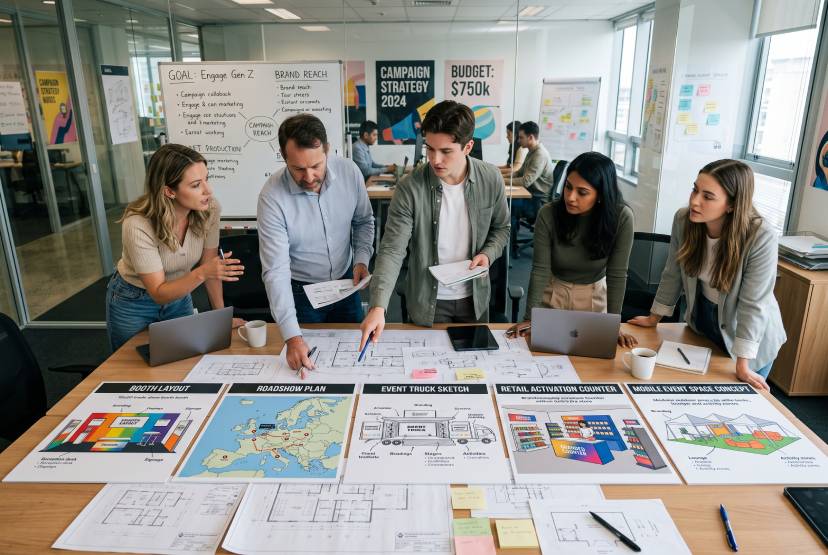
A product launch campaign can take many forms. The right format depends on the target audience, campaign message, budget, timeline, and location.
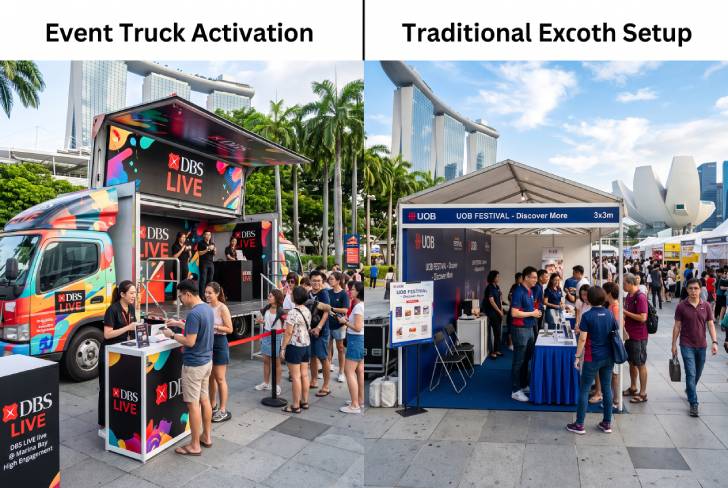
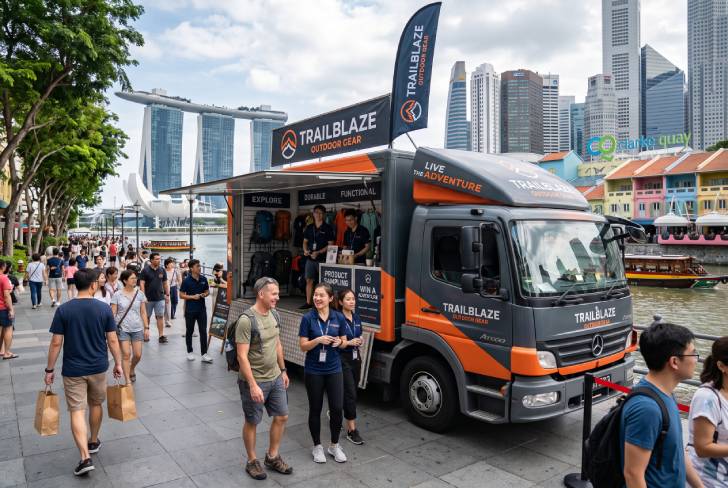
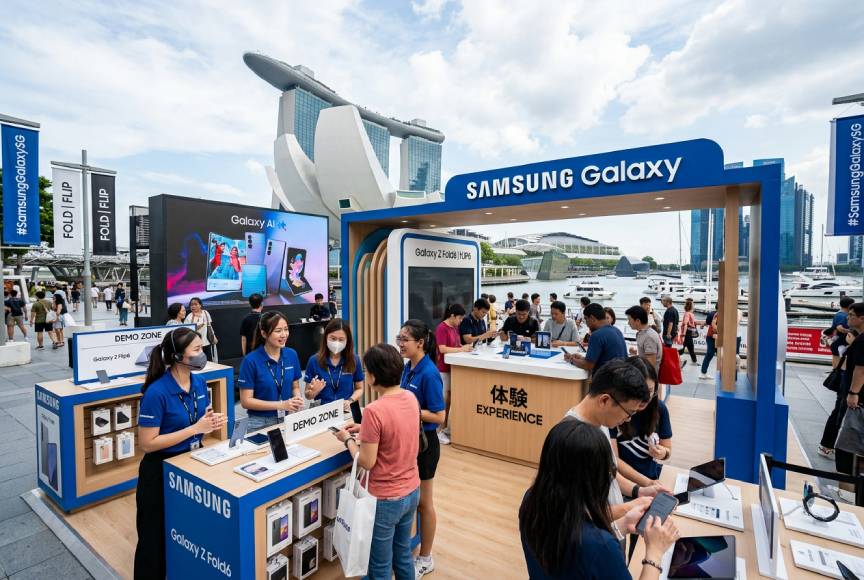
A fixed roadshow may work well when the brand wants to stay in one high-traffic location and speak to customers throughout the day. A retail activation can support in-store visibility and purchase decisions. A mobile event truck can bring the product to different areas, while an LED truck may help create stronger outdoor visibility.
Unicom Marketing’s event services include brand activation, mobile event spaces, mobile event trucks, and interactive retail entertainment solutions for campaigns such as product launches, roadshows, and on-ground engagement.
The role of the agency is to recommend a launch format that is practical, engaging, and suitable for the audience the brand wants to reach.
Creating a Product Experience Customers Can Understand
A product launch should make the product easy to understand.
Customers may not have time to read long descriptions or listen to a full sales explanation. The campaign should quickly communicate what the product is, why it matters, and how it benefits the customer.
This can be done through product displays, demonstrations, guided trials, sampling, digital screens, interactive activities, or promoter-led explanations. For technical or unfamiliar products, the agency may help create a simple flow that introduces the product step by step.
The best launch experiences are clear and focused. Customers should leave with at least one strong reason to remember the product.
Planning Customer Engagement During the Launch
A launch campaign becomes more effective when customers can participate instead of only observing.
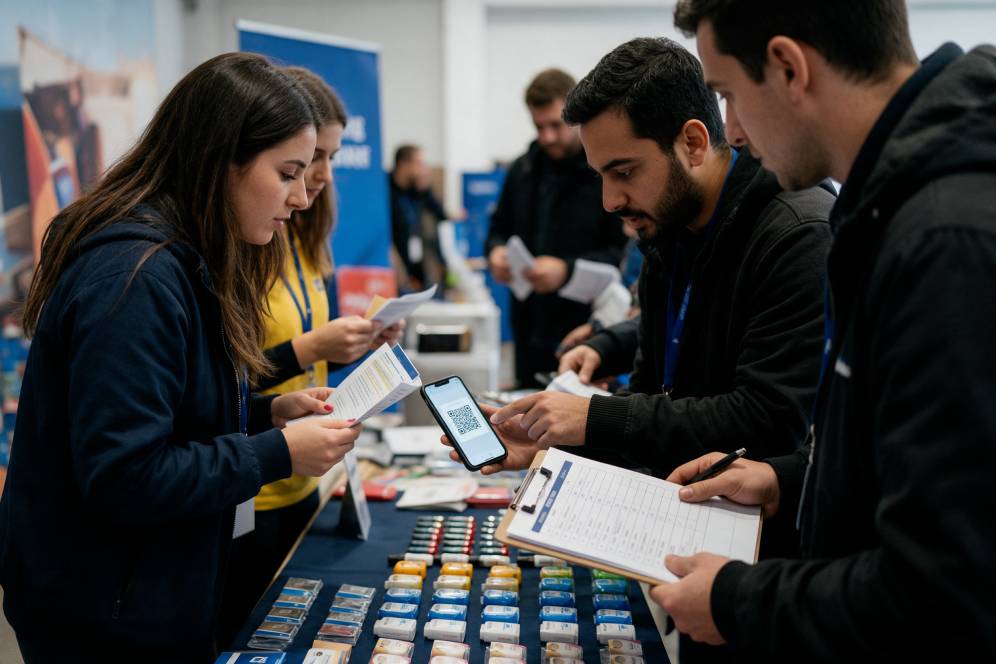
An event agency can help design activities that encourage people to stop, interact, and take action. These may include product trials, QR games, lucky draws, surveys, social media sharing, instant rewards, or guided demonstrations.
The activity should not feel separate from the product. If customers join a game but forget what product is being launched, the campaign has missed an opportunity. The engagement should support the product message and lead naturally to the next step.
For example, a skincare product launch may include a skin concern quiz followed by a suitable product recommendation. A beverage launch may use sampling followed by a short feedback form or voucher redemption.
Supporting Product Demonstrations and Sampling
Demonstrations and sampling are useful because they allow customers to experience the product directly. This is especially helpful for new products that require trust, explanation, or trial before purchase.
An event agency helps plan how demonstrations and sampling should be carried out. This includes display setup, product storage, hygiene flow, promoter briefing, stock control, crowd management, and feedback collection.
The setup should make the product feel appealing and easy to try. Sampling areas should be organised, and demonstrations should focus on the product’s most important benefits.
Unicom Marketing’s brand activation service supports product launches, roadshows, sampling campaigns, customer engagement, trained brand ambassadors, interactive displays, and on-ground campaign setups.
Using Mobile Event Spaces for Wider Launch Reach
Some product launches benefit from going beyond one fixed location. Mobile event spaces allow brands to bring the launch experience to different parts of Singapore, such as heartland communities, business parks, campuses, outdoor venues, and high-traffic shopping areas.
This is useful when the brand wants to reach different customer groups or create campaign visibility across multiple areas. A mobile event truck, Kombi van, LED truck, trailer, or bus can be customised into a launch space with product displays, sampling counters, screens, and engagement zones.
Unicom Marketing provides mobile event spaces that can be customised for product demos, sampling campaigns, roadshows, pop-ups, and experiential marketing across Singapore.
Mobile formats can also make the launch feel more dynamic and noticeable, especially when the campaign needs to travel to where the audience is.
Preparing Promoters and Event Staff
Promoters are important during product launches because they explain the product, guide customers, answer questions, and create the first human impression of the brand.
An event agency can help prepare promoter scripts, product FAQs, customer approach guidelines, and role assignments. The team should understand the product benefits, campaign mechanics, sampling process, and next action customers should take.
For a product launch, promoters should avoid sounding too generic. They need to explain the new product clearly and confidently, especially if customers are unfamiliar with it.
Good staff briefing also helps keep the message consistent across different campaign days or locations.
Managing Setup, Logistics, and On-Site Coordination
Behind every product launch campaign, there are many operational details. Product stock must arrive on time, displays must be arranged properly, branding materials must be installed, screens must work, and promoters must be ready before the campaign starts.
An event agency helps manage these details so the campaign can run smoothly. This may include production, transport, setup, teardown, material handling, equipment checks, manpower coordination, and on-site troubleshooting.
Product launches often have limited time to make an impression. If the booth is not ready, samples are missing, or the activity is unclear, the campaign may lose valuable customer attention.
Strong logistics support allows the brand team to focus on the launch message while the agency manages the execution.
Combining Digital Tools with the Physical Launch
Digital engagement can help make a product launch more interactive and measurable.
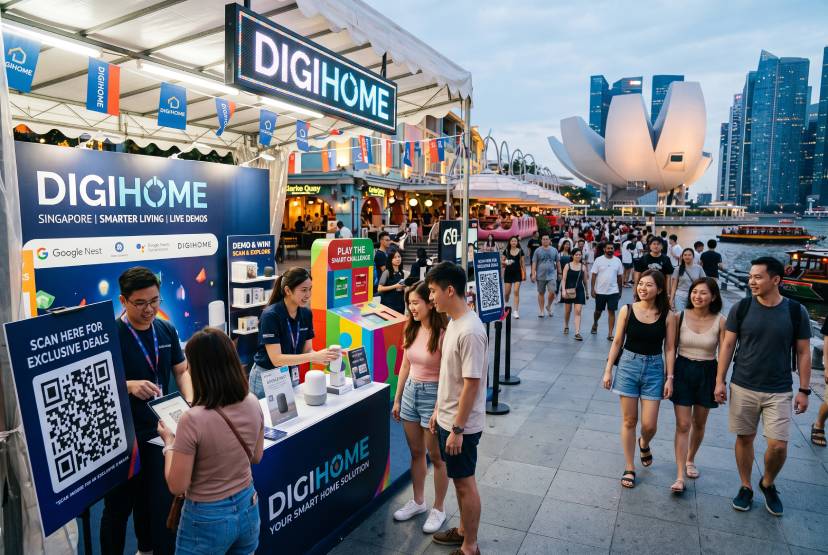
QR codes can be used for registration, surveys, vouchers, app downloads, or lucky draws. Interactive screens can explain product benefits. Digital games can attract participation. Social media activities can encourage customers to share the launch experience online.
For retail or event environments, interactive technology can help customers explore the product in a more engaging way. Unicom Marketing’s retail entertainment services support digital engagement tools, VR experiences, event gamification, and in-store activation support in Singapore.
The digital element should be simple and connected to the product. It should make the launch easier to join, not more complicated.
Collecting Feedback and Measuring Launch Results
A product launch is also a chance to learn from customers.
The agency may help the brand collect feedback through surveys, promoter observations, QR forms, sampling responses, lead collection, or customer enquiries. These results can help the brand understand how people responded to the product and whether the campaign message was clear.
Launch results may include samples distributed, product trials completed, leads collected, QR scans, voucher redemptions, social media engagement, sales enquiries, and customer comments.
This information is useful for improving future promotions, retail strategies, packaging, messaging, or follow-up campaigns.
Why the Right Event Agency Matters
A product launch campaign needs more than event setup. It needs planning, creativity, customer engagement, manpower, logistics, and performance review.
The right event agency in Singapore should understand how to translate a product message into a live experience. It should also know how to recommend suitable formats, manage on-ground execution, maintain brand consistency, and help customers understand the product clearly.
Unicom Marketing is an event marketing and activation agency in Singapore that supports event campaigns, brand activations, mobile event trucks, mobile showrooms, retail entertainment, and interactive digital solutions.
Conclusion
A product launch campaign is an opportunity to introduce a product in a way that customers can see, try, and remember.
An experienced event agency in Singapore helps brands plan the launch objective, choose the right campaign format, create a clear customer experience, manage demonstrations and sampling, prepare promoters, coordinate logistics, use digital tools, and review campaign results.
Whether the launch takes place in a retail store, shopping mall, mobile event truck, roadshow space, or outdoor location, the goal remains the same: to help customers understand the product and take the next step.
With the right event support, a product launch can become more than an announcement. It can become a real brand experience that builds awareness, trust, and interest from the start.