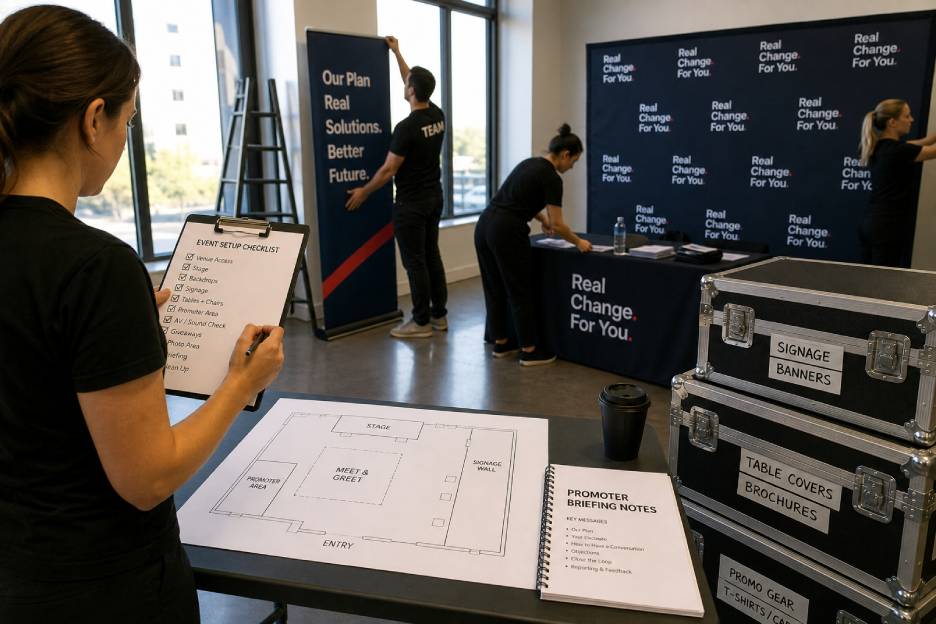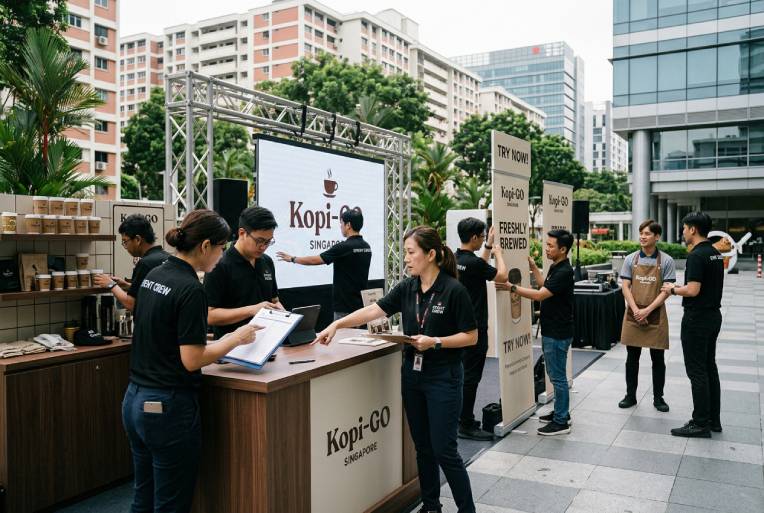
Last-minute issues can affect even the most creative event campaign. A booth may not be ready on time, campaign materials may be missing, promoters may be unclear about their roles, or technical equipment may fail right before the event starts.
For brands, these problems can create stress and affect the customer experience. In a live campaign, customers do not see the planning work behind the scenes. They only see whether the event looks organised, professional, and ready when they arrive.
This is why working with an experienced event agency in Singapore can be helpful. A good agency supports brands by planning ahead, checking important details early, coordinating different parties, and preparing backup options before the campaign goes live.
Why Last-Minute Issues Happen in Event Campaigns
Event campaigns involve many moving parts. Even a simple roadshow or product activation may require branding materials, product displays, promoters, equipment, venue coordination, transport, digital tools, and approval timelines.
Last-minute issues often happen when small details are not confirmed early. For example, the venue may have specific setup timing, but the logistics team may not be informed. Artwork may be approved late, leaving little time for printing. Promoters may arrive on time but may not know the campaign script or product details.
These issues are not always caused by one major mistake. They usually happen because several small gaps appear at the same time.
An event agency helps reduce these risks by managing the campaign process more carefully from the beginning.
Starting with a Clear Campaign Brief
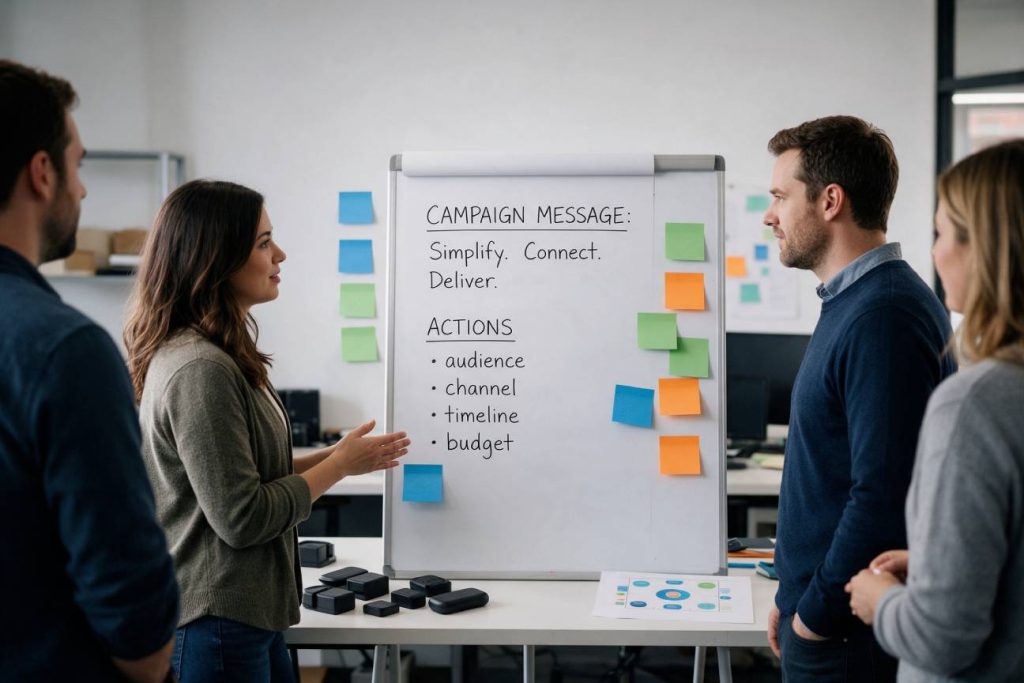
One of the best ways to reduce last-minute problems is to begin with a clear campaign brief.
The brief should explain the campaign objective, target audience, key message, preferred format, budget range, timeline, location, deliverables, and approval process. When these details are unclear, the agency may need to make assumptions, which can lead to revisions or delays later.
A clear brief helps the event agency understand what needs to be prepared and what risks should be watched early. It also gives the brand and agency a shared direction before production, manpower, and logistics begin.
For example, if the campaign requires product sampling, the agency needs to know how many samples are available, how they should be stored, and how customers will receive them. If the campaign involves QR registration, the digital form and redemption process must be ready before the event day.
Confirming the Timeline Early
A realistic timeline is important because event campaigns usually require multiple stages. These may include concept development, quotation, artwork preparation, approvals, production, promoter briefing, venue coordination, transport, setup, live execution, and teardown.
When too many decisions are left until the final days, the risk of mistakes increases. Suppliers may not have enough time to produce materials properly. Promoters may not be briefed well. Equipment may not be tested. The setup team may not have enough time to make adjustments.
An event agency helps brands work backwards from the campaign date. This allows the team to identify important deadlines and confirm what must be completed at each stage.
A good timeline also includes buffer time. This is important because approvals, printing, delivery, or venue coordination may take longer than expected.
Checking Venue Requirements Before Setup Day
Venue requirements can affect the whole campaign. Different malls, retail spaces, outdoor locations, business districts, and event areas may have different rules.
These rules may involve loading access, setup timing, power points, height limits, display restrictions, storage space, safety requirements, and teardown schedules.
If these details are only discovered on the setup day, the team may need to make rushed changes. This can delay the campaign or affect the final presentation.
An experienced event agency in Singapore helps check venue requirements early. The agency can coordinate with venue contacts, confirm access timing, review floor plans, and ensure the campaign setup fits the approved space.
This is especially important for roadshows, mobile event spaces, retail activations, and outdoor campaigns where the location strongly affects execution.
Preparing Materials and Assets in Advance
Campaign materials should be prepared, checked, and organised before the event.
This may include printed backdrops, booth panels, flyers, product displays, uniforms, QR stands, vouchers, digital screen content, product samples, gifts, and signage.
Last-minute material issues can create visible problems during the campaign. A missing sign may make the activity unclear. Incorrect artwork may affect brand consistency. Insufficient samples may reduce participation. A wrong QR code may stop customers from registering.
The event agency helps track these materials and confirm that they match the approved campaign plan. It may use checklists, production proofs, artwork confirmation, and delivery schedules to reduce the chance of missing or incorrect items.
Briefing Promoters Before the Campaign
Promoters are often the first people customers speak to during a live campaign. If they are not properly briefed, customers may receive unclear or inconsistent information.
A promoter briefing helps the team understand the campaign objective, brand message, product details, activity mechanics, customer approach, frequently asked questions, and escalation process.
This is important because even a well-designed booth can feel unprofessional if the people on-site are unsure of what to say or do.
An event agency helps prepare the team before the campaign starts. The briefing may include scripts, role assignments, product information, participation steps, reward rules, and customer-handling guidelines.
When promoters are ready, the campaign feels smoother and more trustworthy.
Testing Digital and Technical Elements
Many campaigns now include digital features such as QR codes, registration forms, interactive screens, tablets, LED displays, digital games, surveys, or online vouchers.
These elements should be tested before the event goes live. A QR code should lead to the correct page. A form should submit properly. A screen should display the correct content. A digital game should load quickly. Tablets should be charged and connected.
Technical issues can quickly affect customer experience. If customers cannot scan, register, play, or redeem smoothly, they may lose interest.
An event agency helps reduce this risk by checking digital tools in advance and preparing backup options where possible. For example, the team may keep extra devices, offline instructions, spare chargers, or alternative registration methods ready.
Coordinating Vendors and Suppliers Clearly
Event campaigns often involve several external parties. There may be a printing vendor, booth builder, transport team, AV supplier, vehicle provider, photographer, digital developer, or manpower agency.
If responsibilities are unclear, problems can appear close to the campaign date. One supplier may assume another party is handling installation. A delivery may arrive at the wrong time. A vendor may not receive the final artwork or updated schedule.
The event agency helps coordinate these parties by confirming deliverables, deadlines, contact persons, setup details, and approval requirements.
Clear vendor coordination helps reduce miscommunication and ensures that each part of the campaign is ready when needed.
Managing Logistics Before the Event Day
Logistics are often where last-minute issues appear. Campaign items need to be transported, stored, loaded, installed, removed, and sometimes moved between locations.
For mobile or multi-location campaigns, logistics become even more important because the team may need to repeat the setup in different places.
An event agency helps plan how materials will move, who is responsible for transport, where items will be stored, when setup begins, and how teardown will be handled.
This preparation helps prevent missing items, late deliveries, and confusion during setup. It also helps the on-site team understand where everything should be placed before customers arrive.
Creating Backup Plans for Common Issues
Not every issue can be prevented, but many can be prepared for.
Common backup plans may cover promoter absence, bad weather, equipment failure, stock shortage, slow registration, queue overflow, power issues, or delayed deliveries.
The backup plan does not need to be complicated, but the team should know what to do when something happens. For example, if a digital form fails, the team may use a backup form. If a promoter is unavailable, a standby staff member may be activated. If product samples run low, the team may adjust the distribution flow.
A good event agency thinks about these possibilities before the campaign begins, not only after the problem appears.
Conducting Final Pre-Event Checks
Before the campaign goes live, the event team should conduct a final check.
This may include reviewing the booth setup, product displays, signage, QR codes, digital content, promoter readiness, reward stock, customer flow, safety, and equipment.
The final check helps catch issues while there is still time to fix them. It also gives the team confidence that the campaign is ready for customers.
A final walkthrough from the customer’s point of view is useful. The team can check whether the campaign is easy to understand, whether customers know where to start, and whether the activity flow makes sense.
Having On-Site Support During the Campaign
Even with strong preparation, live campaigns can still require adjustments.
Customer traffic may be heavier than expected. Queues may form in a different direction. Certain customer questions may come up repeatedly. Stock may move faster than planned. A sign may need to be repositioned.
Having on-site support allows the event agency to respond quickly. The team can guide promoters, coordinate vendors, solve technical issues, update the brand team, and make small changes without disrupting the campaign.
This support helps protect the customer experience and keeps the event running professionally.
Why the Right Event Agency Matters
Reducing last-minute campaign issues requires more than a checklist. It requires experience, planning discipline, coordination, and an understanding of how live campaigns work in real environments.
The right event agency in Singapore helps brands prepare early, communicate clearly, manage vendors, brief staff, test equipment, coordinate logistics, and respond quickly during the campaign.
This is especially valuable for roadshows, product launches, brand activations, mobile event campaigns, interactive experiences, and multi-location rollouts.
When the agency manages the details properly, the brand can focus on the campaign objective and customer engagement instead of rushing to solve avoidable problems.
Conclusion
Last-minute campaign issues can affect event quality, customer trust, and campaign performance. Many of these problems can be reduced with proper planning, clear timelines, early venue checks, organised materials, trained promoters, tested digital tools, vendor coordination, logistics planning, backup options, and final pre-event checks.
An experienced event agency in Singapore helps brands manage these details before they become customer-facing problems.
When preparation is handled well, the campaign feels smoother, more professional, and more reliable. That gives customers a better experience and helps the brand make a stronger impression during the live event.