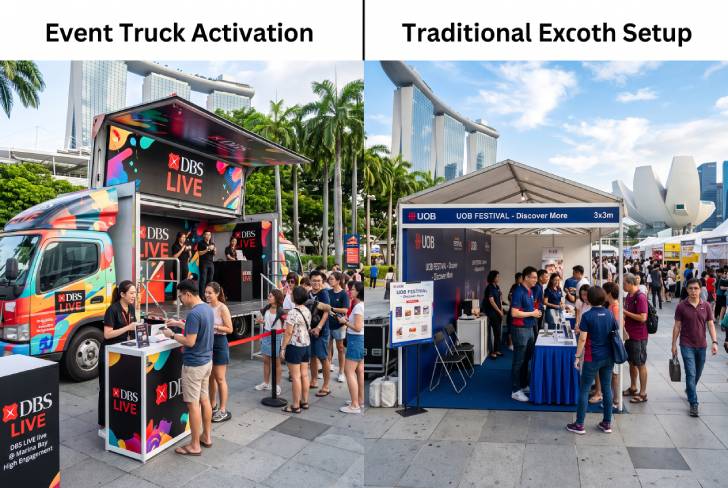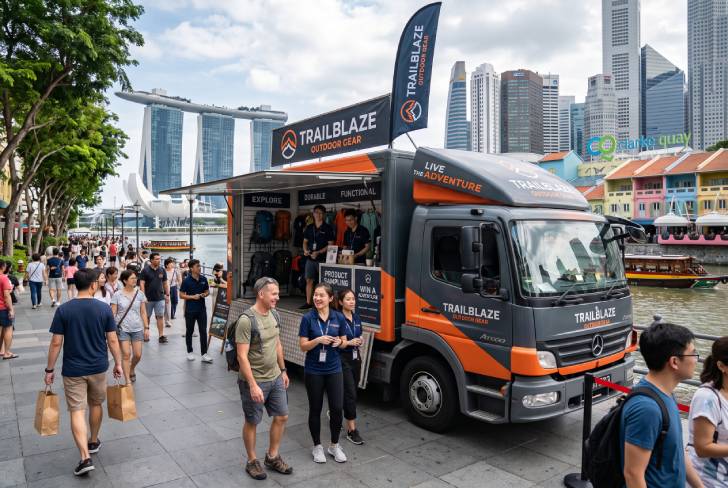
Event trucks are useful for brands that want to create a mobile, visible, and flexible campaign experience. They can be used for product launches, sampling campaigns, roadshows, public awareness activities, mobile showrooms, and outdoor brand activations.
However, successful event truck rental in Singapore requires more than booking a vehicle. The truck is only one part of the campaign. To create real customer engagement, brands also need campaign planning, branding, setup design, manpower, logistics, location coordination, and on-site execution.
Without these elements, an event truck may attract attention but fail to create a meaningful brand experience. The goal is not only to park a branded vehicle in a busy area. The goal is to turn the truck into a campaign space that customers can notice, understand, and interact with.
The Truck Is the Platform, Not the Whole Campaign
An event truck gives the campaign mobility and visibility. It can help brands appear in different locations and create a stronger physical presence compared to a basic booth.
But the vehicle itself does not explain the product, guide customer participation, manage queues, collect leads, or create trust. These parts need to be planned around the truck.
A strong event truck campaign should answer practical questions. What will customers see first? Where will they approach the truck? What activity will they join? Who will explain the brand? What will happen after they participate?
When these questions are not answered, the campaign may look interesting from a distance but feel unclear when customers come closer.
Campaign Planning Comes Before Vehicle Selection
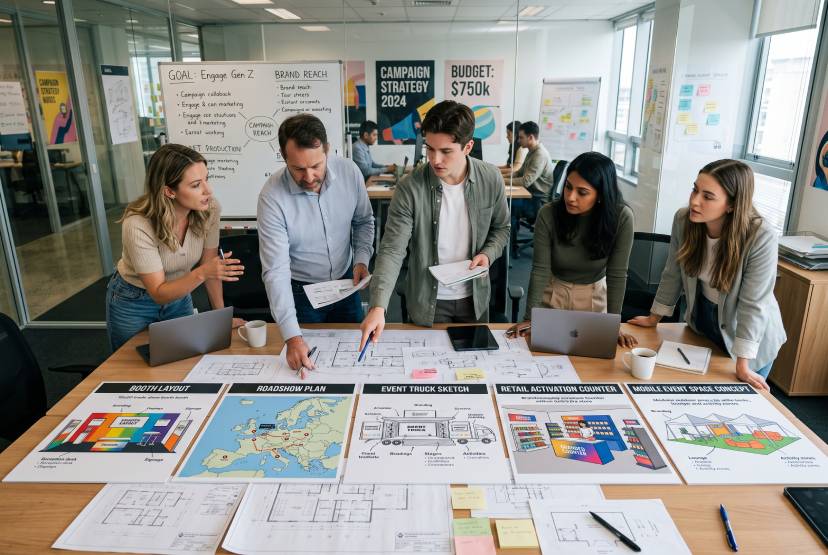
Before renting an event truck, brands should define the campaign objective.
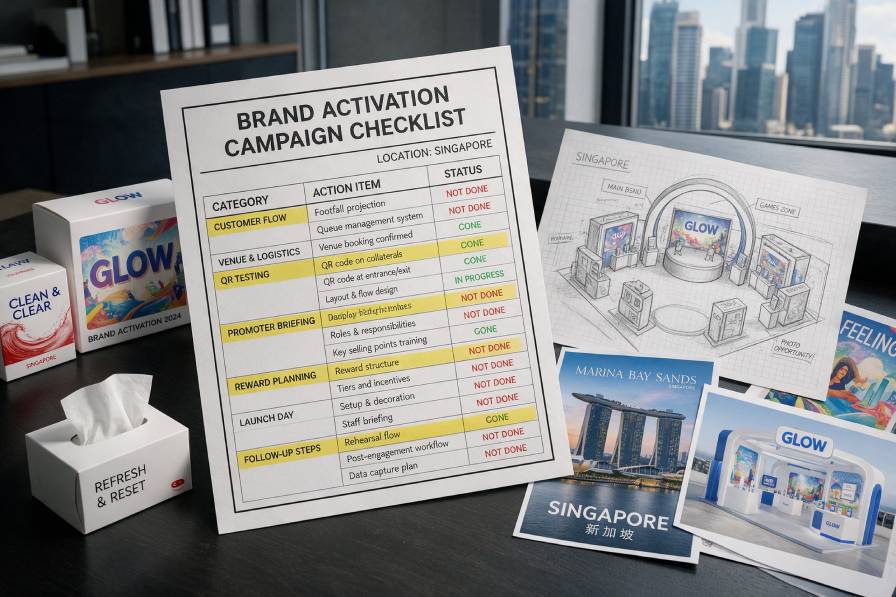
A product launch may need display space, demonstration areas, and a strong visual reveal. A sampling campaign may require product storage, preparation areas, distribution counters, and hygiene flow. A lead-generation campaign may need QR registration, consultation space, digital forms, and follow-up planning.
The campaign objective affects the type of truck, layout, branding, manpower, equipment, route, and timing required.
This is why event truck rental should not be treated as a standalone decision. The vehicle should be selected based on what the campaign needs to achieve, not only based on size or appearance.
Vehicle Branding Must Be Clear and Memorable
One of the biggest advantages of an event truck is visibility. A branded truck can catch attention while parked, moving, or positioned near a campaign area.
However, visibility only works when the branding is clear. The design should communicate the campaign message quickly. Customers should be able to recognise the brand, understand the offer, and know why they should approach.
A strong event truck design usually keeps the message simple. It may include the brand name, key visual, product image, campaign tagline, and clear call-to-action. Too much text can make the design hard to read, especially in outdoor or high-traffic areas.
Good vehicle branding turns the truck into a moving campaign asset, not just transport.
The Setup Around the Truck Matters
Customers do not only interact with the truck. They also interact with the space around it.
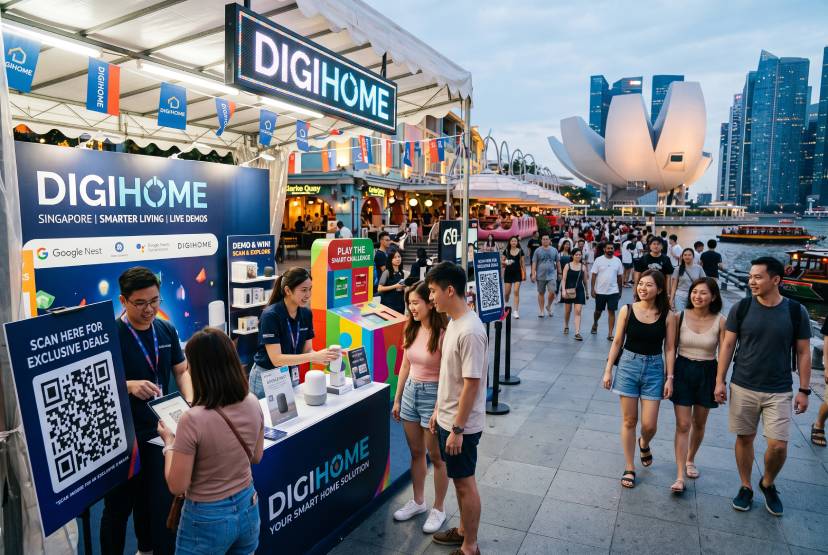
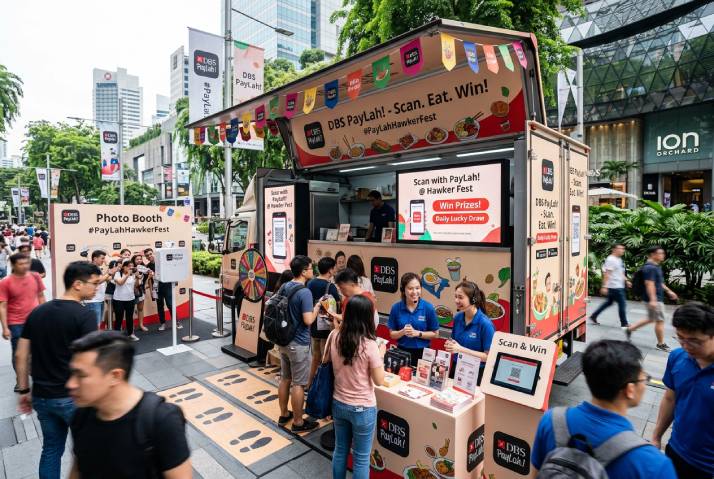
The surrounding setup may include counters, product displays, queue areas, signage, sampling stations, demonstration zones, photo spots, digital screens, or redemption points. These elements help turn the truck into a complete brand activation.
If the space is poorly arranged, customers may not know where to enter or what to do. If the setup blocks movement or feels too crowded, people may avoid engaging.
A proper layout should make the campaign easy to understand from the customer’s point of view. It should guide people naturally from attention to participation and then towards the final action.
Location Planning Affects Campaign Performance
Event trucks are mobile, but they still need the right locations to perform well.
A busy location is useful, but it must also match the brand’s target audience. A campaign aimed at office workers may need business districts or lunch-hour exposure. A family campaign may work better in heartland areas, community spaces, or weekend event locations. A lifestyle product may benefit from malls, outdoor lifestyle zones, or youth-focused areas.
Location planning should also consider practical requirements such as parking space, visibility, traffic flow, customer access, power needs, setup timing, and any site restrictions.
A strong event truck campaign is planned around both audience relevance and operational feasibility.
Promoters Bring the Campaign to Life
An event truck can attract attention, but promoters help convert attention into interaction.
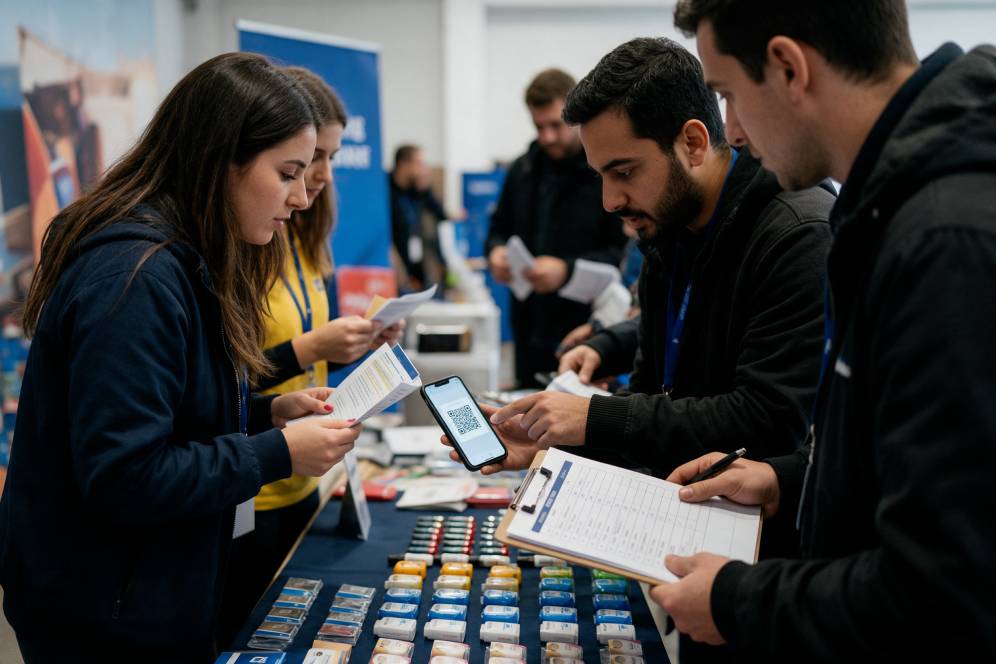
Promoters invite customers to participate, explain the campaign, introduce the product, manage samples, guide QR scans, answer questions, and encourage the next step. Without trained promoters, customers may look at the truck and walk away without understanding the campaign.
Promoter briefing is important. The team should understand the brand message, product benefits, campaign mechanics, customer flow, and frequently asked questions.
For new products or technical services, promoter quality becomes even more important because customers may need explanation before they feel confident.
Customer Engagement Needs a Clear Activity
A truck campaign should give customers a reason to stop.
This activity does not need to be complicated. It may be a product trial, sampling station, photo opportunity, QR activity, digital game, lucky draw, product demonstration, mini consultation, or reward redemption.
The activity should connect to the campaign objective. If the goal is product education, the activity should help customers understand the product. If the goal is lead collection, the activity should guide customers naturally towards registration. If the goal is brand awareness, the activity should create a memorable interaction.
An event truck campaign becomes stronger when customers can participate instead of only viewing the vehicle.
Logistics Decide Whether the Campaign Runs Smoothly
Behind the scenes, event truck campaigns require detailed logistics.
The team needs to coordinate the truck schedule, route, setup materials, product stock, displays, equipment, power supply, manpower, uniforms, giveaways, printed materials, and teardown process.
If any part is missing or late, the campaign may be affected. For example, the truck may arrive on time, but the product samples may not. The booth setup may be ready, but the QR system may not work. Promoters may be present, but they may not have the correct redemption items.
Good logistics planning helps prevent these issues before customers see them.
Digital Tools Can Extend the Event Truck Experience
Many event truck campaigns can benefit from digital engagement.
QR codes can be used for registration, surveys, vouchers, app downloads, lucky draws, and product information. LED screens can show campaign visuals, product videos, or brand messages. Digital games can increase participation and make the campaign more enjoyable.
These tools can also help brands measure results. Instead of only counting foot traffic, brands can track QR scans, leads collected, survey responses, voucher redemptions, app downloads, or customer feedback.
Digital tools should remain simple and easy to use. Customers near an event truck may not want a long process. The best digital touchpoints are quick, clear, and connected to the reward or campaign message.
On-Site Coordination Protects the Brand Experience
Live campaigns can change quickly. Customer traffic may increase suddenly, queues may form, weather may affect the setup, products may run low, or technical equipment may need adjustment.
On-site coordination helps the team respond quickly. A supervisor or agency representative can guide promoters, manage stock, monitor customer flow, coordinate with vendors, and solve problems during the campaign.
This support is important because customers judge the brand based on what they experience in real time. If the event truck campaign feels organised and professional, customers are more likely to trust the brand.
Reporting Helps Brands Learn from the Campaign
An event truck campaign should not end when the vehicle leaves the location.
After the campaign, brands can review results such as customer interactions, product samples distributed, QR scans, leads collected, survey responses, social media participation, sales enquiries, and promoter feedback.
This helps brands understand which locations performed better, which messages attracted more attention, and which engagement methods worked well.
Reporting also helps improve future campaigns. If one location generated stronger participation, the brand can study why. If customers asked the same questions repeatedly, the campaign message may need to be clearer next time.
Why the Right Event Partner Matters
Choosing event truck rental in Singapore should not only be about finding a vehicle. Brands should look for an event partner that understands campaign planning, branding, activation design, manpower, logistics, digital engagement, and on-site execution.
The right partner can help brands decide how to use the truck effectively. It can recommend the setup, customer flow, activity, route, timing, and support needed to make the campaign work.
For brands planning product launches, roadshows, sampling campaigns, mobile activations, or public engagement campaigns, this full support can make the difference between a vehicle display and a true brand experience.
Conclusion
Event truck campaigns need more than vehicle rental because the truck is only the starting point.
To create a successful campaign, brands need clear objectives, strong vehicle branding, suitable locations, thoughtful setup design, trained promoters, customer engagement activities, logistics planning, digital tools, on-site coordination, and post-campaign review.
A well-planned event truck campaign can help brands reach customers in different parts of Singapore while creating a memorable live experience.
When the vehicle, people, setup, activity, and message work together, event truck rental becomes more than transport. It becomes a mobile brand activation that helps customers notice, understand, and connect with the brand.