A successful brand activation is not only about creating a nice booth, hiring promoters, or giving out samples. It is about guiding customers through a complete experience that starts from the first moment they notice the campaign and continues even after they leave the event space.
This is why the best activation agency in Singapore needs to understand the full customer journey. Every stage matters, from attracting attention to encouraging participation, building product interest, collecting leads, and creating a meaningful follow-up.
When the customer journey is planned properly, the campaign feels smoother, more purposeful, and more memorable. Customers are not left wondering what to do next. Instead, they are guided naturally from awareness to action.
What the Customer Journey Means in Brand Activation
In brand activation, the customer journey refers to the complete path a customer takes when interacting with a campaign.
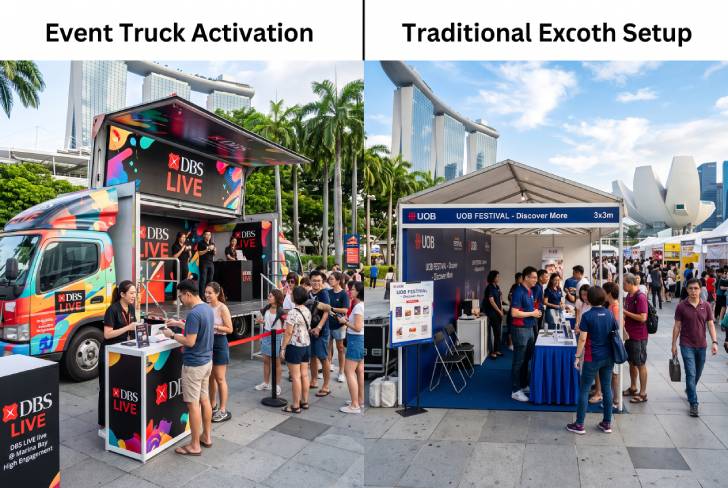
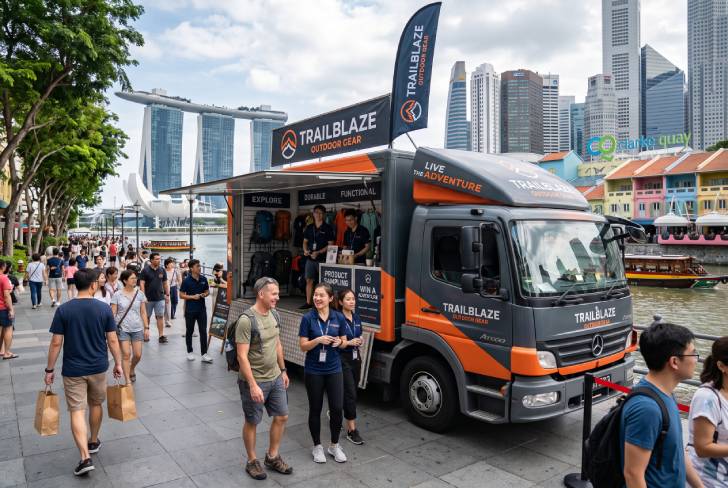
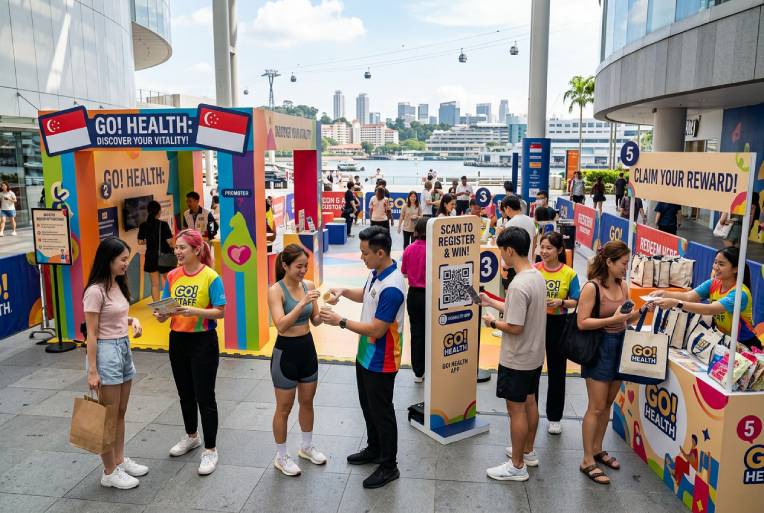
It may begin when someone sees a roadshow booth, mobile event truck, product display, digital screen, or promoter. From there, the customer may enter the campaign space, join an activity, try a product, scan a QR code, ask questions, receive a reward, and continue engaging with the brand later.
The journey can be simple or detailed depending on the campaign objective. A sampling campaign may focus on product trial and feedback. A lead-generation campaign may guide customers towards registration. A product launch may focus on education, demonstration, and first impressions.
An experienced activation agency in Singapore understands that each step should connect clearly with the next. This prevents the campaign from feeling like separate activities with no clear purpose.
The Journey Starts Before Customers Enter the Campaign Space
Many brands think the customer journey begins when someone walks into the booth. In reality, it starts earlier.
Customers first decide whether to stop based on what they notice from a distance. The campaign visuals, headline, layout, promoter approach, and overall energy all influence whether they feel interested enough to come closer.
A clear attraction point helps customers understand the campaign quickly. This may be a strong visual, product display, live demonstration, event truck setup, digital screen, or interactive activity.
The goal is to make the first impression simple and inviting. If the campaign looks confusing or closed off, customers may walk past even if the offer is relevant to them.
Clear Messaging Helps Customers Understand Why They Should Join
Once the campaign gets attention, customers need to understand what it is about.
The message should explain the main value clearly. It may invite customers to try a new product, join a short game, redeem a sample, learn about a service, or scan a QR code for a reward.
The best activation agency in Singapore knows that customers in busy locations do not always have time to read long explanations. The message should be short, visible, and connected to the campaign objective.
If the campaign has too many messages, customers may not know what to focus on. A stronger approach is to highlight one main idea and support it with simple explanations from promoters, displays, or digital content.
A Good Journey Makes Participation Easy
Even when customers are interested, they may avoid joining if the activity looks complicated.
A good customer journey removes unnecessary friction. Customers should know where to start, what they need to do, how long it may take, and what they will receive after participating.
This is where campaign flow becomes important. The entrance, activity area, product display, registration point, and reward counter should be arranged in a way that feels natural.
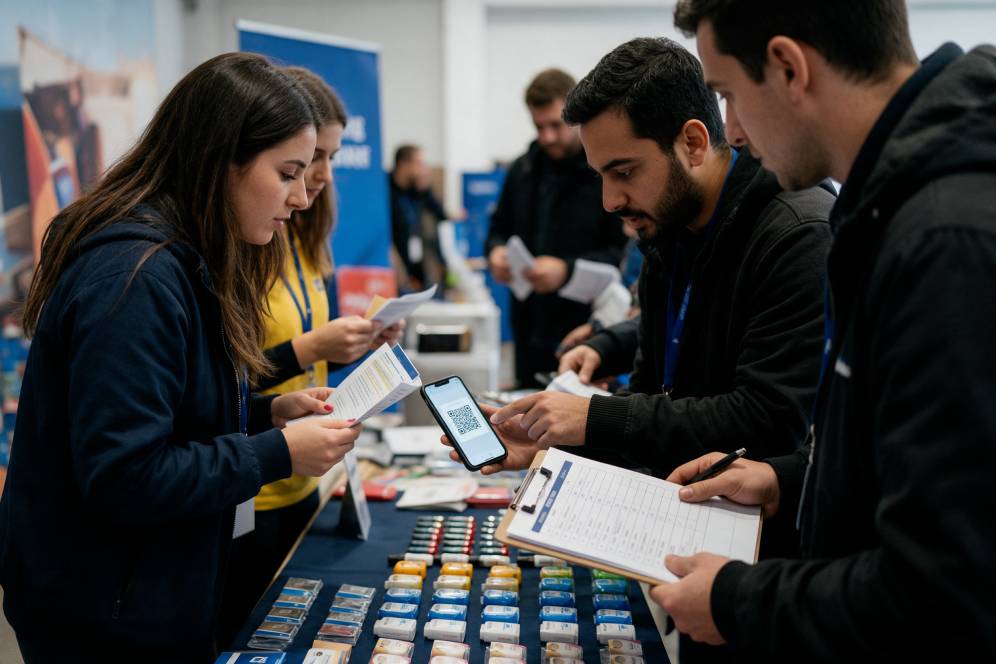
For example, a customer may first be welcomed by a promoter, then try a product, join a simple activity, scan a QR code, and receive a voucher. Each step should feel connected instead of random.
When participation feels easy, more customers are likely to engage.
Promoters Guide Customers Through the Experience
Promoters play an important role in the customer journey because they help connect the physical campaign setup with human interaction.
A well-briefed promoter can welcome customers, explain the campaign, answer questions, guide them through the activity, and introduce the next step. Without proper guidance, customers may feel unsure or leave before completing the journey.
Promoters should understand:
- The campaign objective
- The product or service message
- The participation steps
- Common customer questions
- The correct follow-up action
The promoter’s role is not only to attract people. It is to help customers feel comfortable, informed, and confident throughout the experience.
Product Interaction Builds Interest and Confidence
For many brand activations, product interaction is the moment where interest becomes stronger.
Customers may taste a sample, test a product, watch a demonstration, compare options, or ask how the product works. These real interactions can build confidence faster than a printed message or online advertisement.
The customer journey should give enough space for product understanding. If the campaign moves customers too quickly from attraction to reward, they may not remember the product clearly.
An activation agency should plan where product education happens in the journey. It may be before the activity, during the demonstration, or after the customer joins a game or trial.
The key is to make sure customers leave with a clear reason to remember the product.
Digital Touchpoints Extend the Journey
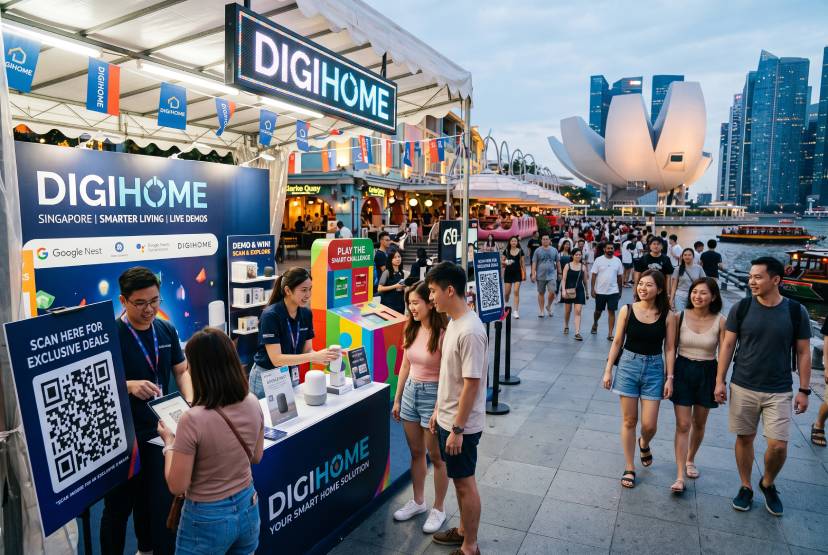
Modern activation campaigns often include digital tools such as QR codes, online forms, interactive screens, surveys, digital games, social media actions, or e-vouchers.
These touchpoints can help brands continue the journey after the physical interaction. A customer may scan a QR code to redeem an offer, receive product information, sign up for updates, or complete a survey.
Digital tools also make the campaign more measurable. Brands can track participation, leads, QR scans, voucher redemptions, survey responses, or customer feedback.
However, the digital step should not feel like a burden. If the form is too long or the process is unclear, customers may drop off. The best activation agency in Singapore will keep digital engagement simple, useful, and connected to the live experience.
Rewards Should Support the Journey, Not Distract from It
Rewards can encourage customers to participate, but they should not become the only thing people remember.
A good reward supports the campaign objective. For example, a product sample helps customers continue trying the product at home. A voucher encourages a future purchase. A personalised recommendation helps customers understand what suits them. A lucky draw can create excitement while collecting campaign participation.
The reward should feel like a natural ending to the experience.
If customers only queue for a free gift without understanding the brand, the campaign may attract numbers but create weak brand interest. The customer journey should connect the reward back to the product, message, or next action.
Follow-Up Turns One-Time Engagement into Longer-Term Value
The customer journey should not end when the customer leaves the campaign space.
For many brands, the real value comes from what happens after the activation. Customers may receive a follow-up message, use a voucher, visit a retail store, follow the brand online, download an app, or make an enquiry later.
This is why lead collection and follow-up planning matter. If the campaign collects customer details but has no clear follow-up process, the opportunity may be wasted.
A strong activation agency helps brands think beyond campaign day. The agency may support QR registration, survey collection, offer redemption, social media actions, or post-campaign reporting so the brand can continue building interest.
Follow-Up Turns One-Time Engagement into Longer-Term Value
The customer journey should not end when the customer leaves the campaign space.
For many brands, the real value comes from what happens after the activation. Customers may receive a follow-up message, use a voucher, visit a retail store, follow the brand online, download an app, or make an enquiry later.
This is why lead collection and follow-up planning matter. If the campaign collects customer details but has no clear follow-up process, the opportunity may be wasted.
A strong activation agency helps brands think beyond campaign day. The agency may support QR registration, survey collection, offer redemption, social media actions, or post-campaign reporting so the brand can continue building interest.
Understanding the Journey Helps Improve Campaign Results
When the customer journey is planned clearly, it becomes easier to measure campaign performance.
Brands can review where customers entered, how many participated, which activity worked best, how many leads were collected, what feedback was received, and whether customers completed the desired action.
This helps identify where the campaign performed well and where improvement is needed. For example, if many customers joined the activity but few scanned the QR code, the digital step may need to be simplified. If people stopped at the booth but did not try the product, the promoter approach or product display may need adjustment.
A full journey view helps brands improve future activations instead of only looking at surface-level attendance.
Why the Right Activation Agency Matters
The best activation agency in Singapore understands that brand activation is not just about one campaign moment. It is about designing a complete path that helps customers move from attention to interest, participation, confidence, and follow-up.
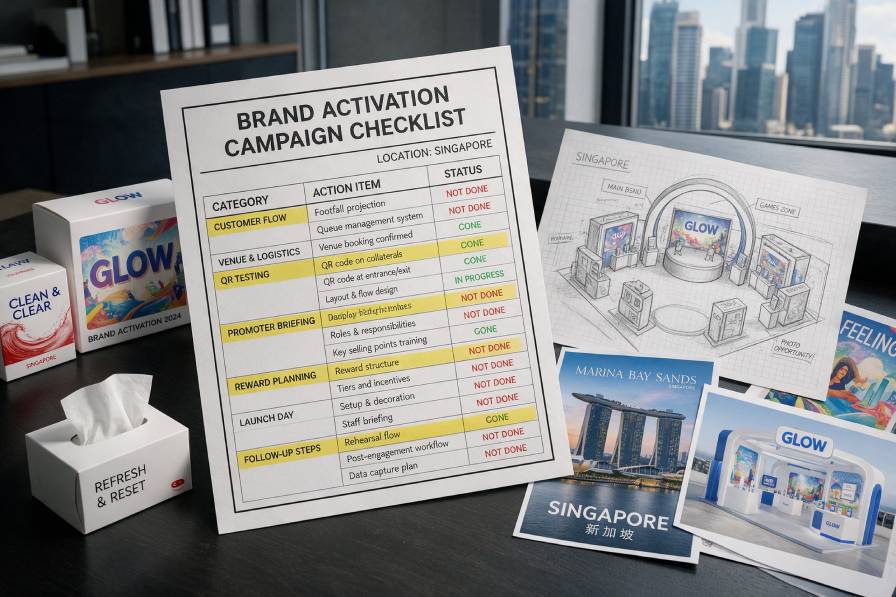
This requires more than event supply. It requires customer journey planning, campaign flow design, promoter briefing, product presentation, digital engagement, logistics, and post-campaign review.
For brands planning roadshows, product launches, mobile event activations, sampling campaigns, or retail engagement, choosing an agency that understands the customer journey can make the campaign more organised and effective.
The right agency will not only ask what setup the brand wants. It will ask what customers should experience and what action they should take next.
Conclusion
The full customer journey is one of the most important parts of a successful brand activation.
Customers need to notice the campaign, understand the message, feel comfortable joining, interact with the product, complete the activity, receive a meaningful reward, and know what to do next.
The best activation agency in Singapore understands how to connect these stages into one smooth experience. This helps brands create campaigns that are easier to join, more memorable, and more useful for long-term engagement.
When the journey is planned from the customer’s point of view, brand activation becomes more than an event setup. It becomes a complete experience that helps customers move closer to the brand.