Customers are more likely to remember an event when the experience feels relevant to them. A campaign may have a beautiful setup, strong branding, and a busy location, but if the interaction feels generic, customers may not form a strong connection with the brand.
This is why personalisation matters in live campaigns. A personal event experience does not always mean using advanced technology or collecting detailed customer data. It can be as simple as understanding the audience, speaking to customers naturally, recommending the right product, or designing an activity that feels useful to the people joining it.
An experienced event agency in Singapore helps brands create event experiences that feel more personal, approachable, and meaningful. Instead of treating every visitor the same way, the campaign can be planned around what different customers need, feel, and expect during the event.
Why Personal Experiences Matter in Event Campaigns
Live campaigns give brands something that digital ads cannot fully replace: direct human interaction.
Customers can ask questions, try products, receive recommendations, join activities, and experience the brand in real life. When this interaction feels personal, the customer is more likely to stay engaged and remember the brand after leaving the event space.
A generic event may attract attention for a short moment, but a personal experience can build stronger trust. Customers feel that the brand understands their needs instead of only trying to promote a product.
This is especially important in Singapore, where customers often encounter many roadshows, retail promotions, product launches, and activation campaigns. A more personal approach can help a brand stand out in a crowded environment.
Understanding the Audience Before Planning the Event
A personal event experience starts with audience understanding.
Before deciding on the event format, booth design, activity, or promotional message, the agency needs to understand who the campaign is trying to reach. Different audiences may respond to different engagement styles.
For example, office workers may prefer quick and direct interactions during lunch hours. Families may enjoy a more relaxed activity with rewards. Younger audiences may respond better to photo moments, digital games, or social sharing. Customers considering higher-value products may need more explanation and one-to-one conversation.
An event agency helps brands think through these details before the campaign begins. This allows the event to feel more relevant instead of using one standard approach for every customer group.
Creating Messages That Speak to Customer Needs
A campaign message feels more personal when it connects with what customers care about.
Instead of only saying what the brand offers, the message should explain why it matters to the customer. This may involve highlighting convenience, confidence, savings, lifestyle value, product quality, or a specific problem the product helps solve.
For example, a campaign for a new wellness product may focus on daily comfort and easy usage. A technology product may focus on saving time. A retail promotion may focus on helping customers find the right option quickly.
The event agency can help simplify the message so it is easy to understand during a live event. Customers should not need to read a long explanation before understanding the benefit.
Designing Engagement Around Different Customer Behaviours
Not all customers participate in the same way. Some are willing to speak with promoters immediately, while others prefer to observe first. Some enjoy games and activities, while others want product information quickly.
A well-planned event experience allows for different levels of engagement.
For example, the campaign may include a quick activity for walk-by customers and a deeper product discussion for those who show stronger interest. A product display may allow customers to browse first, while promoters remain nearby to assist when needed.
This flexible approach makes the event feel less forced. Customers can choose how much they want to engage, while the brand still guides them towards the campaign objective.
Using Promoters to Create Human Connection
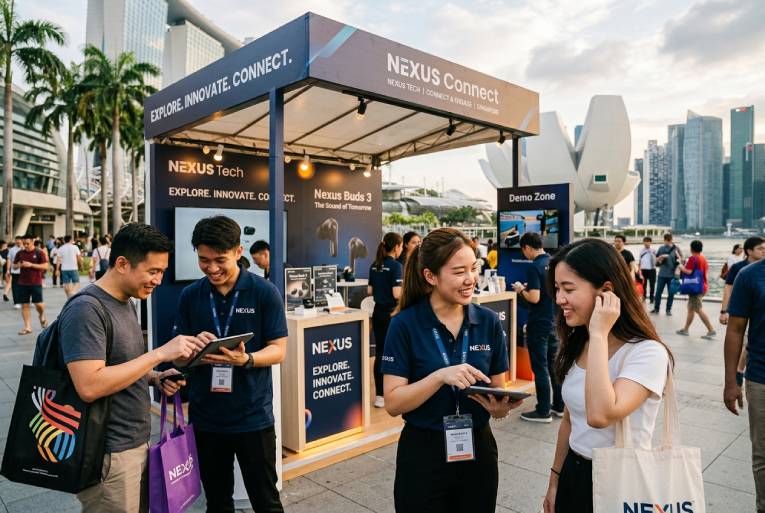
Promoters and brand ambassadors are one of the most important parts of a personal event experience.
A good promoter does not simply repeat a script. They listen, observe, ask simple questions, and adjust the conversation based on the customer’s response.
For example, instead of giving the same product explanation to everyone, a promoter may ask what the customer is looking for and then highlight the most relevant benefit. This makes the interaction feel more helpful and less like a standard sales pitch.
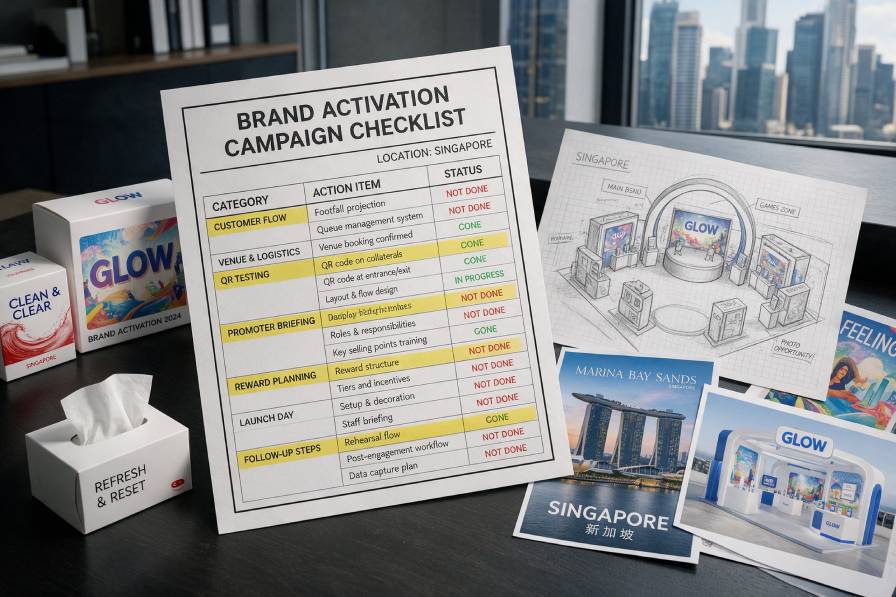
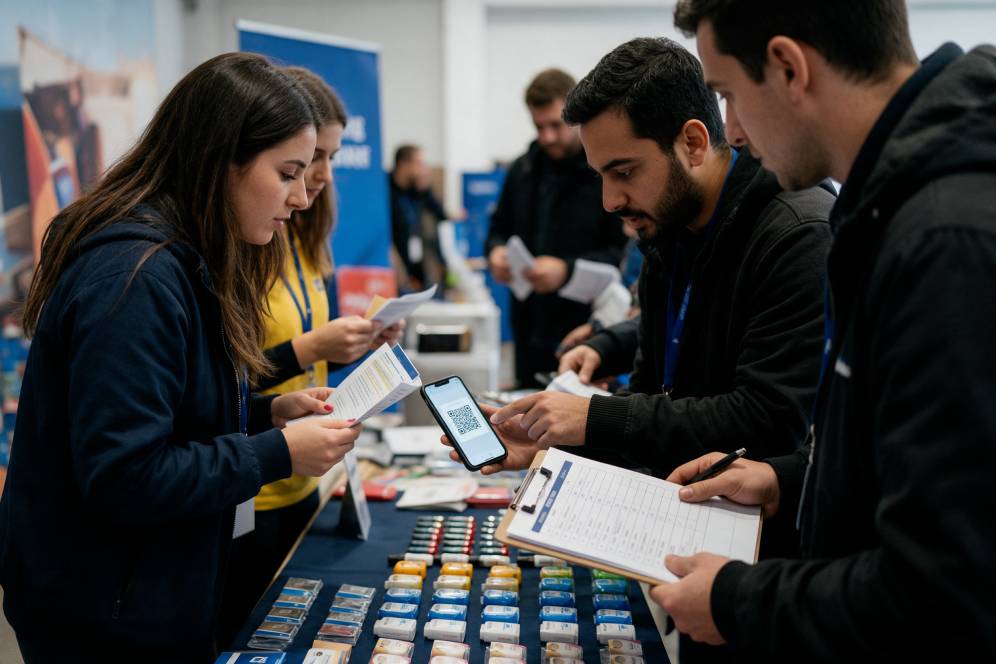
Promoter briefing is important here. The event team should understand the product, campaign message, common customer questions, and different ways to guide the conversation. When promoters are prepared, they can create a more natural and confident customer experience.
Personalising Product Demonstrations and Recommendations
Product demonstrations can feel more meaningful when they are connected to customer needs.
Instead of showing every feature, the event team can focus on what matters most to the person in front of them. If the customer is new to the product, the demonstration can begin with simple usage. If the customer already understands the category, the promoter can explain what makes the product different.
For some campaigns, personalised recommendations can be included. Customers may answer a few simple questions and receive a product suggestion, sample type, service option, or promotional offer that fits their needs.
This does not need to be complicated. Even a short guided conversation can make the experience feel more personal than a general product display.
Interactive Tools Can Support Personal Engagement
Interactive technology can help make event experiences feel more tailored when used properly.
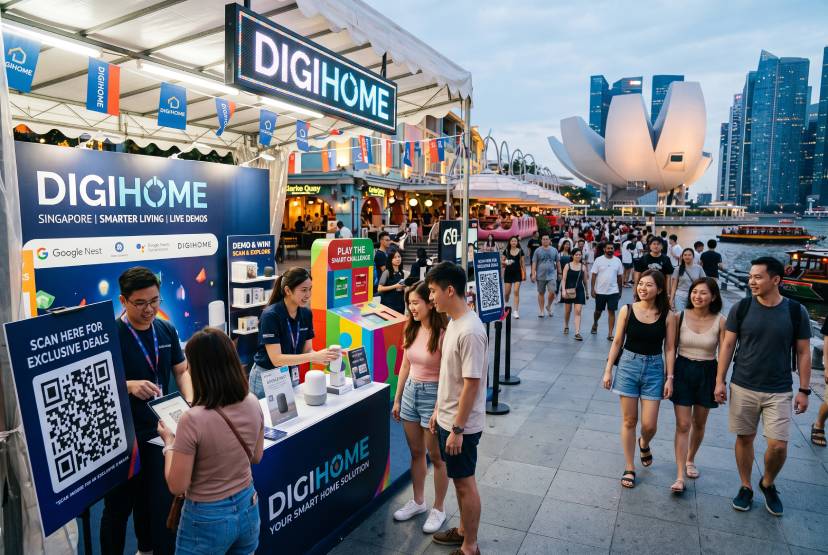
For example, a touchscreen quiz can guide customers to a product recommendation. A QR form can help customers register for the most relevant offer. A digital game can ask simple preference-based questions before giving a reward. A survey can collect customer feedback while giving the brand useful insights.
The key is to make the technology simple and purposeful. Customers should feel that the digital interaction helps them receive something more relevant, not that they are being asked to complete a form for no clear reason.
Interactive tools work best when they support human interaction. A promoter can use the customer’s quiz result, survey response, or selected option to continue the conversation in a more useful way.
Creating Personal Moments Through Rewards and Follow-Up
Rewards can also be planned in a more personal way.
Instead of giving every customer the same item, brands may offer rewards based on participation, product interest, customer preference, or campaign mechanic. For example, a customer may receive a sample related to their selected concern, a voucher for a relevant product category, or a follow-up link based on what they explored during the event.
Follow-up is another important part of the experience. After the event, customers may receive a thank-you message, offer reminder, product information, or invitation to continue the conversation.
When follow-up feels connected to the live experience, it becomes more meaningful. It reminds customers of what they experienced and gives them a practical next step.
Making the Event Space Feel Welcoming
Personal experience is not only about conversations or digital tools. The physical environment also matters.
A welcoming event space helps customers feel comfortable enough to approach. The booth or activation area should be open, clearly arranged, and easy to understand. Customers should know where to begin, who to speak to, and what they can do.
Small details can make the space feel more personal. Clear signage, comfortable waiting areas, neat product displays, friendly promoter positioning, and easy activity flow all contribute to the overall experience.
If customers feel confused or pressured, they may leave quickly. If the space feels approachable, they are more likely to engage.
Keeping the Brand Experience Consistent
A personal experience should still remain consistent with the brand.
The tone of the promoters, the campaign visuals, the activity style, and the follow-up message should all match the brand personality. A premium brand may need a calm and polished experience. A family-friendly brand may need a warmer and more playful approach. A technology brand may need a clear, helpful, and confident explanation style.
An event agency helps maintain this consistency by aligning the campaign concept, design, staff briefing, and customer journey.
This ensures that personalisation does not become random. Every customer may have a slightly different interaction, but the overall brand impression should remain clear.
Measuring Whether the Experience Worked
Brands should review whether the event experience successfully created meaningful engagement.
Useful measurements may include customer interactions, product trials, QR scans, leads collected, survey responses, questions asked, voucher redemptions, and promoter observations.
Beyond numbers, qualitative feedback is also important. What did customers ask about? Which product benefit interested them most? Did they understand the campaign message? Did they seem comfortable participating?
These insights help brands improve future events and create even more relevant customer experiences.
Why the Right Event Agency Matters
Creating an event that feels personal requires planning beyond setup and logistics.
The right event agency in Singapore helps brands understand their audience, design suitable touchpoints, brief promoters, plan the customer journey, use interactive tools, and create follow-up opportunities.
This is useful for product launches, roadshows, retail activations, mobile event campaigns, sampling campaigns, and interactive brand experiences.
A good agency does not only ask what the brand wants to show. It asks what customers should feel, understand, and do after experiencing the campaign.
Conclusion
Personal event experiences help brands create stronger customer connections.
When a campaign feels relevant, approachable, and useful, customers are more likely to engage with the brand and remember the interaction. This can be achieved through audience understanding, clear messaging, flexible engagement, trained promoters, personalised demonstrations, interactive tools, relevant rewards, and thoughtful follow-up.
An experienced event agency in Singapore helps bring these elements together so the event becomes more than a promotion. It becomes a customer experience that feels human, meaningful, and connected to the brand.
For brands that want to create stronger engagement during live campaigns, making the experience feel personal can be one of the most effective ways to build trust and long-term interest.