A good event campaign should do two important things: attract attention and encourage customers to participate. If the campaign is highly visible but does not create interaction, customers may notice it and walk away. If the campaign has strong engagement but poor visibility, customers may never realise it is happening.
This is why visibility and engagement must work together. Visibility helps customers notice the campaign, while engagement gives them a reason to stay, interact, and remember the brand.
An experienced event agency in Singapore helps brands plan both sides of the campaign. The goal is not only to make the event look attractive, but also to make the customer experience clear, meaningful, and easy to join.
Visibility Helps Customers Notice the Campaign
Visibility is the first step of an event campaign. It helps the brand stand out in a busy environment such as a shopping mall, roadshow area, retail space, public event location, or outdoor campaign site.
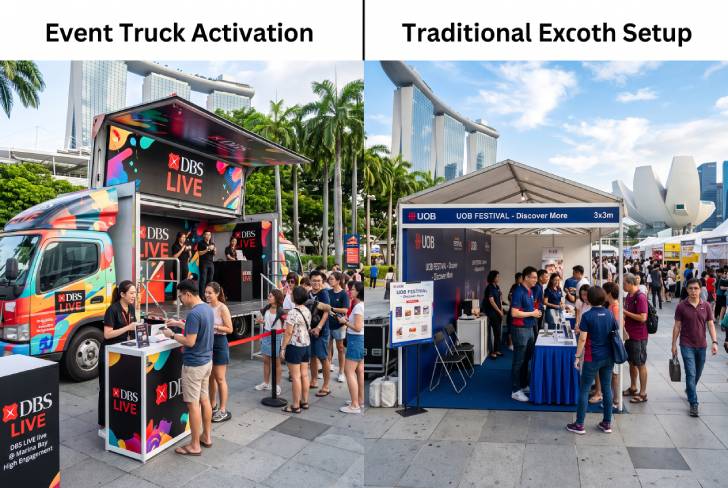
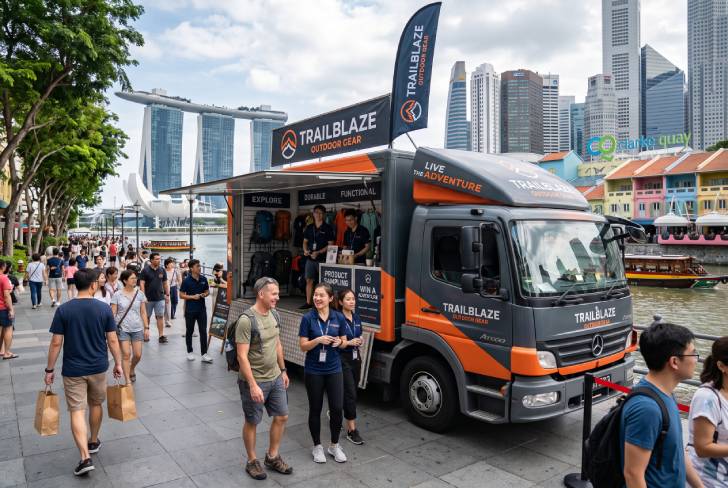
Strong visibility can come from booth design, signage, lighting, branded displays, event trucks, product showcases, LED screens, or clear campaign colours. These elements help customers notice the campaign from a distance.
However, visibility should not only be about being loud or visually heavy. A campaign can be noticeable while still looking clean and professional. The key is to make the brand easy to recognise and the campaign easy to understand.
If customers cannot quickly tell what the campaign is about, visibility alone may not lead to participation.
Engagement Gives Customers a Reason to Stay
After customers notice the campaign, they need a reason to engage.
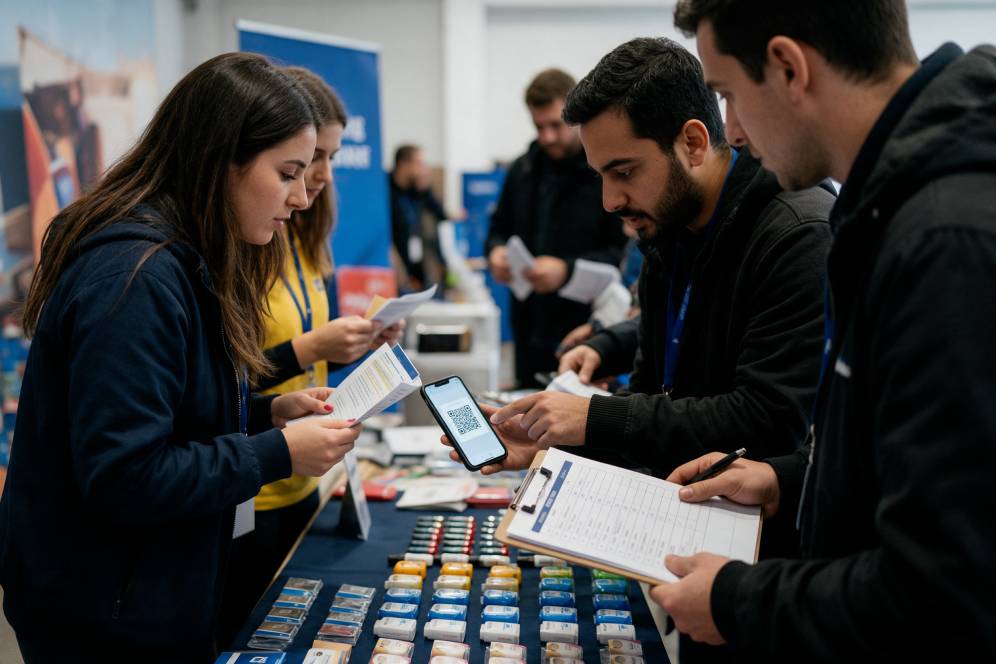
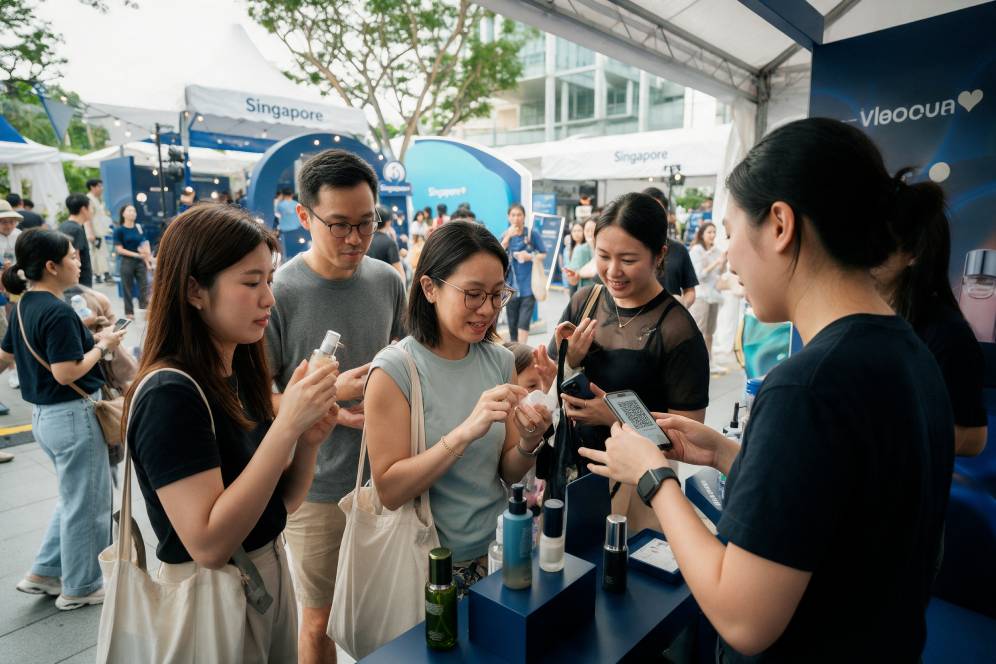
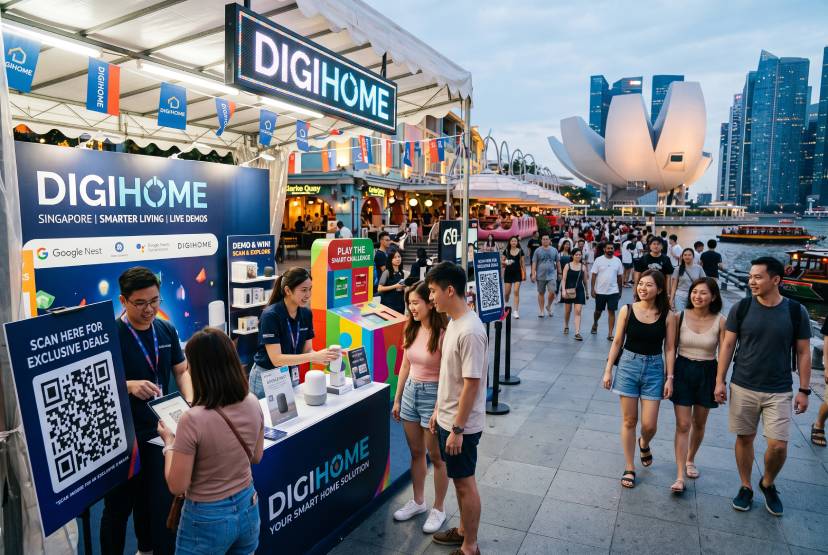
Engagement is the part of the campaign that turns attention into interaction. This may include a product trial, live demonstration, sampling activity, game, quiz, consultation, QR redemption, or promoter conversation.
A campaign with good engagement helps customers experience the brand instead of only seeing it. This is important because people are more likely to remember something they took part in.
For example, customers may forget a banner they walked past, but they may remember tasting a product, receiving a recommendation, scanning for a voucher, or speaking with a helpful promoter.
Visibility brings people closer. Engagement gives them a reason to care.
Visibility Without Engagement Can Feel Empty
Some event campaigns look impressive from the outside but do not give customers much to do.
A large booth, bright visuals, or eye-catching display may attract attention at first. However, if there is no clear activity, product explanation, or next step, customers may not stay long.
This can happen when the campaign focuses too much on appearance and not enough on customer experience. Customers may take a quick look, but they may not understand the product benefit or feel motivated to participate.
A good campaign should not only ask, “Will people notice us?” It should also ask, “What happens after they notice us?”
Engagement Without Visibility May Not Reach Enough People
On the other hand, a campaign may have a good activity but poor visibility.
For example, the product demo may be useful, the promoters may be friendly, and the reward may be relevant, but if customers cannot see the campaign clearly, fewer people may stop.
This is why visibility still matters. The campaign needs to be easy to spot, easy to approach, and easy to understand from the outside.
Clear signage, open layout, strong product display, and good promoter positioning can help customers notice the activity and feel invited to join.
A strong campaign does not hide the engagement. It makes the interaction visible enough to attract more customers.
The First Impression Should Lead to Participation
The best event campaigns use visibility to guide customers into engagement.
A clear first impression should show customers what the campaign is about and what they can do next. If the campaign offers a product trial, the product should be visible. If the campaign includes a game, the activity should look easy to join. If the goal is QR registration, the benefit of scanning should be clear.
Make the Main Message Clear
Customers should quickly understand the campaign’s main idea. A short headline, simple offer, or clear product benefit can help.
Show the Action Point
The campaign should make the first action obvious, whether customers should try, scan, ask, join, redeem, or watch.
When the first impression naturally leads to participation, visibility and engagement become connected.
Promoters Help Connect Attention with Interaction
Promoters are important because they help move customers from noticing the campaign to joining it.
A customer may slow down after seeing the booth, but a friendly promoter can help start the interaction. The promoter can explain the offer, invite the customer to try something, answer questions, and guide the next step.
Promoters should not only repeat a script. They should understand the campaign goal, product benefit, activity flow, and final call-to-action.
A good promoter approach makes the campaign feel welcoming. This helps customers feel comfortable enough to participate instead of simply looking and walking away.
Product Displays Should Support Both Visibility and Engagement
A product display can help customers notice the campaign and understand what it offers.
A good display should be visible from the customer’s walking direction. It should also be arranged in a way that supports interaction. Customers should be able to see the product, understand the main benefit, and ask questions easily.
If the display is too cluttered, customers may not know where to focus. If it is too hidden, it may not attract attention. If it looks good but does not support product explanation, it may not help engagement.
The best product displays work as both a visual attraction and a conversation starter.
Activities Should Be Easy to Understand
Interactive activities can improve engagement, but they need to be simple enough for customers to understand quickly.
A game, quiz, demo, sampling activity, or QR redemption should not require too much explanation before customers can join. If the activity looks complicated, people may hesitate.
The activity should also connect to the campaign message. If customers enjoy the activity but do not remember the product or brand, the engagement may not create strong value.
A good event agency in Singapore helps brands design activities that are visible, easy to join, and connected to the campaign objective.
Digital Touchpoints Can Extend Engagement
Digital touchpoints can help connect the live campaign with online follow-up.
These may include QR codes, online forms, digital vouchers, surveys, social media pages, WhatsApp enquiries, product guides, or landing pages. When planned well, they help customers continue the experience after leaving the event space.
However, digital touchpoints must be clear. Customers should know why they are scanning or registering. A message like “Scan to Redeem Your Voucher” is stronger than simply “Scan Here.”
Digital engagement works best when it feels like a useful next step, not an extra task.
The Campaign Should Match the Location
The right balance between visibility and engagement depends on the campaign location.
In a busy mall, the campaign may need strong visuals and quick participation. In a retail space, it may need product comparison and promoter explanation. In an outdoor area, visibility may need to be stronger because customers are moving from a distance. In a mobile event setup, the exterior design may attract attention before the customer approaches.
An event campaign should be planned around how customers behave in that location. This helps the brand choose the right layout, message, activity, and manpower.
Why the Right Event Agency Matters
A reliable event agency in Singapore helps brands plan visibility and engagement together.
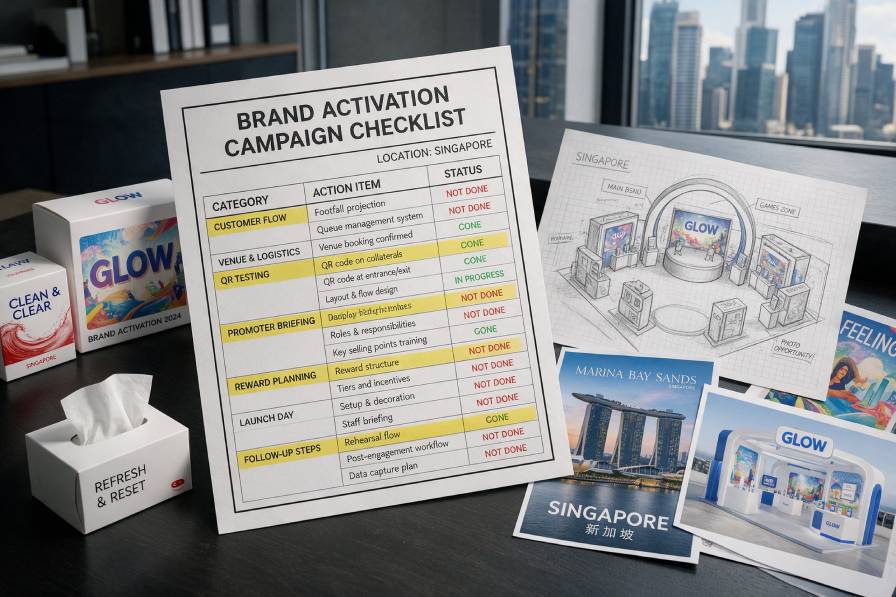
The agency can support campaign concept, event format, booth layout, signage, product display, promoter briefing, activity design, digital touchpoints, customer flow, and post-campaign review.
This support is useful for roadshows, product launches, sampling campaigns, retail activations, mobile event spaces, event truck campaigns, and interactive brand experiences.
The right agency understands that a campaign should not only be seen. It should also give customers a clear and meaningful reason to participate.
Conclusion
A good event campaign needs both visibility and engagement because customers must first notice the campaign before they can participate, and they must participate before the campaign can create deeper impact.
Visibility helps the brand stand out. Engagement helps customers connect with the brand through product trials, conversations, activities, digital touchpoints, and clear next steps.
An experienced event agency in Singapore helps brands bring these elements together so the campaign feels attractive, easy to understand, and worth joining.
When visibility and engagement work together, an event campaign becomes more than a display. It becomes a customer experience that can create stronger recall, better interaction, and more meaningful results.