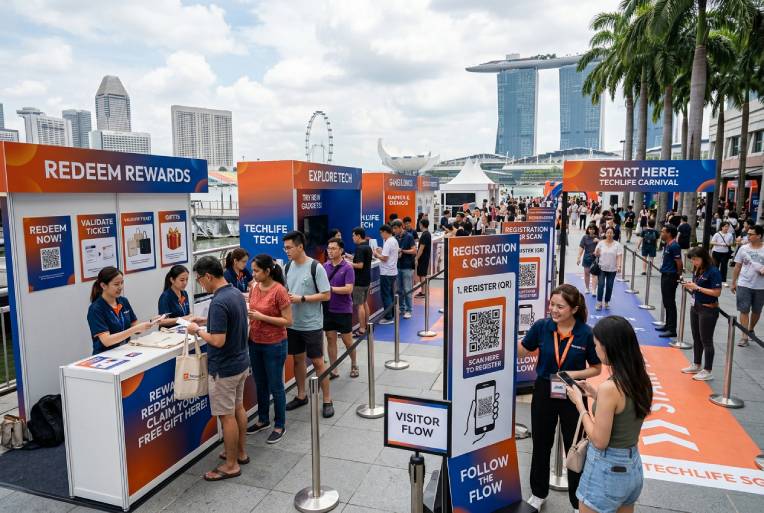
A brand activation campaign may attract attention at the beginning, but not every customer will complete the full journey. Some may stop briefly and walk away. Some may join the activity but skip the QR registration. Others may try a product but forget to redeem the offer or take the next step.
These moments are known as customer drop-off points. They happen when customers lose interest, feel confused, face too much friction, or do not see enough value to continue.
The best activation agency in Singapore plans for these drop-off points before the campaign begins. Instead of only focusing on how to attract customers, a strong agency looks at where customers may leave the experience and how to keep them moving naturally toward the campaign goal.
When drop-off points are managed well, the campaign becomes smoother, more engaging, and more effective.
What Are Customer Drop-Off Points?
Customer drop-off points are moments where customers stop engaging with the campaign before completing the intended action.
This can happen at different stages of a brand activation. A customer may notice the booth but not approach. They may approach but avoid speaking to a promoter. They may join a game but not scan the QR code. They may scan the QR code but abandon the form. They may try a sample but leave without understanding where to buy the product.
Common Drop-Off Examples
Common drop-off points include unclear signage, crowded layouts, long queues, complicated activity steps, slow digital forms, weak rewards, pushy promoter approaches, or unclear next actions.
These issues may seem small, but they can affect campaign results significantly. If many customers drop off at the same stage, the campaign may fail to achieve its main objective.
Why Drop-Off Planning Matters in Brand Activation
Brand activation is not only about creating a memorable setup. It is about guiding customers through a journey.
The journey may begin with attention, then move into approach, participation, product trial, product explanation, QR scanning, reward redemption, enquiry, or follow-up. If customers drop off too early, the brand may lose the opportunity to build understanding and interest.
Drop-off planning helps brands identify possible friction before campaign day. This allows the event team to simplify steps, adjust layout, improve messaging, prepare promoters, and make the experience easier to complete.
A campaign that considers drop-off points is more customer-friendly because it respects how people behave in real event environments.
Customers May Drop Off Before They Approach
One of the earliest drop-off points happens before customers even enter the campaign space.
They may notice the booth but feel unsure about what is being offered. They may not understand whether the activity is open to them. They may feel the setup looks too crowded, too formal, or too complicated.
How Agencies Reduce Early Drop-Off
A strong activation agency reduces early drop-off through clear entry points, simple campaign messages, open booth layouts, and friendly promoter positioning.
The first message should quickly explain what customers can do. For example, “Try a Free Sample,” “Scan to Redeem,” or “Join the Game” gives customers a clear reason to stop.
When customers understand the first step, they are more likely to approach.
Complicated Activities Can Cause Drop-Off
Interactive activities can improve engagement, but they can also create drop-off if they are too complicated.
If customers need to listen to a long explanation before joining, they may lose interest. If the activity takes too long, others may avoid the queue. If the game is not connected to the product, customers may participate only for the reward and forget the brand.
The activity should be simple enough for customers to understand quickly. It should also connect clearly to the campaign message.
A good activation agency helps brands design activities that are easy to join, easy to explain, and easy to complete.
Digital Steps Are a Common Drop-Off Point
Many brand activations include digital touchpoints such as QR codes, online forms, surveys, games, e-vouchers, or app downloads.
These tools are useful, but they can create drop-off if the process feels difficult. Customers may abandon the journey if the page loads slowly, the form is too long, the instructions are unclear, or the benefit is not obvious.
Improving Digital Completion
To reduce digital drop-off, the journey should be tested before campaign day. QR codes should work properly, landing pages should be mobile-friendly, forms should be short, and the reward should be clearly explained.
Instead of using a vague message like “Scan Here,” a stronger instruction would be “Scan to Redeem Your Voucher” or “Scan to Join the Lucky Draw.”
Clear value encourages completion.
Long Queues Can Reduce Participation
A busy campaign may look successful, but if the queue is too long or poorly managed, customers may leave before joining.
Queue-related drop-off often happens when there is only one activity point, slow registration, unclear waiting areas, or limited promoter support.
An activation agency can help brands plan queue flow by separating activity, registration, sampling, and reward areas where needed. Promoters can also guide customers, explain waiting time, or offer a faster engagement option for visitors who do not want to wait.
Good queue planning keeps the campaign organised and reduces frustration.
Weak Product Explanation Can Cause Interest to Fade
Some customers may participate in a campaign but still drop off mentally because they do not understand the product benefit.
They may remember the game, gift, or sample, but not the brand message. This is a missed opportunity.
Product explanation should be clear and customer-focused. Promoters should explain the benefit in simple language, and displays should support the message visually.
For example, instead of listing many features, the campaign can focus on one main customer benefit. Once customers show interest, promoters can share more details.
The best activation agency in Singapore helps brands make product messages easier to understand during live engagement.
Customers May Drop Off After the First Interaction
Another common drop-off point happens after customers complete the first activity.
They may try a product, receive a sample, or join a game, but leave without taking any next action. This can happen when the campaign does not have a clear call-to-action.
A strong activation campaign should guide customers toward the next step. This may include scanning for a voucher, following the brand, submitting feedback, visiting a store, speaking to a consultant, or saving an offer for later.
The next step should feel natural and relevant, not forced.
Promoters Help Prevent Drop-Off
Promoters play an important role in keeping customers engaged throughout the campaign journey.
They can invite customers, explain the activity, answer questions, guide the next step, support QR scanning, manage queues, and encourage reward redemption.
However, promoters need proper briefing. They should understand where customers may lose interest and how to guide them smoothly.
For example, if customers often hesitate at the QR step, promoters should explain the benefit clearly. If customers leave after trying the product, promoters should remind them about the offer or next action.
Good promoter support can turn possible drop-off moments into continued engagement.
Drop-Off Points Can Reveal Useful Campaign Insights
Drop-off points are not only problems. They also provide useful learning.
If customers leave before scanning the QR code, the digital step may need to be simplified. If customers avoid the booth, the entry message may not be clear enough. If many customers try the product but do not ask questions, the product benefit may need stronger explanation.
After the campaign, the agency and brand can review promoter feedback, QR scans, form completion rates, sample distribution, enquiry numbers, and customer comments.
These insights help improve future campaigns.
Why the Right Activation Agency Matters
Planning for drop-off points requires experience and attention to customer behaviour.
The right activation agency helps brands review the campaign from the customer’s point of view. It considers where customers may hesitate, feel confused, lose interest, or leave the journey.
This includes planning the entry point, message clarity, campaign layout, activity mechanics, promoter briefing, queue management, digital touchpoints, reward process, and final call-to-action.
For roadshows, product launches, retail activations, sampling campaigns, mobile event spaces, and interactive brand experiences, this planning can make the campaign smoother and more effective.
Conclusion
Customer drop-off points matter because not every customer who notices a campaign will complete the full journey.
The best activation agency in Singapore plans for these moments by making the campaign easier to approach, understand, join, and complete. Clear signage, simple activities, smooth digital steps, organised queues, helpful promoters, strong product explanation, and clear next actions all help reduce drop-off.
When brands plan for where customers may lose interest, they can create more effective activation campaigns.
A campaign that reduces drop-off does not only attract attention. It keeps customers engaged long enough to understand the brand, participate meaningfully, and take the next step.