A brand activation campaign can look creative, colourful, and impressive, but it may still fail if customers do not know how to join. In live campaigns, usability matters because customers need to understand the experience quickly and participate without confusion.
Campaign usability means how easy the activation is for real customers to notice, enter, understand, join, and complete. It covers the full customer journey, from the first visual impression to the final call-to-action.
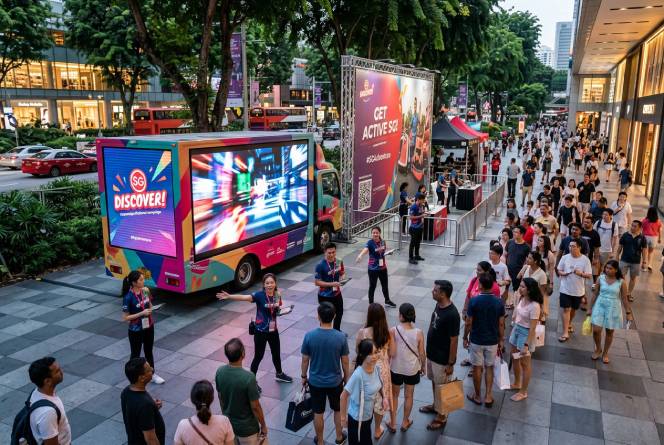
The best activation agency in Singapore does not only focus on how a campaign looks. It also focuses on how the campaign works for customers in real environments such as malls, roadshows, retail spaces, business districts, and high-traffic public areas.
When a campaign is usable, customers are more likely to stop, engage, try the product, scan the QR code, redeem an offer, ask questions, or remember the brand after the experience.
What Campaign Usability Means in Brand Activation
Campaign usability is about making the activation easy to experience.
Customers should be able to understand what the campaign is about, what they can do, where to begin, and what action to take next. If the campaign requires a QR scan, game, product trial, survey, or redemption step, the process should be simple and clear.
A usable campaign usually has clear messaging, visible entry points, simple activity instructions, smooth customer flow, well-trained promoters, and practical digital tools.
It does not mean the idea has to be boring. A campaign can still be creative and visually attractive. The key is that creativity should not make the experience harder to join.
Customers Decide Quickly Whether to Participate
In many activation spaces, customers only give a campaign a few seconds of attention.
They may be walking past a roadshow, browsing in a retail store, heading to lunch, or moving through a crowded mall. If the campaign looks unclear, they may not stop to figure it out.
This is why usability matters from the first moment. The main message should be easy to see. The activity should look approachable. The first step should be obvious.
For example, “Try a Free Sample,” “Scan to Redeem,” or “Join the Game” gives customers a clear reason to stop. A campaign that requires too much explanation before customers understand it may lose attention quickly.
Clear Entry Points Make Campaigns Easier to Join
A strong activation campaign needs a clear entry point.
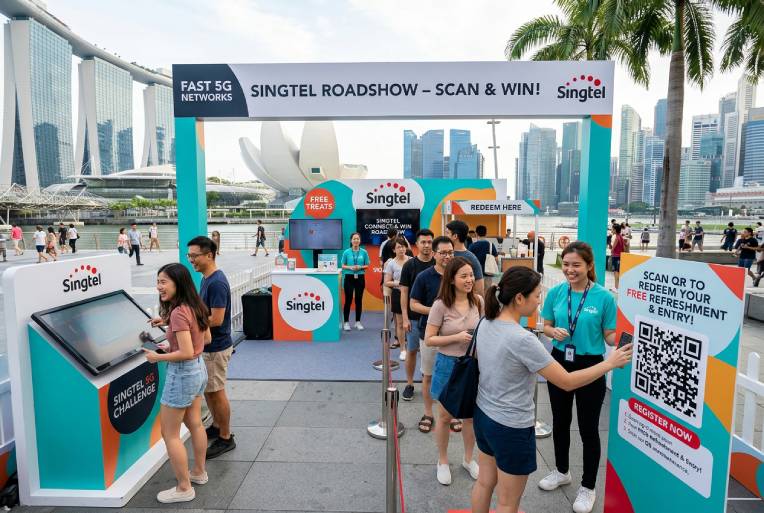
The entry point is where the customer begins the experience. It may be a sampling counter, product display, promoter invitation, activity station, QR stand, or open booth entrance.
If customers cannot tell where to start, they may hesitate. A good activation agency plans the layout so the campaign feels open and easy to approach.
Counters, banners, products, and activity zones should not block the customer’s path. Promoters should be positioned where they can invite customers naturally. The first visible message should explain the campaign quickly.
A clear entry point makes the campaign feel welcoming instead of confusing.
Simple Instructions Improve Participation
Even when customers are interested, complicated instructions can reduce participation.
If an activity has too many steps, customers may feel that it takes too much effort. If a QR form is too long, they may abandon it halfway. If a game requires too much explanation, the queue may slow down.
The best activation agency in Singapore helps brands simplify the participation process. The activity should be easy to explain and easy to complete.
A good campaign may use short instructions such as:
- Scan to join
- Try the sample
- Answer one question
- Pick your preferred option
- Redeem your reward
Simple instructions reduce hesitation and help customers move through the campaign smoothly.
Promoters Are Part of Campaign Usability
Promoters do more than attract attention. They help customers understand and complete the experience.
A well-briefed promoter can explain the campaign in a short and friendly way. They can guide customers through the activity, answer questions, and connect the experience back to the brand message.
If promoters are unclear or inconsistent, the campaign becomes harder to use. Customers may receive different instructions from different team members, causing confusion.
Promoter briefing should cover the main message, customer flow, activity steps, product information, common questions, and call-to-action. When promoters understand the campaign properly, customers feel more comfortable participating.
Usability Helps Customers Understand the Product
Brand activation often aims to help customers understand a product through trial, demonstration, sampling, or face-to-face explanation.
If the campaign is not usable, the product message may be lost. Customers may remember the game or giveaway, but not the product benefit.
A usable campaign connects each step to product understanding. For example, a product demo should show the main benefit clearly. A sampling activity should include a short product explanation. A quiz should help customers discover a relevant feature or recommendation.
When usability is planned well, the campaign makes the product easier to understand instead of distracting from it.
Digital Tools Should Support the Experience
Many brand activations use digital tools such as QR codes, mobile forms, interactive screens, digital games, surveys, or e-vouchers.
These tools can improve engagement and measurement, but only if they are easy to use.
A digital step should load quickly, look simple on mobile, and clearly explain the benefit. Customers should know why they are scanning or registering. If the process is slow, confusing, or too long, they may lose interest.
The best activation agency in Singapore checks the digital journey before the campaign goes live. This helps prevent problems during the actual event and keeps participation smooth.
Usability Supports Better Customer Flow
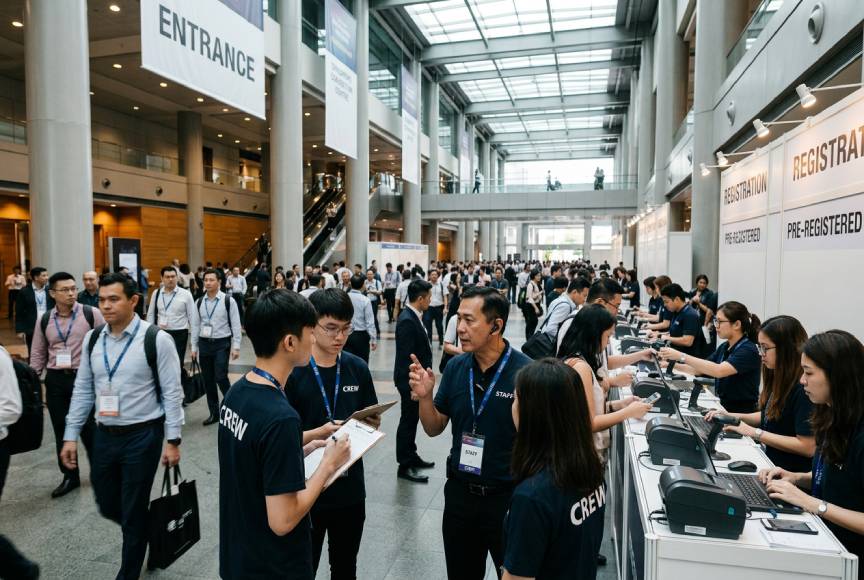
A campaign may attract many people, but without good flow, the experience can become messy.
Customer flow includes how people enter the space, where they stand, how they join the activity, how they receive information, and how they exit after completing the action.
Good usability helps prevent crowding, long confusion points, and blocked pathways. It also helps promoters manage customers more efficiently.
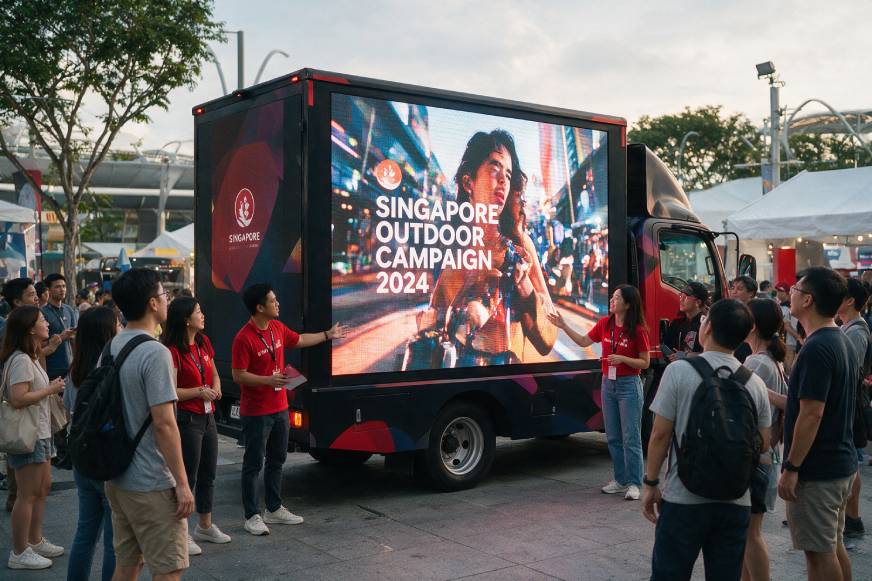
For roadshows, retail activations, and mobile campaigns, this is especially important because space may be limited. A simple and organised flow can make the campaign feel more professional and comfortable.
Campaign Usability Improves Results
Usability is not only about customer comfort. It also affects performance.
When customers understand the campaign and can complete the steps easily, brands are more likely to achieve their goals. This may include product trials, lead collection, voucher redemption, QR scans, app downloads, survey responses, enquiries, or sales interest.
A campaign that is difficult to join may lose customers even if the creative idea is strong. A campaign that is easy to use gives more people the chance to participate.
This is why usability should be considered from the planning stage, not only during event setup.
Why the Right Activation Agency Matters
The right activation agency helps brands balance creativity, practicality, and customer experience.
A campaign should look attractive, but it should also work smoothly on the ground. The agency can help plan the campaign concept, booth layout, entry point, activity mechanics, promoter briefing, digital tools, customer flow, and final call-to-action.
This support is important because live campaigns happen in real environments where customers may be busy, distracted, hesitant, or unfamiliar with the product.
The best activation agency in Singapore understands that a campaign must be easy for customers to use before it can become truly effective.
Conclusion
Campaign usability matters because customers are more likely to engage when an activation feels easy to understand and simple to join.
A usable campaign has clear messaging, visible entry points, simple instructions, trained promoters, smooth digital steps, organised flow, and a clear next action. These details help customers move from first attention to meaningful participation.
The best activation agency in Singapore focuses on campaign usability because it improves both customer experience and campaign results.
When an activation is easy to join, customers are more comfortable, more engaged, and more likely to remember the brand.