Brand activation is often seen as a way to promote a product, give out samples, attract attention, or increase campaign visibility. While promotion is part of the process, a strong activation campaign should do more than tell customers that a brand exists.
It should create an experience that customers can understand, join, remember, and connect with.
This is why working with an experienced activation agency in Singapore can make a difference. A good agency does not only help brands set up a booth or run an event. It helps shape the customer experience behind the campaign, from the first impression to the final action.
When brand activation focuses only on promotion, the campaign may attract short-term attention. When it focuses on customer experience, it can create stronger trust, better engagement, and deeper brand recall.
Promotion Gets Attention, but Experience Builds Connection
Promotion is useful because it helps people notice a product or offer. It may involve campaign signage, giveaways, discounts, samples, banners, or digital ads that support the live campaign.
However, attention alone does not always create interest. A customer may see a booth, take a flyer, receive a free item, and walk away without understanding the brand.
Customer experience goes further. It considers how people feel when they approach the campaign, how easy it is to participate, how clearly the product is explained, and whether the interaction feels valuable.
A campaign that focuses on experience gives customers a reason to stay longer and engage more meaningfully. Instead of only asking, “How can we promote this product?”, brands should ask, “What should customers experience so they understand and remember us?”
Customers Remember How the Campaign Feels
Customers may not remember every product detail or promotion message. However, they are more likely to remember whether the campaign felt clear, enjoyable, helpful, or confusing.
A positive customer experience can make the brand feel more professional and trustworthy. This is especially important in on-ground campaigns, where customers interact with the brand in real life.
For example, a skincare campaign may be more memorable when customers receive a guided product recommendation instead of only seeing a product display. A food brand may create stronger interest when customers taste the product, hear one key benefit, and receive a relevant follow-up offer.
The experience should support the brand message. If the brand wants to communicate convenience, the activation should feel simple and easy. If the brand wants to communicate innovation, the campaign may include digital interaction or a unique product demonstration.
A Good Activation Makes Participation Easy
One of the most important parts of customer experience is ease of participation.
Customers in Singapore’s malls, business districts, heartland areas, retail stores, and event spaces are often moving quickly. If the campaign looks complicated, they may not stop.
A good activation makes the next step clear. Customers should understand what the campaign is about, where to begin, what they need to do, and what they will receive after participating.
This can be achieved through clear signage, open layout, friendly promoters, simple activity mechanics, and a smooth customer flow.
When the experience feels easy to join, customers are more likely to participate. When it feels confusing, even a strong promotion may not perform well.
Customer Experience Helps Explain the Product Better
Brand activation is especially useful when customers need to understand a product before they feel confident.
Some products cannot be explained well through a poster or short advertisement alone. Customers may need to see how the product works, taste it, test it, compare it, ask questions, or receive a short demonstration.
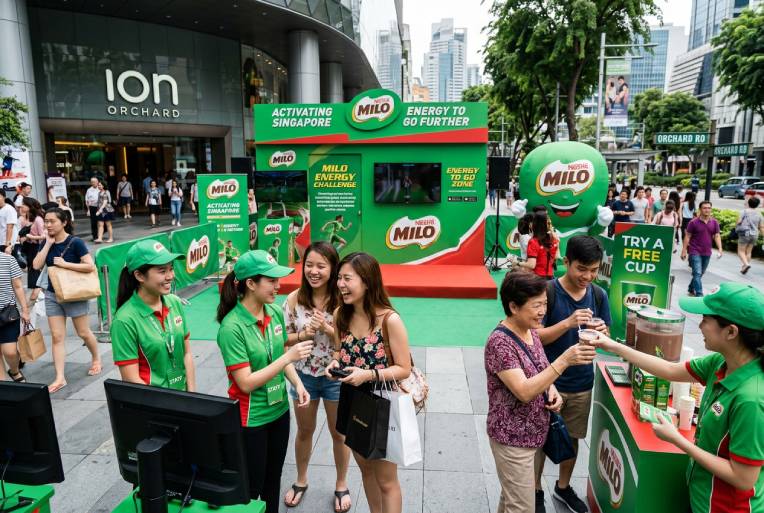
An activation campaign can turn product education into a live experience. Instead of simply listing product benefits, the campaign can show them through demonstrations, trials, sampling, interactive screens, or promoter-led conversations.
This makes the product easier to understand and easier to trust.
For brands launching new products or introducing unfamiliar features, customer experience should be planned carefully. The activation should reduce hesitation and help customers feel more confident about the product.
Promoters Are Part of the Experience
Promoters and brand ambassadors have a major effect on how customers experience the campaign.
A booth may look attractive, but if the promoter is unclear, too aggressive, or unable to answer questions, the customer experience may suffer. On the other hand, a friendly and well-briefed promoter can make the campaign feel more welcoming and trustworthy.
Promoters should understand the product, the campaign message, the activity flow, and the correct customer approach. They should know how to invite people naturally, explain the offer clearly, and guide customers towards the next step.
The best activation agency in Singapore understands that manpower is not just staffing. It is part of the brand experience.
Interactive Elements Make Engagement More Meaningful
Interactive activities can help customers participate instead of only watching.
This may include digital games, QR activities, product quizzes, photo moments, spin-and-win activities, demonstrations, surveys, or hands-on product trials. These activities make the campaign more engaging and create opportunities for the brand to communicate naturally.
However, interaction should not be added only for entertainment. It should connect back to the campaign message.
For example, a product quiz can help customers learn about product benefits. A sampling activity can encourage feedback. A digital game can guide customers towards QR registration or voucher redemption.
The goal is to make engagement enjoyable while still supporting the brand objective.
Experience Creates Stronger Brand Recall
A promotion may create a quick response, but a good experience can create stronger memory.
Customers are more likely to remember a campaign when they actively participate. They may remember trying a product, speaking with a helpful promoter, joining a game, receiving a personalised recommendation, or taking part in a unique roadshow activity.
Brand recall improves when the experience is consistent. The visuals, message, activity, promoter explanation, product display, and reward should all support the same idea.
If every part of the campaign works together, customers leave with a clearer impression of the brand. If the elements feel disconnected, they may remember the activity but forget the product.
A Customer-Focused Campaign Can Support Better Results
Customer experience is not only about making the campaign feel nicer. It can also support better campaign outcomes.
When customers feel comfortable and interested, they are more likely to take action. This may include trying a product, scanning a QR code, registering for an offer, completing a survey, downloading an app, visiting a store, making an enquiry, or following the brand online.
A customer-focused activation can improve:
- Participation quality
- Product understanding
- Lead collection
- Feedback response
- Voucher redemption
- Sales enquiries
- Brand recall
These results are stronger when the campaign experience is planned around what customers need, not only what the brand wants to promote.
The Experience Should Continue After the Campaign
A strong activation does not need to end when the customer leaves the event space.
Digital touchpoints can help continue the relationship. Customers may receive an online voucher, follow-up message, product information, social media reminder, or invitation to visit a retail outlet.
This follow-up should feel connected to the live experience. For example, after a product trial, customers may receive a discount code. After a quiz, they may receive a recommendation. After a roadshow visit, they may receive a link to learn more or make an enquiry.
When follow-up is planned properly, the activation becomes part of a wider customer journey instead of a one-time promotional activity.
Why the Right Activation Agency Matters
A customer-focused campaign requires more than event setup. It needs planning, creative thinking, manpower coordination, activity design, campaign flow, product understanding, logistics, and post-campaign review.
The right activation agency in Singapore helps brands design the full experience. It considers how customers notice the campaign, how they join, what they learn, how they interact, what they receive, and what happens next.
This is why the best activation agency in Singapore should not only provide supplies or manpower. It should help brands create meaningful customer experiences that support real marketing objectives.
For campaigns such as roadshows, product sampling, mobile event activations, retail engagement, and product launches, this experience-led approach can make the campaign more effective and memorable.
Conclusion
Brand activation should focus on customer experience, not just promotion, because customers need more than visibility before they become interested.
A strong activation helps customers notice the brand, understand the message, interact with the product, enjoy the experience, and take a meaningful next step.
An experienced activation agency in Singapore can help brands move beyond basic promotion by designing campaigns that are clear, engaging, approachable, and connected to the customer journey.
When customers have a positive experience, they are more likely to trust the brand, remember the campaign, and continue the relationship after the activation ends.