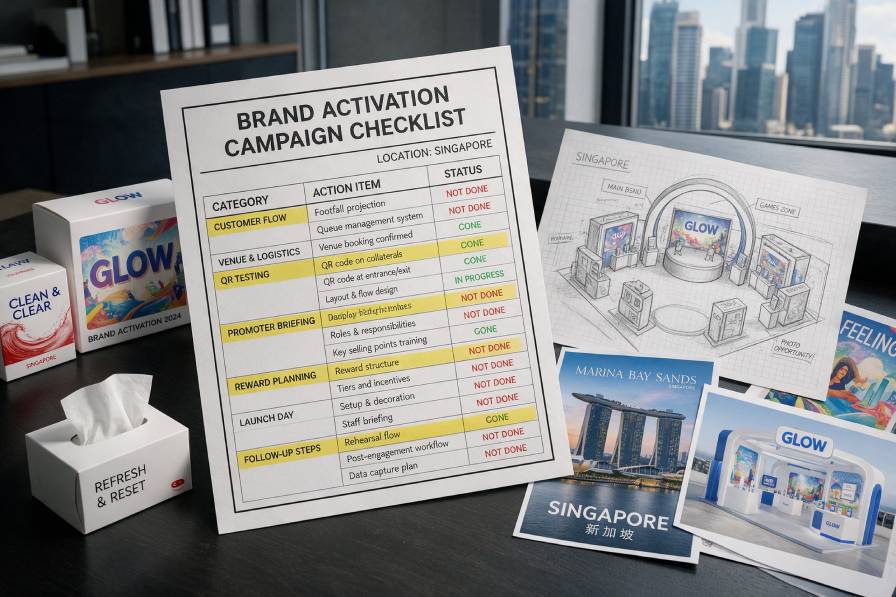
Planning a brand activation campaign is not only about choosing a location, setting up a booth, and preparing promotional materials. A campaign may look ready on the surface, but small planning gaps can affect how customers experience the activation.
Many brands focus on the big idea, visuals, and giveaways, but miss important details such as customer flow, promoter briefing, QR testing, reward relevance, and the final call-to-action. These details can decide whether the campaign feels smooth and professional or confusing and difficult to join.
This is why working with the best activation agency in Singapore can help. A good agency looks at the full customer journey and identifies what may be missing before the campaign goes live.
A Clear Campaign Objective
One thing brands often miss is a clear campaign objective.
A brand activation should not be planned only around the idea of “getting attention.” The team should know what the campaign is trying to achieve. Is the goal product trial, customer education, lead collection, voucher redemption, store visits, feedback, or sales enquiries?
Without a clear campaign objective, the activation may include too many activities and messages. Customers may enjoy the setup but leave without taking any meaningful action.
A clear objective helps guide the message, layout, activity, promoter script, and follow-up plan.
The Customer Journey
Many campaigns look good from the outside but do not guide customers properly.
The customer journey should explain what happens from the moment customers notice the campaign until they complete the final action. Customers should know where to start, what to do, where to scan, where to try the product, and what happens after participation.
If this journey is unclear, customers may drop off halfway. They may join an activity but miss the product explanation, scan a QR code but not redeem the offer, or take a sample without understanding the brand.
A good activation plan should make every step feel natural and easy to follow.
A Simple Message Customers Can Understand Quickly
Another common mistake is trying to say too much.
Brands may want to explain every product feature, promotion detail, and brand story in one campaign. However, customers in live event spaces usually do not have time to process too much information.
A simple message helps customers understand the activation quickly. It should explain what the campaign is about, why it matters, and what customers can do.
What Customers Need to Know First
Customers first need to know the main benefit and the first action.
What Can Come Later
More detailed information can be shared through promoters, product displays, QR pages, brochures, or follow-up messages.
This keeps the campaign clear without losing important information.
Promoter Briefing
Promoters are often responsible for turning campaign interest into real engagement. However, some brands do not brief promoters clearly enough before the campaign starts.
Promoters need to understand the campaign objective, product benefits, activity steps, customer approach, reward rules, QR process, and final call-to-action.
If promoters are not aligned, customers may receive different explanations from different team members. This can make the activation feel unprofessional.
A proper promoter briefing helps the team communicate clearly and consistently.
Customer Flow and Space Planning
Customer flow is easy to overlook, but it has a big impact on the activation experience.
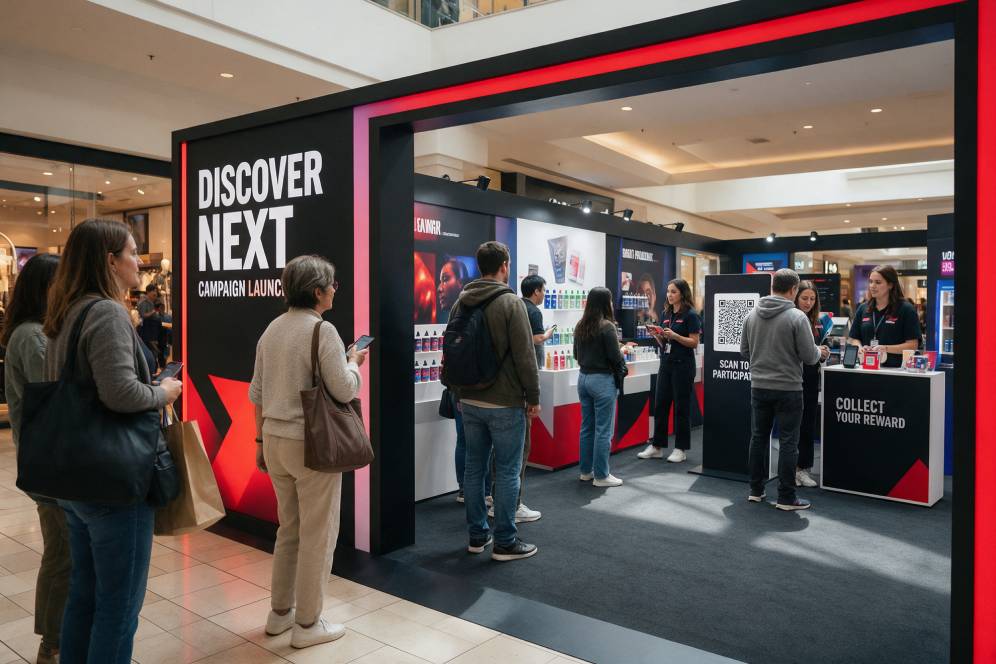
Customers should know where to enter, where to stand, where to join the activity, where to scan, and where to collect rewards. If the space feels blocked or crowded, customers may avoid joining.
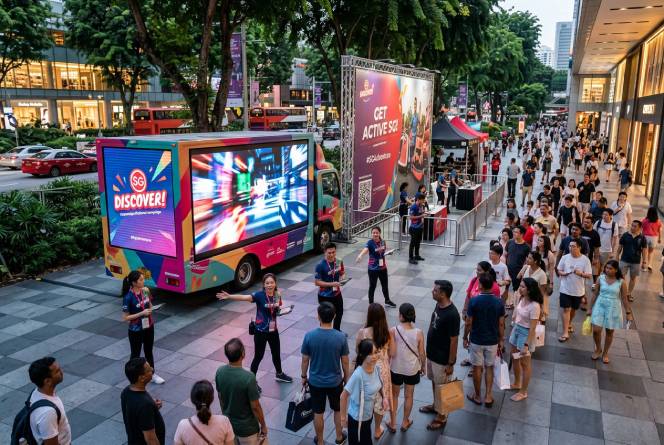
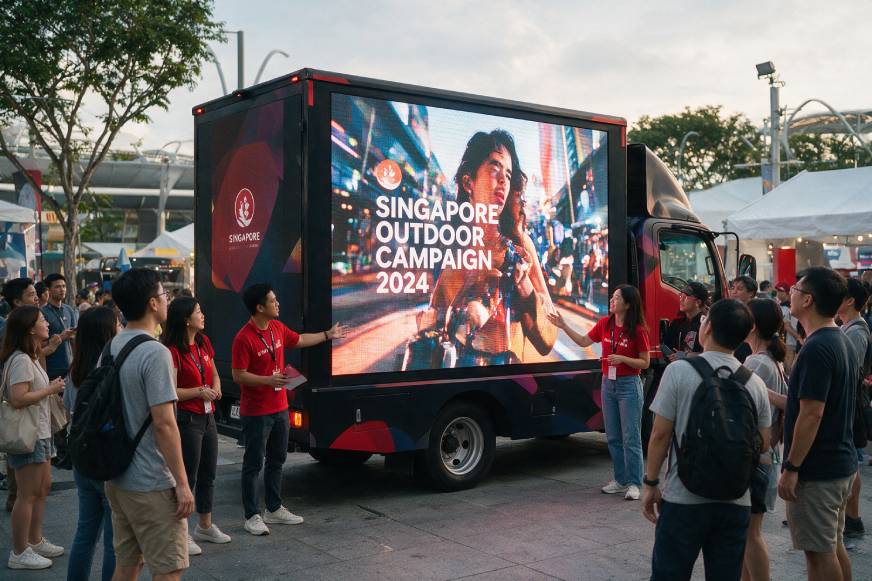
Good space planning is especially important for roadshows, mall campaigns, retail activations, and mobile event spaces where space may be limited.
The campaign should be designed around how customers naturally move, not only how the booth looks from the front.
Digital Touchpoints and QR Testing
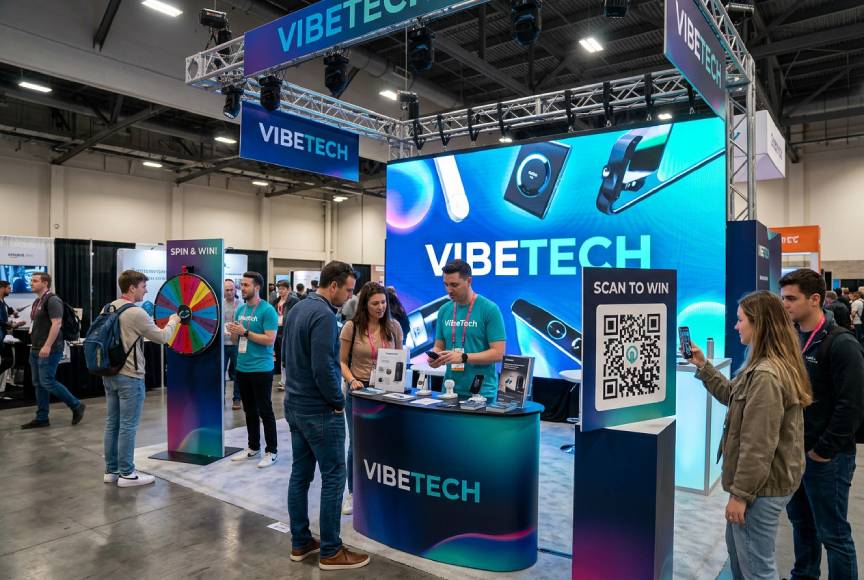
Many activations now use digital touchpoints such as QR codes, online forms, digital vouchers, surveys, app downloads, or campaign landing pages.
Brands sometimes add these tools without fully testing the customer experience. If the QR code does not work, the page loads slowly, or the form is too long, customers may abandon the process.
Digital touchpoints should be simple, fast, and clearly connected to the campaign benefit. Customers should know why they are scanning and what they will receive.
Testing these details before campaign day can prevent avoidable problems.
Reward Relevance
Giveaways can attract people, but not every reward supports the campaign goal.
A random gift may bring customers to the booth, but it may not help them remember the product or take the next step. A better reward should connect to the brand, product, or campaign journey.
For example, a product sample supports trial. A voucher encourages future purchase. A product guide supports education. A consultation offer helps move interested customers closer to enquiry.
Reward relevance makes the campaign more meaningful and helps customers remember why they participated.
Product Explanation
Some brands assume customers will understand the product just by seeing it.
In reality, many customers need a short and clear explanation before they see the value. This is especially true for new products, services, technology, wellness products, beauty products, and items with specific usage benefits.
The activation should make the product explanation easy through signage, product displays, promoter conversations, live demonstrations, or simple comparison points.
The goal is not to overload customers with information. The goal is to help them understand the most important product benefit quickly.
The Final Call-to-Action
A brand activation should not end with customers simply walking away.
The final call-to-action tells customers what to do next. This may include scanning a QR code, redeeming a voucher, visiting a store, following the brand online, submitting an enquiry, booking a consultation, or saving an offer.
If the final call-to-action is unclear, the campaign may attract attention but fail to create useful results.
A strong call-to-action should be visible, easy to understand, and connected to the campaign objective.
Post-Campaign Review
Some brands focus only on campaign day and forget to review what happened after the activation ends.
A post-campaign review helps brands understand what worked and what should be improved. The team can look at customer participation, QR scans, leads collected, product trials, voucher redemptions, promoter feedback, customer questions, and overall flow.
This review helps future campaigns become stronger. It also shows whether the campaign achieved the original objective.
A good agency does not only help brands execute. It also helps brands learn.
Why the Right Activation Agency Matters
The best activation agency in Singapore helps brands notice the details that are easy to miss.
This includes campaign objective, message clarity, customer journey, promoter briefing, customer flow, digital touchpoints, reward relevance, product explanation, final call-to-action, and post-campaign review.
These details may seem small, but they affect how customers experience the activation and whether they take meaningful action.
For roadshows, product launches, sampling campaigns, retail activations, mobile event spaces, and interactive brand experiences, proper planning helps the campaign feel more organised, professional, and effective.
Conclusion
Brands often miss important details when planning a brand activation campaign because they focus too much on the setup and not enough on the full customer experience.
A successful activation needs more than visuals and giveaways. It needs a clear campaign objective, simple message, smooth customer journey, trained promoters, tested digital touchpoints, relevant rewards, clear product explanation, strong final call-to-action, and proper post-campaign review.
Working with the best activation agency in Singapore helps brands identify these gaps before they become problems during the live campaign.
When the right details are planned early, the activation becomes easier for customers to understand, easier to join, and more effective for the brand.