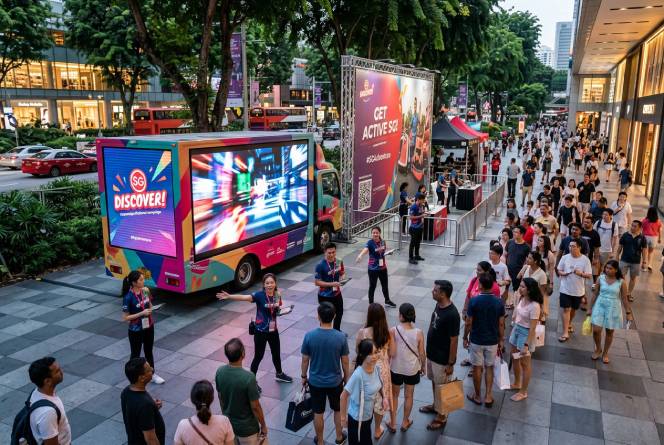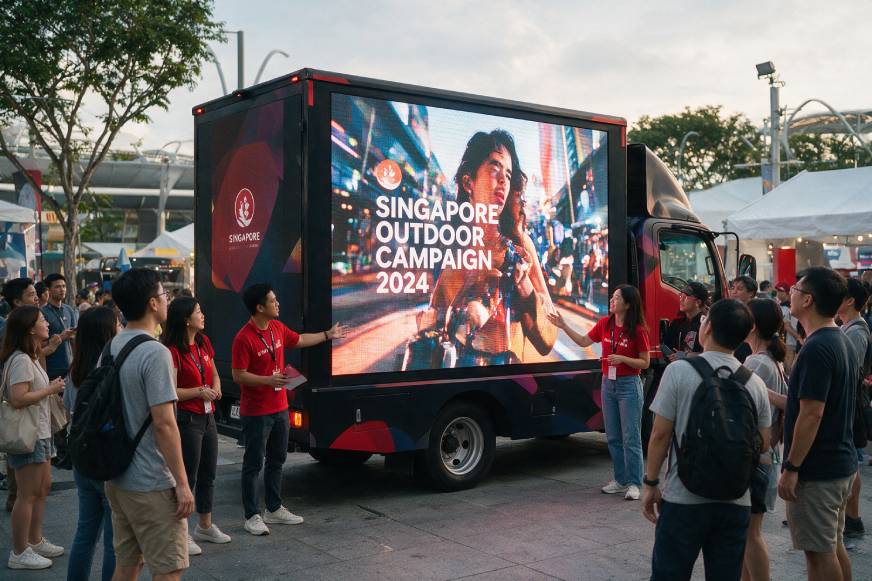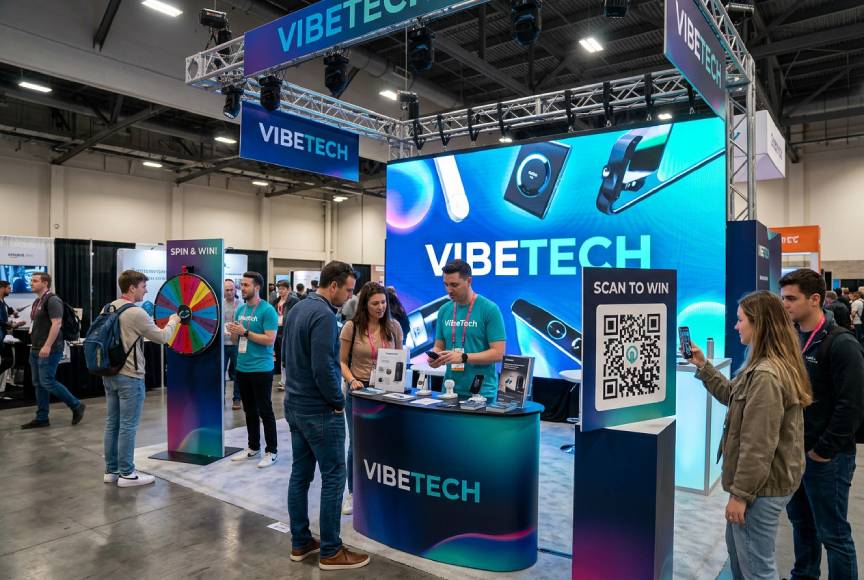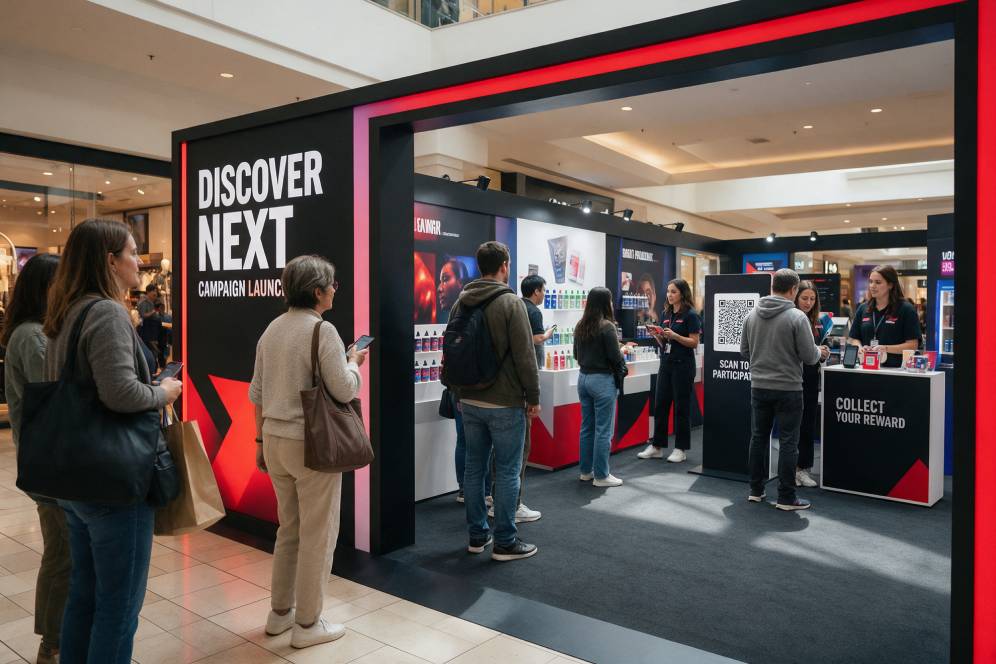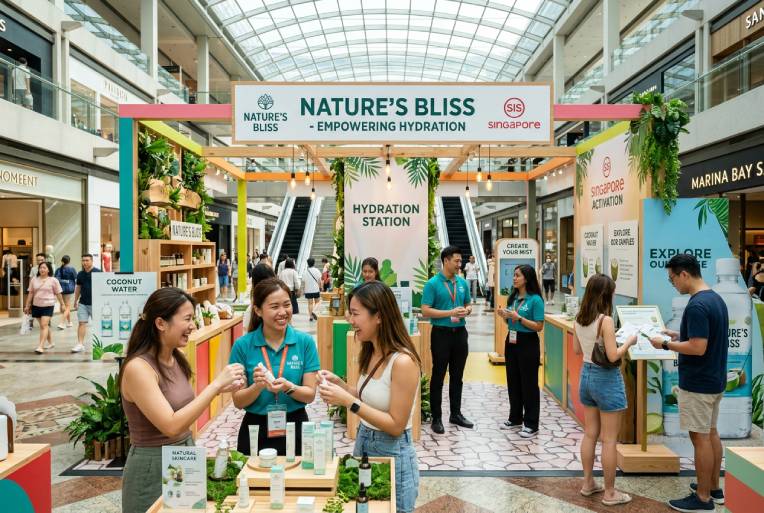
Brand activation is designed to bring customers closer to a brand through real interaction. It may involve roadshows, product sampling, live demonstrations, mobile event spaces, retail activations, QR activities, games, or face-to-face engagement.
However, even the most creative campaign can underperform if customers do not feel comfortable joining. If the booth looks crowded, the instructions are unclear, the promoters feel too pushy, or the activity takes too long, customers may walk away before they understand the brand.
This is why customer comfort matters in brand activation campaigns. A good activation should feel easy to approach, simple to understand, and pleasant to join. An experienced activation agency in Singapore helps brands design campaigns that attract attention without making customers feel pressured or confused.
Customer Comfort Affects the First Decision to Stop
Before customers engage with a campaign, they first decide whether they want to stop.
This decision can happen very quickly. In shopping malls, business districts, retail stores, roadshow spaces, and heartland areas, people are often moving with a purpose. They may notice the campaign, but they will only stop if it feels approachable.
A comfortable setup gives customers confidence to come closer. The space should look open, organised, and easy to enter. The campaign message should be visible, and the activity should look simple enough to understand.
If the activation feels too crowded, noisy, or confusing, customers may choose to avoid it even if the offer is relevant to them.
An Open Layout Makes the Campaign More Inviting
The physical layout of the activation has a direct effect on customer comfort.
A booth or roadshow setup should not feel like a barrier. Customers should be able to see where to enter, where the activity happens, and who they can speak to. Product displays, counters, banners, and activity zones should be arranged in a way that supports natural movement.
A good layout also gives customers enough space to pause without blocking others. This is especially important in busy locations where people may hesitate to join if they feel they are standing in the way.
For smaller spaces, the setup should be kept simple. Too many counters, props, or displays can make the campaign feel cramped. A clean and practical layout often creates a better experience than an overloaded setup.
Clear Instructions Reduce Hesitation
Customers are more comfortable when they know what to do.
If the campaign requires customers to scan a QR code, join a game, try a product, answer a survey, or redeem a reward, the steps should be easy to understand. Customers should not need to ask several questions before they know how to participate.
Clear instructions can appear through signage, promoter explanations, floor placement, digital screens, or simple visual cues. The wording should be short and direct.
For example, instructions such as “Scan to Redeem,” “Try a Free Sample,” or “Join the Game to Win” are easier to understand than long campaign descriptions.
When the next step is clear, customers feel less awkward and are more likely to join.
Friendly Promoters Make the Experience Feel Easier
Promoters are one of the biggest factors in customer comfort.
A good promoter can make the campaign feel welcoming. They greet customers naturally, explain the activity clearly, answer questions, and guide people without making them feel pressured.
A poor promoter approach can have the opposite effect. If the promoter is too aggressive, unclear, or uninterested, customers may feel uncomfortable and leave quickly.
Promoter briefing should include more than product information. It should also cover tone, approach style, body language, customer handling, and how to invite participation politely.
For Singapore customers, a respectful and helpful approach usually works better than a hard-sell style. Customers should feel that they are being invited, not forced.
Short and Simple Activities Respect Customer Time
Customer comfort is also linked to time.
Many people are willing to join a campaign if the activity is quick and easy. They may be less willing to participate if the process looks too long, complicated, or unclear.
A strong brand activation should match the activity length to the environment. A busy lunchtime roadshow may need a fast experience, while a weekend mall campaign may allow for a slightly longer product demonstration or game.
Simple activities can still be effective. Product trials, quick demos, short quizzes, QR redemptions, spin-and-win games, or one-minute consultations can create engagement without taking too much time.
The goal is to make customers feel that joining the campaign is convenient and worthwhile.
Queue Management Helps Prevent Frustration
If a campaign attracts many people, customer comfort depends on how well the queue is managed.
A long or messy queue can discourage new visitors from joining. It can also make the campaign area feel crowded and stressful.
A good activation plan should consider where customers wait, how long the activity takes, and how rewards are distributed. If possible, registration, activity participation, and redemption should not all happen at the same crowded point.
Simple queue signage, promoter guidance, separate counters, and faster participation options can help keep the experience smooth.
Customer comfort does not mean there will be no waiting. It means the waiting process feels organised and easy to understand.
Product Trials Should Feel Natural and Low-Pressure
Product trials and sampling are common in brand activation campaigns because they help customers experience the product directly.
However, customers may feel uncomfortable if the trial feels too pushy or if they feel pressured to buy immediately after trying. A better approach is to make the trial helpful and relaxed.
Promoters can explain one or two key benefits before offering the sample. After the trial, they can ask for feedback, share a promotion, or invite the customer to learn more.
The experience should give customers space to form their own impression. When customers feel respected, they are more likely to trust the product and remember the brand positively.
Digital Steps Should Be Easy to Complete
Many activation campaigns use digital tools such as QR codes, forms, surveys, games, app downloads, or e-vouchers. These tools can improve engagement and help brands collect useful data.
However, digital steps can also create discomfort if they are too complicated.
Customers may lose interest if the form has too many fields, the page loads slowly, the instructions are unclear, or the reward is not explained properly. The digital journey should be tested before the campaign starts.
For example, if customers need to scan a QR code to redeem a sample, the page should open quickly and the redemption process should be short. If the campaign includes a survey, the questions should be simple and relevant.
Digital engagement should make participation easier, not harder.
Comfort Builds Trust in the Brand
When customers feel comfortable during an activation, they are more likely to trust the brand behind it.
A comfortable campaign feels organised, respectful, and customer-friendly. It shows that the brand has considered the customer’s time, space, and experience.
This matters because customers often judge a brand based on how the live campaign feels. A messy or uncomfortable activation may create doubt, even if the product is good. A smooth and welcoming experience can make the brand feel more reliable.
Customer comfort also improves the quality of interaction. People are more willing to ask questions, try products, provide feedback, or register interest when they do not feel rushed or pressured.
Customer Comfort Supports Better Campaign Results
Comfort is not only about creating a pleasant experience. It can also improve campaign performance.
When customers feel comfortable, they are more likely to:
- Stop at the campaign area
- Speak with promoters
- Join the activity
- Try the product
- Scan the QR code
- Complete a short form
- Redeem an offer
- Ask questions
- Remember the brand
This can support stronger participation, better lead collection, more useful feedback, and higher brand recall.
A comfortable customer journey helps turn attention into meaningful engagement.
Why the Right Activation Agency Matters
A reliable activation agency in Singapore understands that customer comfort must be planned before the campaign goes live.
The agency can help with booth layout, customer flow, activity design, promoter briefing, signage, queue planning, product trial setup, digital journey testing, and on-site coordination.
These details may seem small, but they directly affect how customers feel during the activation.
The right agency does not only focus on how the campaign looks. It also considers how customers will move, participate, interact, and leave the experience with a positive impression.
Conclusion
Customer comfort matters in brand activation because people are more likely to engage when the experience feels easy, clear, and welcoming.
A successful campaign should not make customers feel confused, pressured, or rushed. It should guide them naturally from first attention to participation, product understanding, and a clear next step.
An experienced activation agency in Singapore helps brands create activation campaigns that are not only attractive, but also comfortable for real customers to join.
When customers feel comfortable, they are more likely to participate, trust the brand, remember the experience, and take action after the campaign.