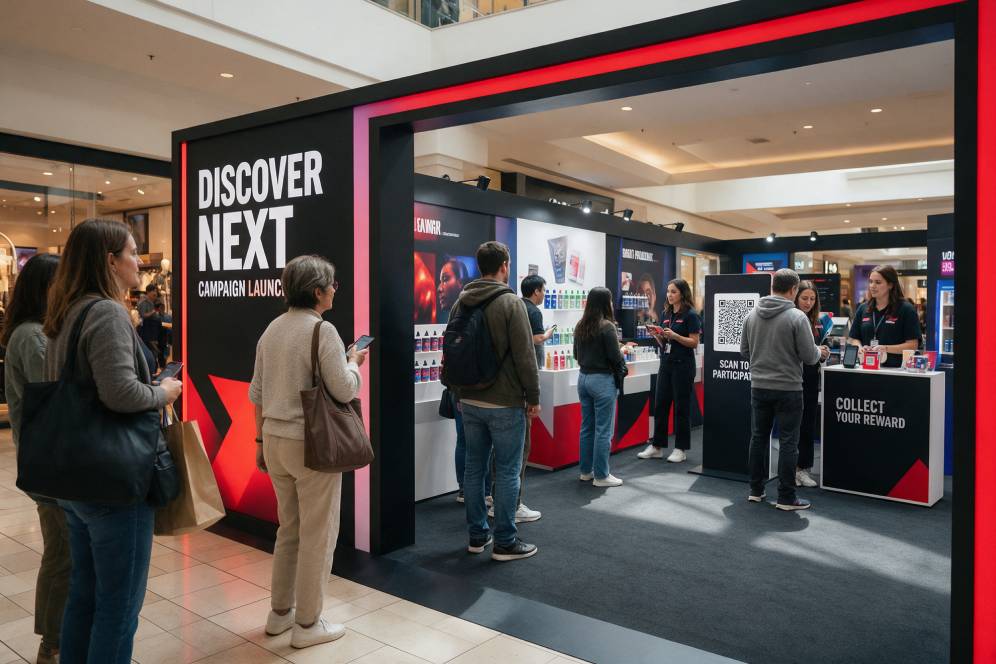
A good event campaign should help customers understand the brand while also giving them a reason to participate. If the campaign has too much information, customers may feel overwhelmed. If it has too much interaction but not enough explanation, people may enjoy the activity but forget the product or message behind it.
This is why balance matters. Brands need to share product benefits, campaign messages, and key details in a way that feels clear and easy to absorb. At the same time, the campaign should include interaction so customers are not only reading or listening, but also experiencing the brand.
An experienced event agency in Singapore helps brands create this balance through campaign planning, message structure, activity design, promoter briefing, visual layout, and customer flow. The goal is to make the event informative enough to be useful, but interactive enough to be memorable.
Why Information Alone Is Not Enough
Information is important in any event campaign. Customers need to know what the product is, how it works, why it matters, and what action they should take next.
However, live event spaces are not the same as brochures or websites. Customers may be walking past a roadshow, browsing in a mall, visiting a retail area, or moving through a busy event location. They may not have the time or patience to read long explanations.
If a campaign depends only on information, it can feel too passive. Customers may see the display but not feel motivated to stop, ask questions, or join the experience.
This is why information needs to be delivered in a customer-friendly way. It should be simple, visual, and supported by interaction.
Why Interaction Alone Can Also Be Weak
Interaction can attract attention and increase participation. Games, quizzes, product trials, digital screens, sampling, photo moments, and QR activities can make a campaign more engaging.
However, interaction without clear information can become empty entertainment. Customers may join the activity, collect a reward, and leave without understanding the product benefit or brand message.
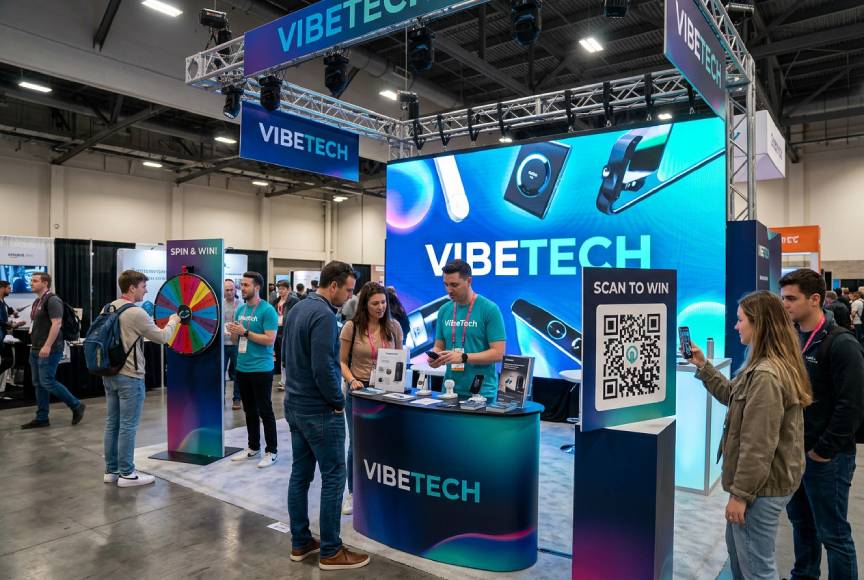
For example, a spin-and-win activity may bring people to the booth, but if promoters do not explain the product or guide the next step, the campaign may only create short-term participation.
A strong event campaign should not use interaction only to create noise. The activity should support the message and help customers understand something meaningful about the brand.
The Best Campaigns Connect Learning with Participation
The most effective event campaigns usually combine information and interaction in a natural way.
Customers should be able to learn through the experience, not just receive information before or after it. This makes the campaign feel more engaging and easier to remember.
For example, a product demo can show the benefit instead of only explaining it. A quiz can help customers discover which product suits them. A sampling station can let customers experience taste, texture, quality, or usage directly. A QR journey can provide extra information after the customer has already shown interest.
When learning and participation work together, customers are more likely to understand the product and remember the brand.
Clear Messaging Creates the Foundation
Before adding interactive elements, brands need one clear campaign message.
The event agency can help simplify product information into a main idea that customers can understand quickly. This message should appear across signage, promoter scripts, product displays, QR pages, and activity instructions.
A campaign with too many messages can confuse customers. They may not know what to focus on or what the brand is trying to communicate.
Focus on One Main Benefit
Instead of explaining every product feature at once, the campaign should highlight the most important customer benefit first.
Keep Supporting Details Secondary
More detailed information can be shared through promoters, brochures, QR pages, or follow-up content after customers show interest.
This keeps the campaign clear at the first point of contact.
Visuals Help Make Information Easier to Absorb
Visual communication is one of the best ways to balance information and interaction.
Instead of using long paragraphs on banners, brands can use icons, short benefit points, comparison visuals, product displays, before-and-after images, or simple process steps.
Good visuals help customers understand the message quickly while still leaving room for interaction.
For example, a product display can show the main benefit, while the promoter invites customers to test the product. A simple comparison board can help customers understand product differences before joining a recommendation activity.
The visual layout should guide attention, not overload the space.
Promoters Turn Information into Conversation
Promoters play a key role in balancing information and interaction because they can adjust the explanation based on the customer.
Some customers may only need a quick introduction. Others may ask detailed questions. Some may prefer to try the product first before hearing more. A trained promoter can respond naturally to these different behaviours.
Instead of giving every customer the same long script, promoters can explain the most relevant benefit and then guide the customer into the activity.
For example, a promoter may say, “You can try this first, then I’ll show you the difference between the two options.” This combines interaction with useful explanation.
Good promoter briefing helps ensure that conversations stay clear, consistent, and customer-friendly.
Activities Should Reinforce the Product Message
Interactive activities should be designed with a purpose.
If the product is about convenience, the activity should show how easy it is to use. If the product is about personalisation, the activity can guide customers toward a suitable option. If the brand is launching something new, the activity can help customers discover the main benefit.
Product Trials
Product trials help customers experience the benefit directly. This works well for food, beauty, lifestyle, technology, and household products.
Quizzes and Games
Quizzes and games can introduce product benefits in a simple and enjoyable way, as long as they stay connected to the campaign message.
Demonstrations
Live demonstrations are useful when customers need to see how a product works before they understand its value.
The interaction should make the information easier to understand, not distract from it.
Digital Tools Can Support Both Education and Engagement
Digital touchpoints can help brands share more information without crowding the physical campaign space.
QR codes, landing pages, interactive screens, digital catalogues, surveys, games, and e-vouchers can extend the customer experience. They allow customers to continue learning after the first interaction.
However, digital tools should be simple and purposeful. Customers should know why they are scanning or participating. A QR code that says “Scan to View Product Guide” or “Scan to Redeem Your Offer” is clearer than one that only says “Scan Here.”
A good event agency in Singapore helps brands use digital tools in a way that supports the campaign journey instead of making it more complicated.
The Balance Should Match the Customer Journey
Information and interaction should be planned according to the stage of the customer journey.
At the first point of contact, the message should be short and attention-grabbing. During participation, customers can learn through the activity, demo, or product trial. After they show interest, promoters or digital touchpoints can provide more detailed information.
This staged approach prevents the campaign from overwhelming customers too early.
A simple journey may look like this: attract attention, explain one key benefit, invite participation, demonstrate the product, guide the next action, and provide follow-up information.
This keeps the experience smooth and easy to follow.
Better Balance Improves Campaign Results
When information and interaction are balanced well, the campaign becomes clearer and more engaging.
Customers are more likely to understand the product, remember the benefit, ask questions, complete the activity, scan a QR code, redeem an offer, or make an enquiry.
The brand also gains better quality engagement. Instead of only attracting people for rewards, the campaign can create more meaningful conversations and stronger product interest.
This balance can improve product education, customer participation, lead quality, feedback collection, and brand recall.
Why the Right Event Agency Matters
Creating the right balance requires planning across many campaign details.
A reliable event agency in Singapore helps brands decide what information should be shown visually, what should be explained by promoters, what should be experienced through activities, and what should be continued through digital follow-up.
The agency can also help with booth layout, activity mechanics, product display, promoter briefing, customer flow, QR journey, and campaign call-to-action.
This is useful for roadshows, product launches, retail activations, sampling campaigns, mobile event spaces, and interactive brand experiences.
A good agency does not only make the event look active. It helps make the campaign meaningful and easy to understand.
Conclusion
Event campaigns need both information and interaction.
Information helps customers understand the product and brand message. Interaction helps customers participate, experience, and remember. When one side is too strong and the other is too weak, the campaign may not achieve its full potential.
An experienced event agency in Singapore helps brands create the right balance by simplifying messages, designing purposeful activities, training promoters, using clear visuals, and planning smooth customer journeys.
When customers can learn and participate at the same time, the campaign becomes more engaging, more useful, and more effective.