A successful event campaign does not begin when a customer joins the activity. It begins earlier, at the moment the customer notices the campaign and decides whether to approach.
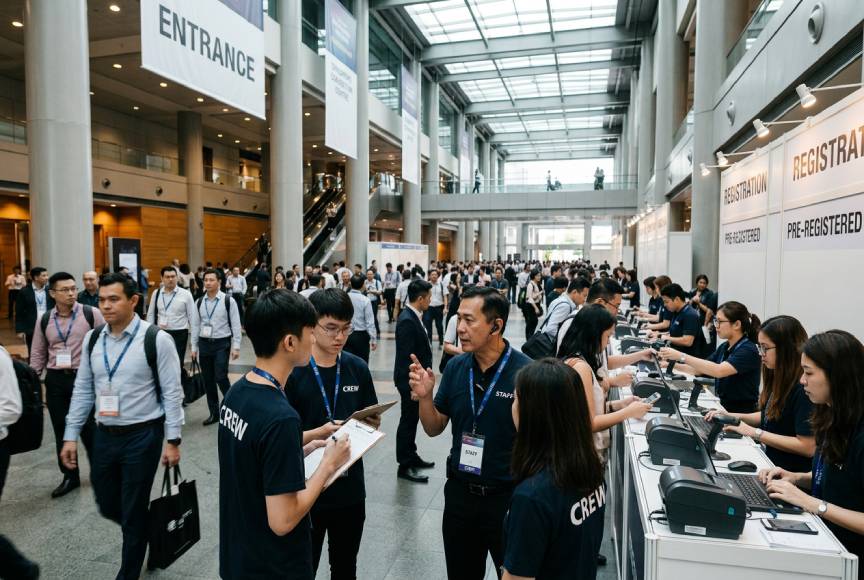
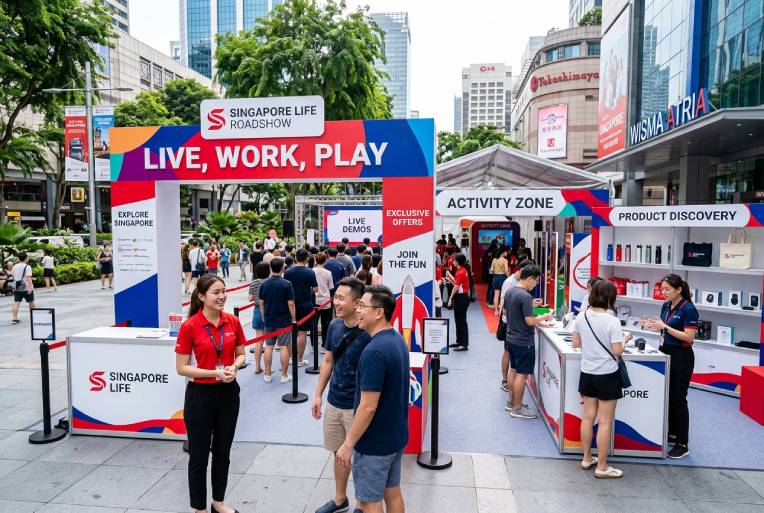
This first point of contact is known as the customer entry point. It can be the booth entrance, the first sign they see, the promoter greeting, the product display, the QR counter, the activity area, or even the way the campaign is positioned within a busy space.
For many brands, this part of the event is easy to overlook. They may focus heavily on booth design, product display, giveaways, or campaign mechanics, but forget to ask one important question: how will customers enter the experience?
An experienced event agency in Singapore helps brands design better customer entry points so campaigns feel easier to approach, understand, and join. When the entry point is clear, customers are more likely to stop, engage, and move through the campaign naturally.
What Is a Customer Entry Point in an Event Campaign?
A customer entry point is the first place or moment where customers begin interacting with the campaign.
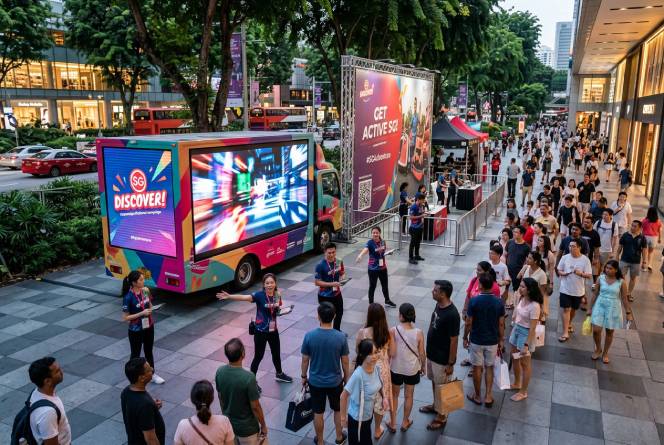
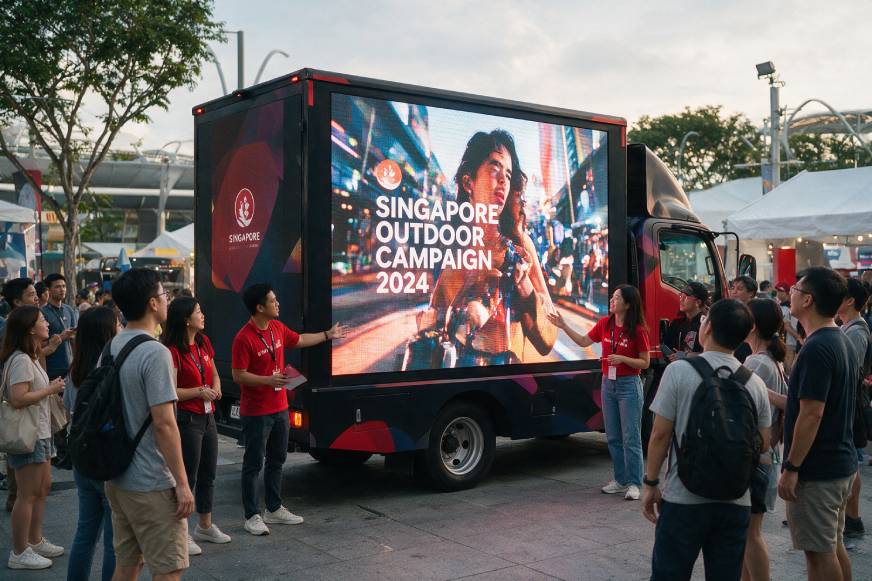
It may be physical, such as the open side of a booth, product trial counter, activity entrance, or event truck display. It may also be visual, such as the main headline, LED screen, banner, or product display that catches attention from a distance.
Sometimes, the entry point is human. A promoter may invite customers to try a sample, scan a QR code, join a game, or learn about a product.
A strong entry point makes the campaign feel easy to join. Customers should quickly understand where to go, what the campaign is about, and what action they can take next.
If this first step is unclear, customers may hesitate or walk away.
Why Entry Points Matter for Customer Engagement
Customers often decide very quickly whether they want to stop at an event campaign.
In busy Singapore locations such as malls, retail spaces, roadshow areas, business districts, and community events, people are often surrounded by many distractions. They may not spend time figuring out how to join a campaign unless the entry point is obvious.
A good entry point reduces uncertainty. It tells customers that the campaign is open, approachable, and worth a short interaction.
For example, a product sampling booth with a visible “Try a Free Sample” sign is easier to approach than a booth where customers cannot tell what is being offered. A roadshow with an open layout feels more inviting than one blocked by counters and props.
When the entry point is planned well, the campaign can attract more meaningful participation instead of only passive attention.
Good Entry Points Start with Customer Behaviour
Before designing an event entry point, brands need to understand how customers behave in the campaign environment.
Customers do not always approach directly. Some walk past slowly and look from the side. Some observe before deciding whether to join. Some need a promoter to invite them. Others may be interested but unsure where to begin.
An event agency helps brands plan around these behaviours. The campaign should support customers who are ready to engage, but also make it easy for hesitant customers to take the first step.
For example, placing a product display near the walkway can attract people who prefer to look first. Positioning a promoter near the outer edge of the booth can help invite passing customers without blocking the flow. Using a clear activity sign can help customers understand that they are allowed to participate.
The best entry points feel natural to the way customers already move through the space.
Clear Signage Helps Customers Understand the First Step
Signage plays an important role in customer entry points.
Customers should not need to ask what the campaign is about before they can decide whether to stop. The main message should be visible, simple, and action-focused.
A strong sign may tell customers to try a sample, join a game, redeem a gift, scan for an offer, watch a demo, or speak with the team. The message should not be too long because customers may only glance at it for a few seconds.
Clear signage helps answer three important questions:
- What is happening here?
- Why should I stop?
- What should I do first?
When signage answers these questions quickly, customers feel more confident approaching the campaign.
Booth Layout Should Make Entry Feel Easy
The layout of the event space affects how customers enter the campaign.
A booth that feels closed, crowded, or confusing can discourage customers from stepping in. A better layout gives people a clear path to approach, participate, and leave without feeling trapped or unsure.
For example, the entrance area should not be blocked by storage boxes, unused props, or too many staff members. Product displays should be placed where they are easy to see. Activity counters should be arranged so customers know where the experience begins.
If the campaign involves multiple steps, the layout should guide customers from one point to the next. This may include a starting point, activity area, product explanation zone, QR scan counter, and reward redemption section.
An organised layout makes the entry point feel more comfortable and professional.
Promoters Can Make the First Interaction More Welcoming
Promoters are often the first human touchpoint in an event campaign.
A well-trained promoter can make the entry point feel friendly and natural. Instead of waiting for customers to figure out the campaign themselves, the promoter can offer a short invitation, explain the benefit, and guide the first step.
For example, a promoter may say, “Would you like to try our new flavour?” or “You can scan here to redeem a free sample.” These simple lines make the campaign feel easier to join.
The promoter should not be too aggressive. Customers are more likely to respond well when the approach feels polite, clear, and helpful.
Promoter briefing should include the campaign message, customer flow, first greeting, common questions, and how to handle different types of customers.
Product Displays Can Act as Entry Points
Sometimes, the product itself can be the strongest entry point.
A clear and attractive product display can help customers understand what the campaign is promoting before they speak to anyone. This is especially useful for product launches, sampling campaigns, retail activations, and roadshows.
The product should be visible from the customer’s natural walking direction. It should not be hidden behind counters or placed where only people inside the booth can see it.
A good product display can create curiosity. Once customers notice the product, promoters can continue the conversation by explaining the key benefit, offering a trial, or guiding them to the next action.
For products that need demonstration, the demo area can also become the entry point. A live demonstration can attract customers because it shows the product in action instead of relying only on printed messages.
Activity Design Should Make the Entry Step Simple
Interactive activities can attract attention, but customers need to understand how to join.
If the activity looks complicated, people may avoid it. If the entry step is simple, more customers are likely to participate.
For example, the first step could be scanning a QR code, answering one quick question, spinning a wheel, tasting a sample, watching a short demo, or choosing a product preference.
The activity should not require too much explanation before customers can begin. Additional details can be shared after the customer has already entered the experience.
A simple entry step helps reduce hesitation and makes the campaign more approachable.
Digital Entry Points Must Be Fast and Clear
Many event campaigns use digital entry points such as QR codes, landing pages, forms, app downloads, digital vouchers, or interactive screens.
These tools can support data collection and follow-up, but they must be easy to use.
If customers scan a QR code and the page is slow, confusing, or too long, they may leave the process halfway. If the form asks for too much information before giving any value, participation may drop.
A good digital entry point should explain the benefit clearly. Customers should know whether they are scanning to redeem a voucher, join a lucky draw, receive product information, or register interest.
The digital step should be tested before the campaign starts to ensure it works smoothly during the live event.
Entry Points Should Match the Campaign Objective
The right entry point depends on the campaign goal.
If the objective is product trial, the entry point should lead customers toward sampling or demonstration. If the objective is lead collection, the entry point should guide customers toward registration. If the objective is awareness, the entry point may focus on participation, visual impact, or social sharing.
For example, a product launch may use a live demo as the first attraction. A retail campaign may use a reward redemption counter. A mobile event campaign may use a striking vehicle display to draw attention before guiding customers to an activity.
An event agency in Singapore helps brands choose entry points that support the campaign objective instead of creating attention that does not lead anywhere.
Better Entry Points Improve the Full Customer Journey
The entry point is only the beginning, but it affects the rest of the campaign journey.
When customers enter smoothly, they are more likely to continue participating. They can move from first attention to product understanding, activity participation, QR scanning, reward redemption, enquiry, or follow-up.
If the entry point is weak, the rest of the campaign may not reach its full potential. Customers may never reach the product demo, never speak to the promoter, or never complete the intended action.
A strong entry point creates momentum. It helps customers take the first step, and that first step makes the next step easier.
Why the Right Event Agency Matters
Designing better customer entry points requires more than placing a sign at the front of a booth.
It involves understanding the location, customer behaviour, event layout, campaign message, promoter role, activity design, digital tools, and desired customer action.
A reliable event agency in Singapore helps brands bring these details together. The agency can plan where customers first notice the campaign, how they approach, what they see first, how promoters invite them, and how the first interaction leads into the rest of the experience.
This is useful for roadshows, product launches, brand activations, mobile event spaces, retail campaigns, sampling activities, and interactive experiences.
Conclusion
Customer entry points are important because they shape the first step of the event experience.
If customers do not know where to begin, they may not engage. If the campaign feels easy to approach, understand, and join, customers are more likely to stop and participate.
An experienced event agency in Singapore helps brands design better entry points through clear signage, open layouts, friendly promoters, visible product displays, simple activities, and smooth digital steps.
When the entry point is planned well, the entire campaign becomes more effective. Customers can move from first attention to meaningful engagement, and brands have a better chance of turning live interactions into real campaign results.