A successful event campaign is not only about attracting people to a booth or campaign space. It is also about helping customers understand what to do from the moment they notice the event until they complete the intended action.
Without clear guidance, customers may feel unsure. They may not know where to start, who to speak to, how to join the activity, where to scan the QR code, or what happens after they participate. Even if the campaign looks attractive, poor guidance can cause customers to lose interest.
This is why better customer guidance matters in event campaigns. An experienced event agency in Singapore helps brands design campaigns that guide customers smoothly from first attention to participation, product understanding, final action, and follow-up.
When customers feel guided, the event experience becomes easier, clearer, and more effective.
Customer Guidance Begins Before the First Interaction
Customer guidance starts before a promoter speaks to the customer.
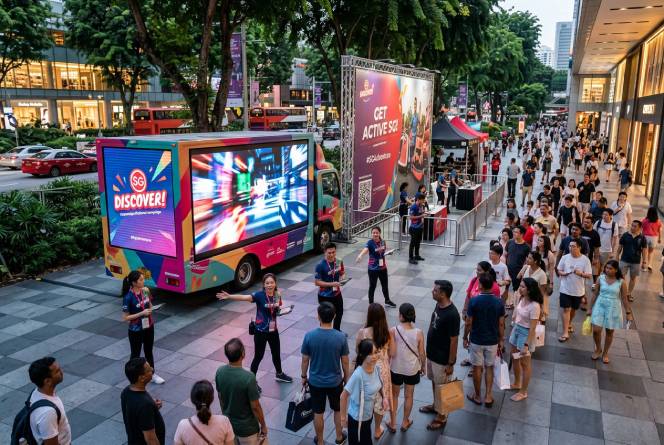
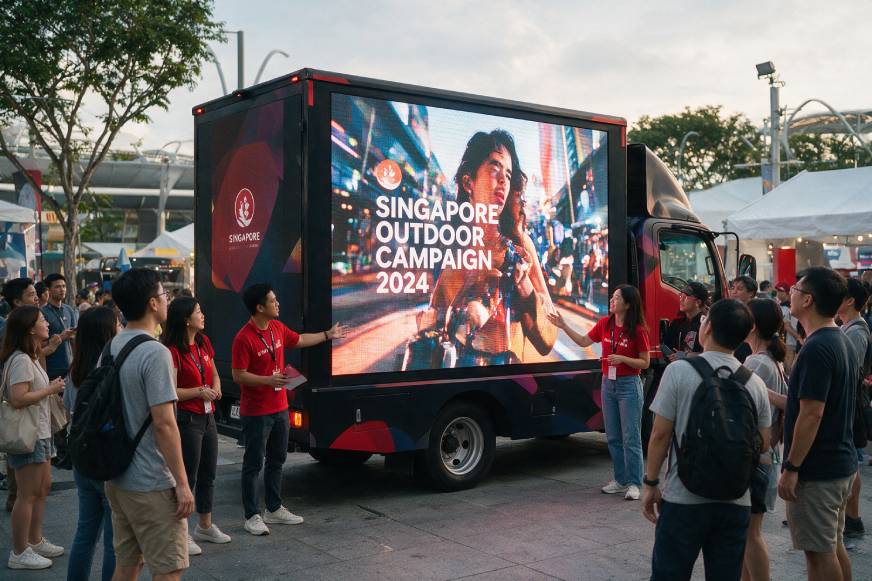
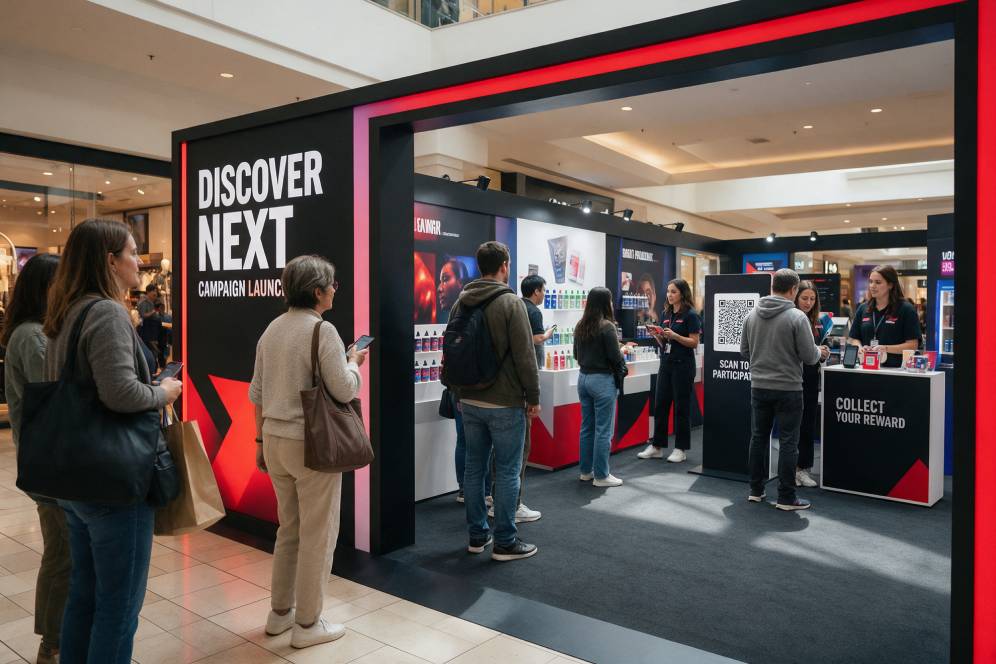
It begins with what the customer sees first. This may be the campaign headline, product display, signage, event truck, activity area, or visual direction of the booth. Customers should be able to understand the basic idea quickly.
If the first impression is unclear, customers may not approach. They may see the setup but feel unsure about what is happening or whether they are allowed to join.
A good event campaign should make the first step obvious. The customer should know whether they are invited to try a sample, join a game, watch a demo, scan a QR code, redeem a reward, or speak to the team.
Clear Entry Points Help Customers Feel Comfortable
The entry point is one of the most important parts of customer guidance.
A campaign space should not feel closed, confusing, or difficult to enter. If counters, displays, props, or staff block the entrance, customers may hesitate. If the campaign has no clear starting point, they may walk away.
A clear entry point helps customers feel more comfortable approaching the campaign. This can be done through open booth layout, visible signage, promoter placement, and simple first-step instructions.
For example, a sign that says “Start Here to Redeem Your Sample” is easier to follow than a general brand banner with no action. The message tells customers where to begin and what they can expect.
Promoters Should Guide, Not Pressure
Promoters play a major role in helping customers move through the event experience.
Good promoters do not only attract attention. They explain the campaign clearly, answer questions, guide customers to the right station, and make participation feel easy.
However, the approach should not feel pushy. Customers are more likely to respond well when promoters sound friendly, helpful, and natural.
Helpful Guidance
A promoter may say, “You can start here with a quick sample, then scan this QR code to receive the offer.” This gives the customer a simple path.
Pushy Guidance
A promoter who immediately pushes a sale or demands registration may make customers uncomfortable. This can reduce engagement even if the campaign offer is good.
An event agency helps prepare promoters so they understand the customer journey and know how to guide people politely.
Signage Should Support Each Step of the Journey
Signage should do more than decorate the campaign space. It should help customers understand what to do at different points.
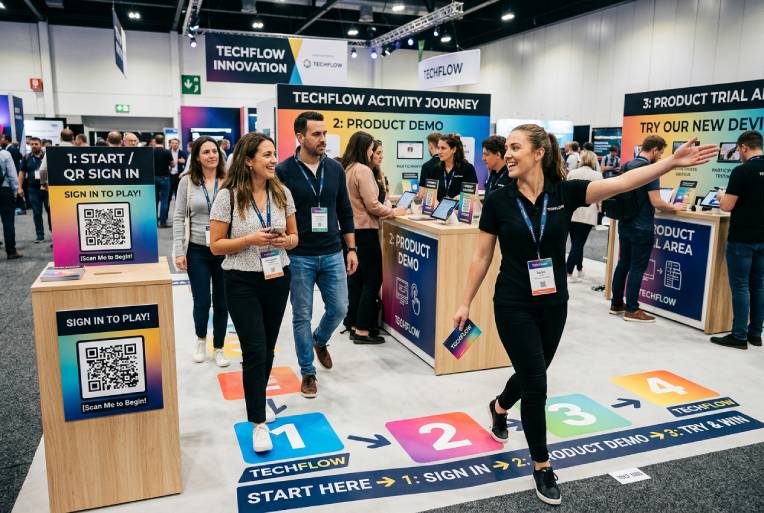
The main signage may explain the campaign purpose. Directional signage may show customers where to begin. Activity signage may explain the rules. QR signage may explain why customers should scan. Redemption signage may show where to collect rewards.
When signage is planned well, customers do not need to ask too many basic questions. This makes the campaign feel smoother and more organised.
The wording should be short and action-focused. Long paragraphs are usually not effective in busy event environments because customers may only glance at the sign briefly.
Activity Flow Should Be Easy to Follow
Many event campaigns include activities such as product trials, games, quizzes, demonstrations, sampling, photo moments, or digital interactions.
These activities are useful only when customers understand how to join.
If the activity has too many steps or unclear instructions, customers may lose interest. A good activity flow should explain what the customer needs to do, how long it will take, and what happens after completion.
For example, a simple flow may be:
- Try the product
- Scan the QR code
- Redeem the reward
- Receive the follow-up offer
This type of flow is easy for both customers and promoters to understand.
Product Information Should Be Shared at the Right Time
Customer guidance is also about giving the right information at the right stage.
At the beginning, customers may only need a short reason to stop. After they show interest, promoters can explain the product in more detail. After they try the product or join the activity, the campaign can guide them to the next action.
If too much information is shared too early, customers may feel overwhelmed. If too little information is shared, they may not understand the product benefit.
An event agency in Singapore helps brands organise product information across the customer journey. The campaign message, promoter script, display content, demo, and QR follow-up should all work together.
Digital Touchpoints Need Clear Instructions
Digital tools are now common in event campaigns. Brands may use QR codes, online forms, digital vouchers, surveys, games, app downloads, or landing pages.
These tools can improve engagement and measurement, but only if customers understand why they are using them.
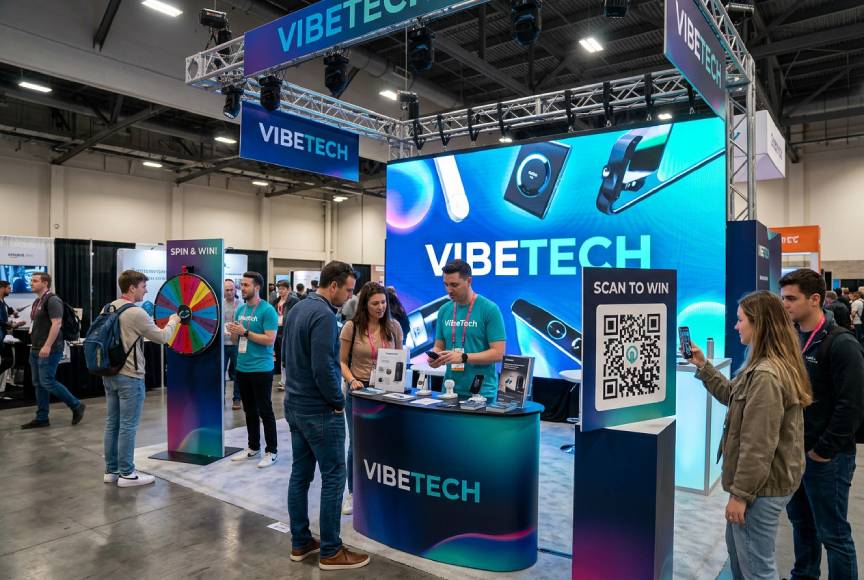
A QR code should not simply say “Scan Here.” It should explain the benefit, such as “Scan to Redeem Your Voucher,” “Scan to Join the Lucky Draw,” or “Scan to Receive Product Tips.”
The digital process should also be simple. If the form is too long or the page is not mobile-friendly, customers may drop off before completing the action.
Better digital guidance helps customers complete the journey more confidently.
Reward Redemption Should Have a Clear Ending
Every event campaign should have a clear ending point.
If customers complete an activity but do not know where to collect their reward, they may feel confused. If they receive a sample but do not know what to do next, the interaction may end too quickly.
A clear redemption process gives customers a satisfying final step. It also gives promoters a chance to remind them about the next action, such as using a voucher, visiting a store, following the brand online, or making an enquiry.
The end of the event journey should not feel random. It should reinforce the campaign message and leave customers with a clear next step.
Good Guidance Reduces Customer Drop-Off
Customer drop-off happens when people leave the campaign before completing the intended action.
They may leave because the queue is too long, the instructions are unclear, the activity feels complicated, the QR form is too slow, or the reward does not feel worth the effort.
Better guidance can reduce these drop-off points. Customers are more likely to continue when they know what is happening and what they will gain from each step.
Guidance also helps promoters manage customer movement, reduce confusion, and keep the campaign flow smooth during busy periods.
Customer Guidance Makes the Campaign Feel More Professional
Customers often judge a brand based on the quality of the live experience.
When the campaign is easy to follow, the brand feels organised and reliable. When the campaign feels confusing, customers may question the professionalism behind it.
Good guidance shows that the brand respects the customer’s time. It also makes the activation more welcoming because customers do not need to feel awkward about where to stand, what to ask, or what to do next.
This is especially important for roadshows, product launches, retail activations, and public-facing campaigns where first impressions matter.
Why the Right Event Agency Matters
Planning customer guidance requires more than placing signs around a booth.
A reliable event agency in Singapore helps brands look at the full campaign journey. This includes the first visual impression, customer entry point, promoter greeting, activity flow, product explanation, QR journey, reward redemption, and post-event follow-up.
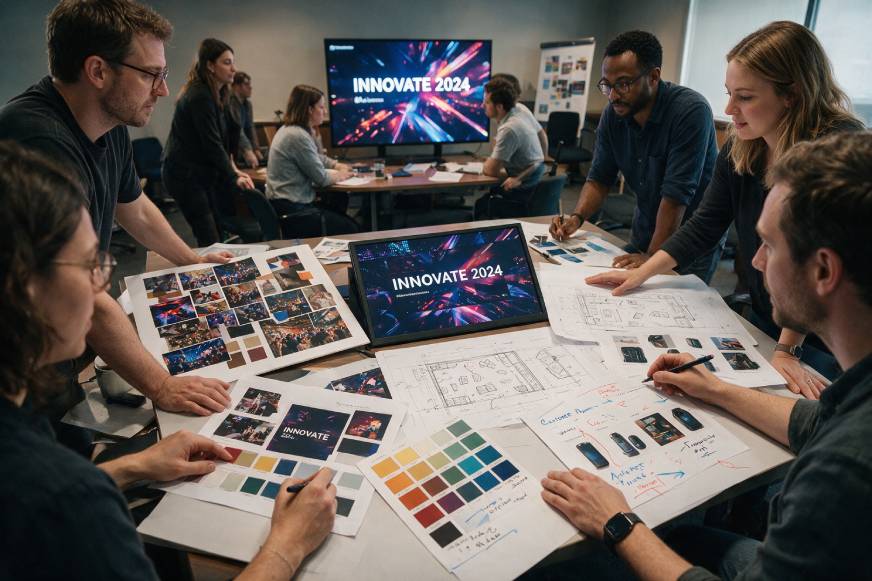
The agency can also identify where customers may feel confused or lose interest, then adjust the campaign design before the event goes live.
This support is useful for brand activations, roadshows, mobile event spaces, sampling campaigns, retail engagement, product launches, and interactive customer experiences.
Conclusion
Event campaigns need better customer guidance because customers should not be left guessing what to do.
A clear journey helps customers understand the campaign, feel comfortable approaching, join the activity, learn about the product, complete the required action, and continue the relationship after the event.
An experienced event agency in Singapore helps brands create this journey through clear entry points, helpful promoters, simple signage, organised activity flow, smooth digital touchpoints, and meaningful follow-up.
When customers are guided from start to finish, the event campaign becomes easier to join, more professional, and more effective in turning attention into real engagement.