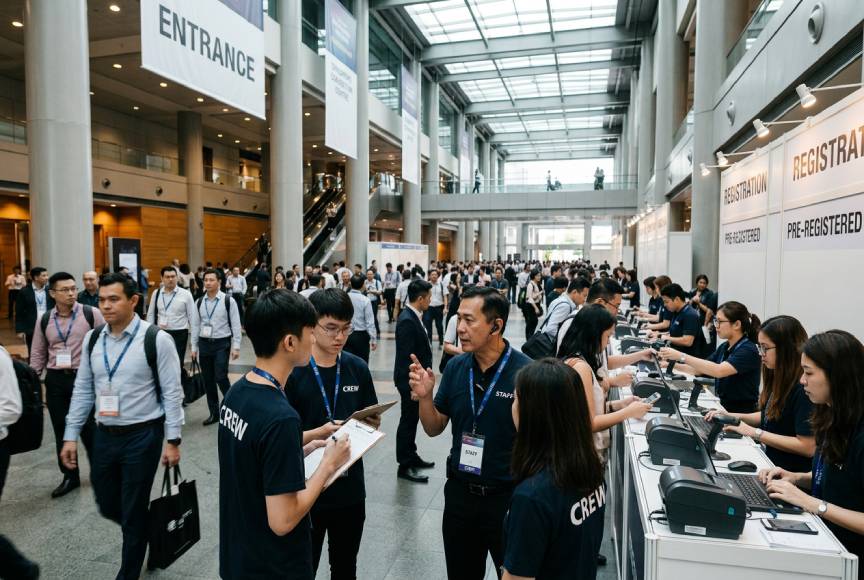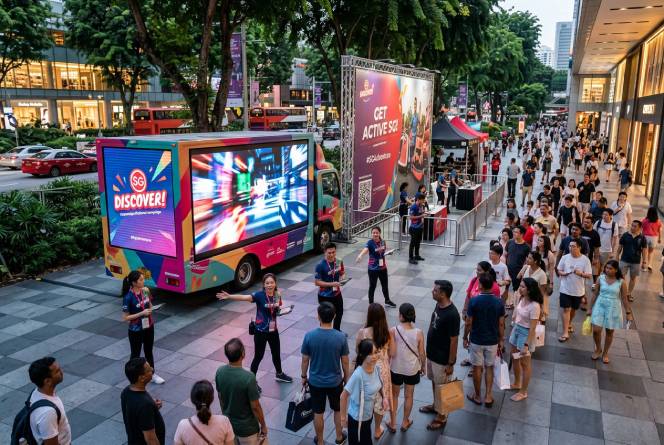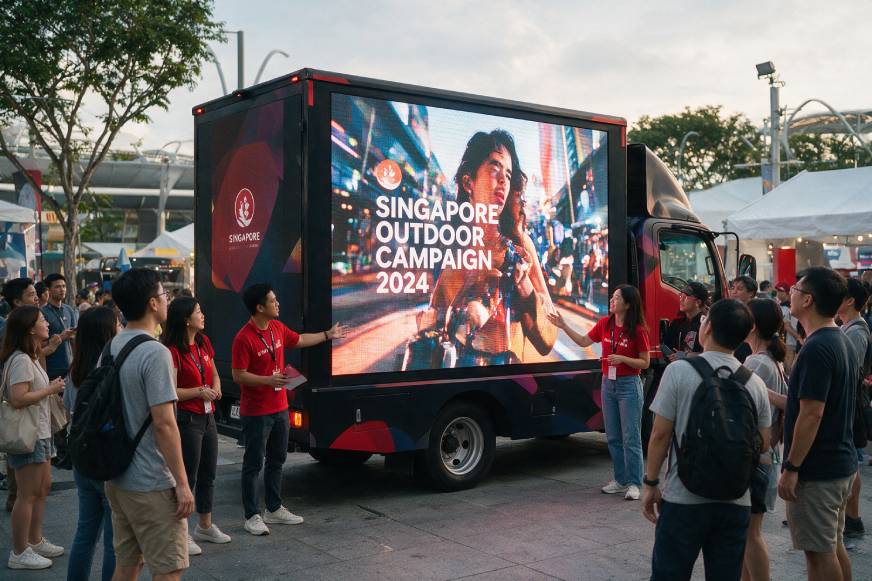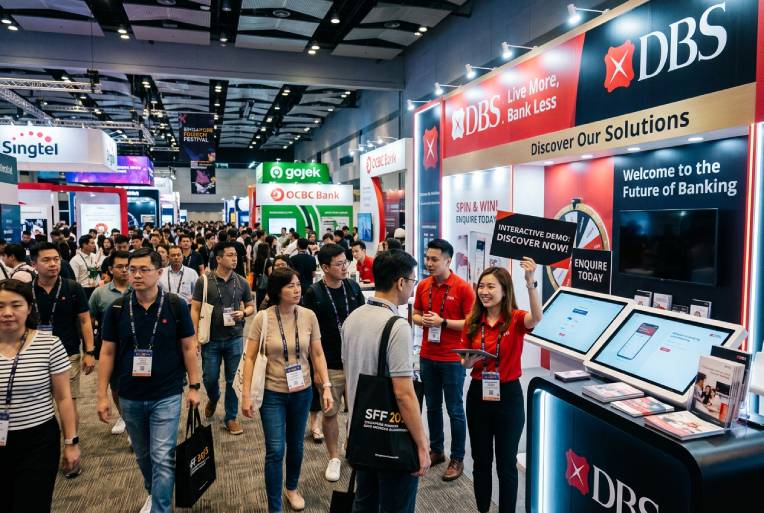
In a live event campaign, brands only have a short moment to capture attention. Customers may be walking through a mall, passing by a roadshow, rushing through a business district, or browsing inside a retail space. Even if the campaign setup looks attractive, people may not stop unless the message is clear and the experience feels easy to join.
This is why customer attention span matters in event planning. A campaign should not assume that people will spend time trying to understand what is happening. Instead, the experience should be designed to communicate quickly, attract naturally, and guide customers into participation without confusion.
An experienced event agency in Singapore helps brands plan campaigns around real customer behaviour. This includes how people notice a campaign, how long they are willing to engage, what makes them stop, and what encourages them to take the next step.
Customer Attention Is Limited in Busy Event Spaces
Singapore event spaces can be highly active. Roadshows, retail promotions, mall campaigns, product launches, and outdoor activations often take place in areas where customers are already surrounded by many distractions.
A customer may pass by while checking their phone, talking to someone, carrying shopping bags, or moving toward another destination. In these situations, brands cannot rely on long explanations or complicated campaign mechanics.
The campaign must quickly answer three simple questions: what is this, why should I care, and what should I do next?
When these answers are not clear, customers may walk past even if the product or offer is relevant to them.
The First Few Seconds Shape the Campaign Result
The first few seconds are important because they determine whether customers will stop or continue walking.
A strong first impression can come from a clear headline, bold visual, product display, digital screen, live demonstration, event truck, promoter invitation, or interactive activity. However, the attraction point should not only look impressive. It should also connect directly to the brand message.
For example, if the campaign is promoting a new product, the setup should make that product visible and easy to understand. If the campaign is encouraging QR sign-ups, the benefit of scanning should be clear from the start.
A campaign that looks interesting but does not explain its purpose may attract glances but not meaningful participation.
Clear Messaging Works Better Than Too Much Information
Many brands want to share every benefit, product feature, promotion detail, and brand story during a campaign. While this information may be important, too much messaging can overwhelm customers.
In an event environment, the main message should be short, direct, and easy to remember. Customers should not need to read several panels before understanding the campaign.
The event agency can help brands simplify the message into one main idea. Supporting details can then be shared through promoters, brochures, QR codes, or digital screens after the customer has already shown interest.
A clear message makes it easier for customers to decide whether they want to participate.
Campaign Activities Should Be Easy to Join
Customer attention can drop quickly if the activity looks too complicated. Long instructions, unclear steps, or slow registration can discourage people from joining.
A strong event campaign should make participation feel simple. Customers should understand where to start, what they need to do, how long it will take, and what they will receive after joining.
For example, a short digital game, product trial, quick survey, sample redemption, or simple QR activity may work better than a long process with too many steps.
The activity can still be creative, but it should not require too much effort before customers understand the value.
Promoters Help Hold Customer Attention
Promoters play an important role because they can turn a passing glance into a real conversation.
A good promoter does not need to give a long introduction immediately. A short and friendly invitation is usually more effective. Once the customer stops, the promoter can explain the product, activity, or offer in more detail.
Promoters should be briefed on how to approach different types of customers. Some customers may want a fast explanation, while others may be open to a longer conversation. The promoter should know how to adjust based on the customer’s response.
This human interaction can help maintain attention after the first visual impression.
The Customer Journey Should Move Quickly and Naturally
A good event campaign should guide customers through the experience without making them feel stuck.
The journey may begin with the customer noticing the campaign, then speaking to a promoter, joining an activity, learning about the product, scanning a QR code, and receiving a reward or follow-up offer.
Each step should feel natural. If customers do not know what comes next, they may leave halfway. If one part takes too long, queues may form and discourage new visitors from joining.
An event agency in Singapore can help plan this flow so the campaign respects the customer’s time while still delivering the brand message.
Visual Design Should Support Fast Understanding
Visual design is not only about making the campaign look attractive. It should also help customers understand the experience quickly.
A good event setup uses clear hierarchy. The most important message should be the easiest to see. Product displays should be placed where customers naturally look. Instructions should be visible near the activity area. QR codes should be positioned where customers are ready to scan.
If the layout is too crowded, customers may not know where to focus. If the visuals are too plain, they may not notice the campaign at all.
The best design balances attention, clarity, and brand identity.
Short Interactions Can Still Create Strong Impact
Not every customer will spend a long time at the event. Some may only have a minute or two. This does not mean the campaign cannot create value.
A short interaction can still be effective if it delivers one clear message and one clear action. For example, the customer may try a sample, hear one product benefit, scan a QR code, and leave with a voucher.
The key is to avoid making every visitor go through the same long journey. A campaign can offer a quick path for casual visitors and a deeper path for customers who show more interest.
This flexible approach helps the campaign work better in busy environments.
Digital Tools Should Not Slow Down the Experience
Digital tools can improve engagement, but they should be used carefully.
QR codes, digital games, online forms, surveys, and interactive screens can make a campaign more measurable and engaging. However, if the digital process is slow or confusing, customers may lose interest.
A good digital touchpoint should be quick, mobile-friendly, and clearly connected to the benefit. Customers should know why they are scanning, registering, or completing a form.
For example, a QR code that leads to a simple voucher redemption page may work better than a long registration form with too many required fields.
Planning Around Attention Span Improves Campaign Results
When campaigns are planned around customer attention span, they usually become clearer and easier to manage.
The brand message becomes sharper. The activity becomes simpler. Promoters know how to approach customers more effectively. The customer journey becomes smoother. Digital tools become more purposeful.
This can improve participation, product understanding, lead collection, sample redemption, survey completion, and overall brand recall.
Most importantly, customers are more likely to enjoy the experience because it respects their time.
How an Event Agency in Singapore Can Help
An event agency helps brands turn these attention-span considerations into practical campaign planning.
The agency may support campaign concept development, message simplification, booth layout, activity design, promoter briefing, digital engagement, crowd flow, logistics, and on-site coordination.
This is especially useful for roadshows, retail activations, product launches, mobile event campaigns, and high-traffic event spaces where customers decide quickly whether to engage.
A good agency will not only ask how the campaign should look. It will also ask how customers will notice it, understand it, join it, and complete the intended action.
Conclusion
Event campaigns should be planned around customer attention span because live audiences often make fast decisions. Customers need to understand the campaign quickly, feel comfortable joining, and see a clear reason to participate.
A successful campaign uses clear messaging, strong visuals, simple activities, trained promoters, smooth customer flow, and purposeful digital tools to keep attention long enough for meaningful engagement.
Working with an experienced event agency in Singapore can help brands design campaigns that are not only attractive, but also easy to understand and effective in real event environments.
When a campaign respects how customers actually behave, it has a better chance of turning attention into participation, interest, and brand recall.