Some event campaigns naturally attract a crowd, while others struggle to get customers to stop. The difference is not always about having the biggest booth, the loudest setup, or the most expensive giveaway. Often, it comes down to how clearly the campaign communicates, how easy it feels to join, and how well it connects with customer behaviour.
In a busy environment, customers make quick decisions. They may be walking through a mall, passing a roadshow, visiting a retail area, or moving through a public event space. If the campaign does not catch their attention quickly or give them a clear reason to participate, they may simply walk past.
This is where an experienced event agency in Singapore can help. A good agency helps brands plan event campaigns that feel attractive, approachable, and meaningful to customers.
Strong Campaigns Have a Clear First Impression
The first impression of an event campaign matters because customers often decide within seconds whether to stop.
A strong campaign should make the main idea easy to understand from a distance. Customers should be able to see what the campaign is about, what product or brand is being promoted, and why it may be worth their attention.
If the booth looks crowded with too much information, customers may not know where to focus. If the message is too vague, they may not understand why they should approach.
A clear first impression usually includes strong visuals, simple messaging, visible product displays, and an obvious activity or offer. These elements help customers quickly understand the campaign before any promoter speaks to them.
The Message Is Easy to Understand
Campaigns that attract more customers usually have a simple and direct message.
Customers in live event spaces do not have time to read long explanations. They need to understand the benefit quickly. A message such as “Try Our New Flavour Today” or “Scan to Redeem Your Gift” is easier to act on than a long paragraph about the brand.
A simple message helps customers answer three questions:
- What is this campaign about?
- Why should I stop?
- What can I do here?
When the message is clear, customers feel more confident approaching the campaign. When the message is confusing, even interested customers may hesitate.
The Campaign Feels Easy to Join
Some event campaigns fail because they look too complicated.
Customers may avoid a campaign if they are unsure where to start, how long the activity will take, or whether they need to register before joining. A campaign that feels difficult can lose attention before engagement begins.
Campaigns that attract more customers usually make participation simple. The starting point is clear. The activity is easy to understand. Promoters know how to guide visitors. The reward or benefit is visible.
Clear Entry Point
Customers should know where to begin, whether it is a sampling counter, activity area, QR station, or promoter greeting.
Simple Participation Step
The first action should be easy, such as trying a sample, answering one question, watching a short demo, or scanning a QR code.
When the campaign feels easy to join, more people are willing to take the first step.
The Offer Feels Relevant to the Customer
A giveaway can attract attention, but it may not always attract the right customers.
Campaigns work better when the offer or reward connects to the product, brand, or customer need. A relevant reward gives customers a stronger reason to participate and helps them remember the brand more clearly.
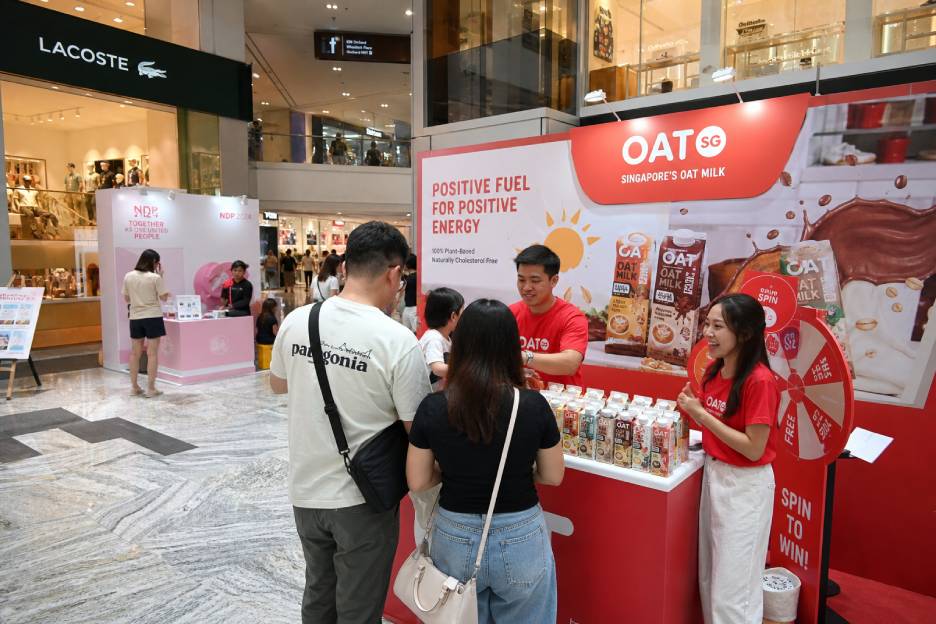
For example, a product sample allows customers to continue experiencing the product after the event. A voucher can encourage future purchase. A short consultation can help customers understand which option is suitable for them.
The offer should support the campaign objective. If the goal is product trial, the reward should encourage customers to try. If the goal is lead collection, the offer should make registration feel worthwhile.
Promoters Make the Campaign More Approachable
Promoters can strongly influence whether customers stop or walk past.
A friendly promoter can make the campaign feel welcoming. They can invite customers naturally, explain the activity, answer questions, and guide people through the experience. This human connection helps reduce hesitation.
However, promoters should not feel too pushy. Customers may avoid the campaign if they feel pressured before they understand the value.
A good event agency in Singapore helps prepare promoters with the right briefing. They should understand the campaign message, product benefits, customer flow, activity steps, and final call-to-action.
When promoters are confident and helpful, customers are more likely to engage.
The Activity Gives Customers Something to Do
Campaigns that attract more customers often include a simple activity.
This may be a product demo, sampling experience, quick quiz, spin-and-win, photo moment, QR redemption, or interactive screen. Activities help customers move from watching to participating.
However, the activity should not be added only for entertainment. It should connect to the product or campaign message.
For example, a quiz can help customers discover a suitable product. A demo can show how the product works. A sampling experience can encourage customers to try before deciding.
When the activity supports the campaign message, customers are more likely to remember both the experience and the brand.
The Layout Supports Smooth Customer Flow
The physical setup of the campaign affects how comfortable customers feel when approaching.
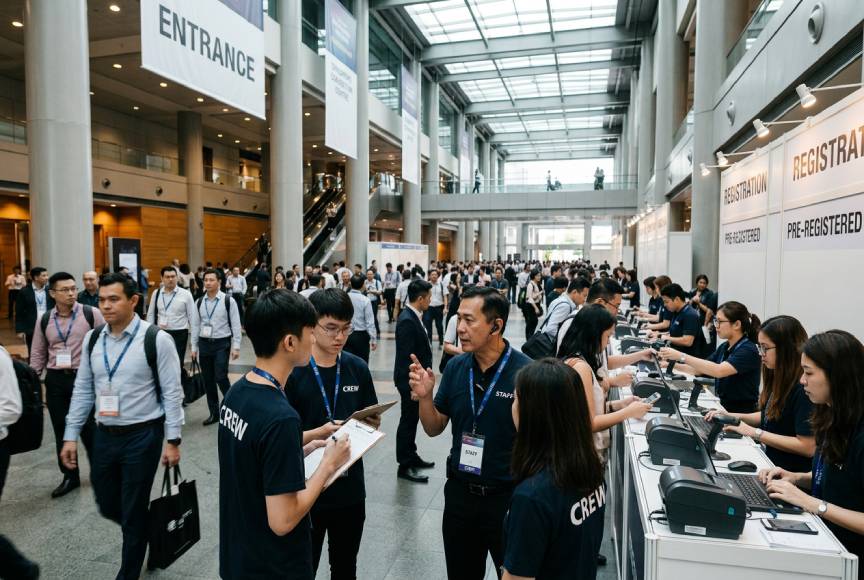
A good layout should be open, clear, and easy to move through. Customers should know where to enter, where to participate, where to scan, and where to collect rewards.
If the campaign space feels blocked, cramped, or messy, people may avoid joining. If the queue is unclear, customers may not want to wait. If the product display is hidden, they may not understand what the campaign is promoting.
Smooth customer flow helps the campaign feel more organised and professional. It also helps promoters manage visitors more effectively during busy periods.
The Campaign Matches the Location
A campaign that works well in one location may not work the same way somewhere else.
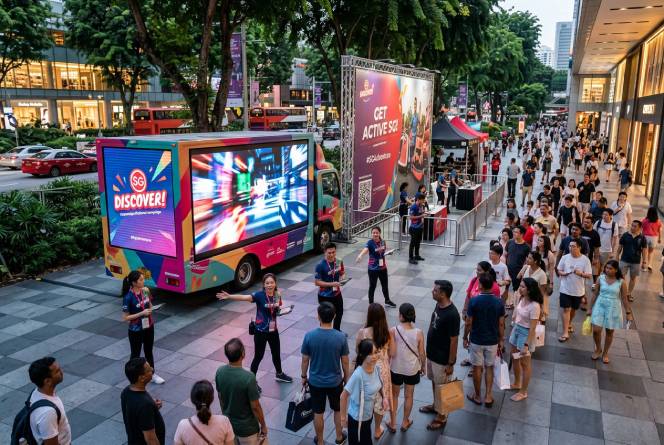
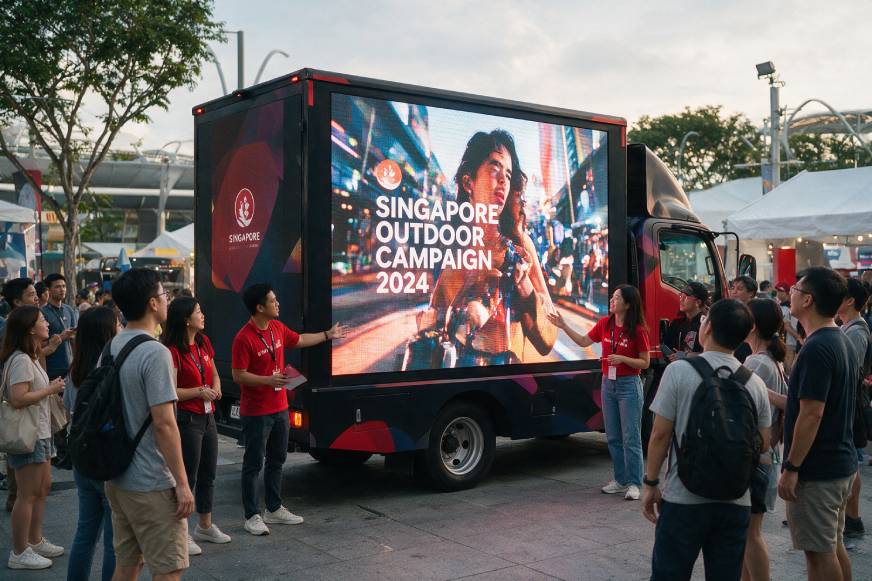
A mall roadshow may need strong visual attraction and quick engagement. A retail activation may need product comparison and purchase support. A business district campaign may need fast participation during lunch hours. A mobile event space may need clear visibility and easy access.
An event campaign should be planned around the location, foot traffic, customer behaviour, and available space.
The right event agency can help brands choose the format, layout, message, and activity based on the environment. This makes the campaign feel more natural for the people passing by.
The Campaign Creates a Memorable Moment
Attraction is not only about bringing customers to the booth. The campaign should also give them something worth remembering.
A memorable moment may be a product trial, helpful conversation, photo opportunity, live demo, personalised recommendation, or enjoyable activity. This moment helps customers connect the experience with the brand.
If customers only remember the free gift but not the product, the campaign may not create strong brand value. The memorable moment should always support the campaign message.
A good event campaign helps customers leave with a clear impression of what the brand offers and why it matters.
Digital Touchpoints Extend the Engagement
Some campaigns attract customers at the event but lose them after the first interaction.
Digital touchpoints can help continue the relationship. These may include QR codes, landing pages, e-vouchers, social media follows, WhatsApp enquiries, online product guides, or feedback forms.
The digital step should be easy and valuable. Customers should know why they are scanning or registering. A simple message such as “Scan to Redeem Your Voucher” is clearer than just “Scan Here.”
When digital touchpoints are planned well, the campaign can continue after the customer leaves the event space.
Why the Right Event Agency Matters
Attracting more customers requires more than a nice booth or attractive giveaway.
A reliable event agency in Singapore helps brands plan the full campaign experience. This includes campaign objective, message clarity, event format, layout, customer flow, promoter briefing, activity design, product display, digital touchpoints, and follow-up.
The agency looks at the campaign from the customer’s point of view. It considers what customers see first, why they would stop, how they would participate, and what would encourage them to take the next step.
This support is useful for roadshows, product launches, retail activations, sampling campaigns, mobile event spaces, and interactive brand experiences.
Conclusion
Some event campaigns attract more customers because they are easier to notice, understand, and join.
A strong campaign has a clear first impression, simple message, relevant offer, friendly promoters, smooth customer flow, suitable location planning, and a meaningful activity. It also uses digital touchpoints to continue engagement after the event.
An experienced event agency in Singapore helps brands bring these elements together so the campaign feels organised, customer-friendly, and result-focused.
When customers understand the value of joining, they are more likely to stop, participate, remember the brand, and take action.