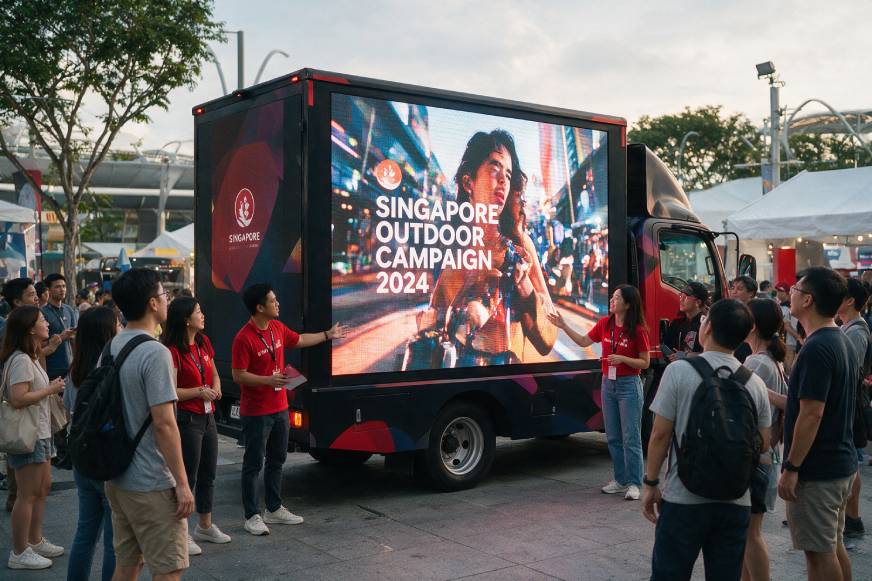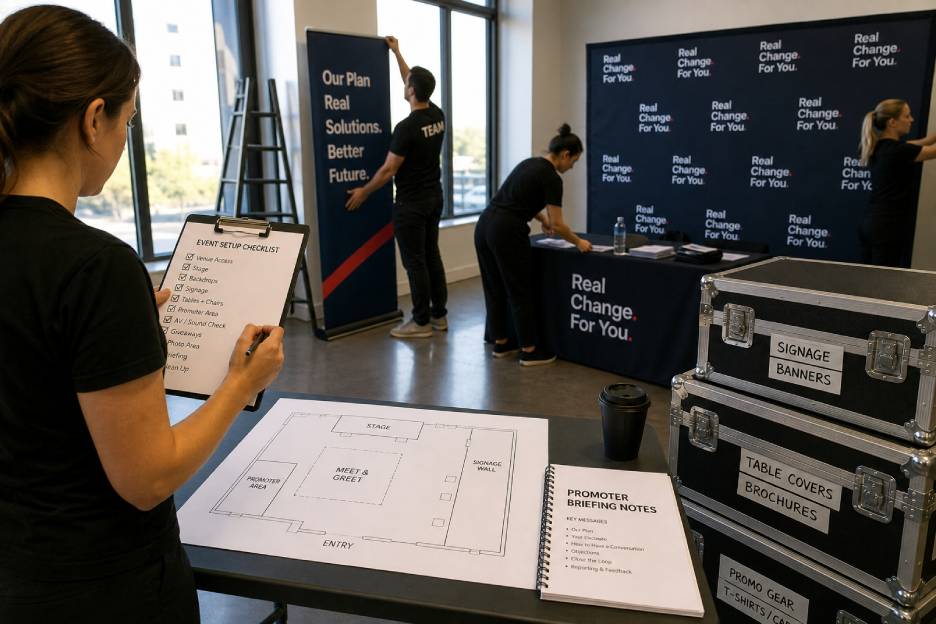
An event campaign can have a strong concept, attractive visuals, and a good location, but if the experience feels messy, customers may lose interest quickly. Organisation affects how people view the brand, how smoothly the campaign runs, and how easily customers can join.
A well-organised event campaign helps customers understand what is happening, where to begin, who to speak to, and what action to take next. It also helps the event team manage setup, promoters, product displays, activity flow, QR codes, rewards, and customer questions more confidently.
This is why working with an experienced event agency in Singapore can make a difference. A good agency helps brands turn campaign ideas into clear, practical, and customer-friendly event experiences.
Start with a Clear Campaign Objective
Before planning the setup, the brand must be clear about what the campaign should achieve.
The objective may be brand awareness, product trial, lead collection, customer education, product launch, retail traffic, or sales enquiry. When the goal is unclear, the campaign can become overloaded with too many messages and activities.
A clear campaign objective helps the event team decide what matters most. For example, if the goal is product trial, the layout should guide customers toward sampling or demonstrations. If the goal is lead collection, the campaign needs a smooth registration flow and a clear reason for customers to share their details.
Organisation begins when everyone understands the same goal.
Plan the Customer Journey from Start to Finish
A campaign feels organised when customers can move through it naturally.
The customer journey should begin from the first point of attention and continue until the final action. Customers may notice the campaign, approach the booth, speak to a promoter, join an activity, try a product, scan a QR code, redeem a reward, or receive a follow-up offer.
If this journey is not planned, customers may feel unsure about what to do next. They may stop at the wrong area, miss the main activity, or leave before completing the intended action.
A simple customer journey helps both customers and promoters understand the flow.
First Step
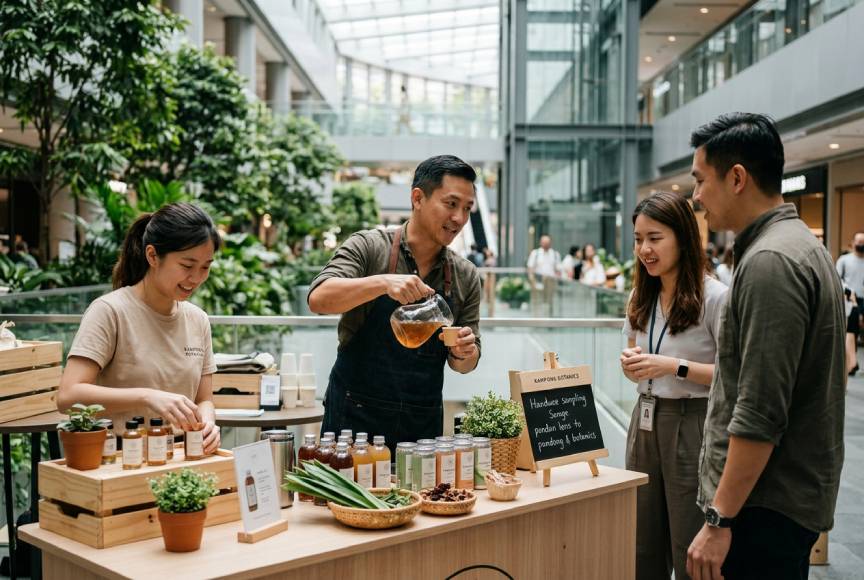
Customers should know where to start. This could be a sampling counter, product display, QR station, activity entrance, or promoter greeting.
Main Interaction
The main interaction should support the campaign goal, such as a product demo, game, consultation, or trial experience.
Final Action
The final action should be clear, such as redeeming a voucher, submitting an enquiry, visiting a store, or following up online.
Keep the Campaign Message Simple
Too much information can make an event campaign feel cluttered.
Customers in busy locations may not have time to read long descriptions or understand multiple campaign messages. The main message should be short, clear, and easy to remember.
A simple campaign message helps customers understand what the brand is offering and why they should participate. Supporting details can be explained by promoters, shown through product displays, or shared through QR codes.
When the message is focused, the whole campaign feels more organised.
Design the Layout Around Customer Flow
The physical layout plays a major role in how organised the campaign feels.
Counters, displays, banners, props, products, QR stands, and activity areas should be arranged based on how customers will move. The entrance should be open. The product display should be visible. The activity area should not block the walkway. Reward redemption should be easy to find.
A crowded layout can make customers feel confused or uncomfortable. A clean layout helps people understand the space quickly.
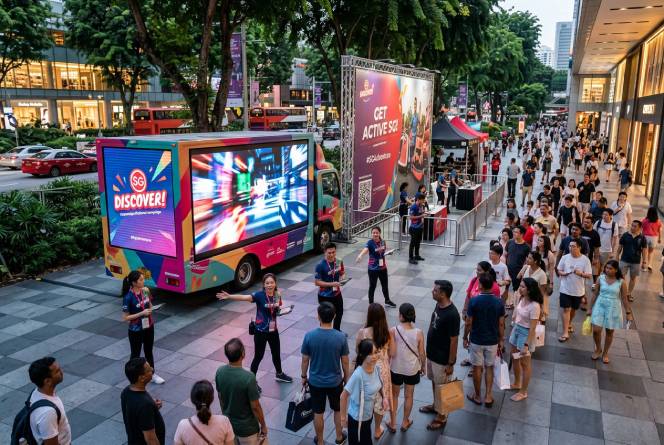
For roadshows, retail activations, and mobile event spaces, layout planning is especially important because space may be limited. Every section should have a clear purpose.
Use Clear Signage to Guide Customers
Signage should help customers understand the campaign without needing too much explanation.
Good signage can show customers where to start, what to do, how to join, and what reward or benefit they can receive. It can also support queue flow, QR scanning, product trials, and reward redemption.
Instead of using long paragraphs, signage should use short and action-focused wording. For example, “Start Here,” “Try a Sample,” “Scan to Redeem,” or “Collect Your Reward.”
Clear signage reduces confusion and makes the event space feel more professional.
Prepare Promoters with Proper Briefing
Promoters are important because they help bring order to the live campaign.
A well-briefed promoter knows how to invite customers, explain the campaign, guide participation, answer questions, manage queues, and support the final call-to-action.
Without proper briefing, promoters may give different explanations or miss important details. This can make the campaign feel inconsistent.
The briefing should include the campaign objective, product benefits, activity steps, customer journey, common questions, reward details, and emergency contact points. When promoters are prepared, the customer experience becomes smoother.
Organise Product Displays and Materials
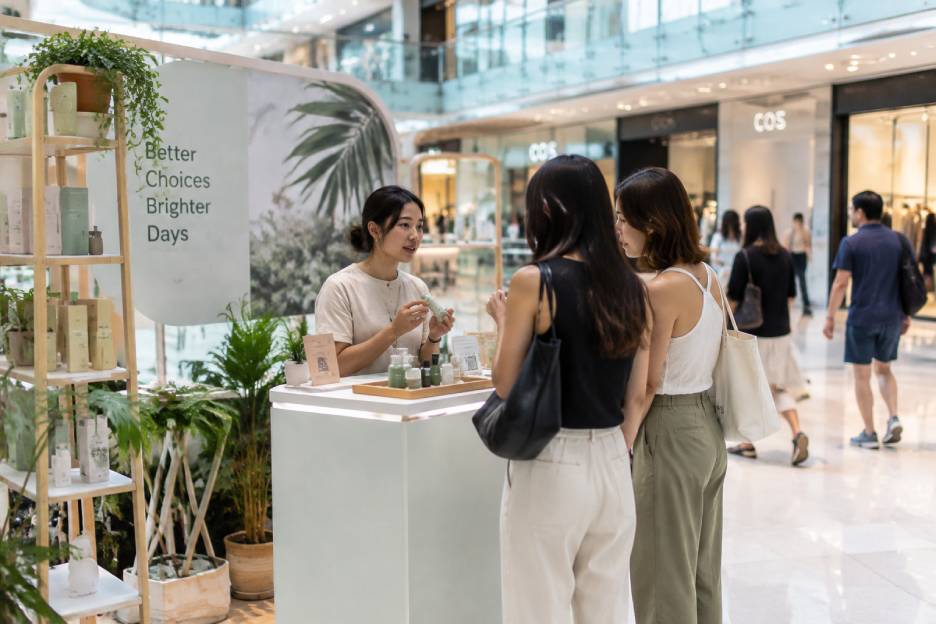
Product displays should be neat, visible, and easy to understand.
If products, brochures, samples, props, and rewards are placed randomly, the campaign can look messy. Customers may not know what to focus on, and promoters may waste time searching for items during busy periods.
A good event setup should separate display items, working stock, backup stock, forms, giveaways, and operational materials. Only what customers need to see should be visible at the front.
Behind-the-scenes organisation is just as important as what customers see. It helps the team work faster and keeps the campaign space clean.
Make Digital Touchpoints Easy to Use
Many event campaigns use QR codes, online forms, digital vouchers, surveys, games, or landing pages. These touchpoints should be tested before the campaign begins.
If customers scan a QR code and the page loads slowly, the campaign may feel unprepared. If the form is too long, people may drop off. If the reward process is unclear, customers may ask repeated questions.
Digital touchpoints should be simple, fast, and clearly connected to the campaign benefit. A QR code should explain what customers will receive, such as a voucher, product guide, registration confirmation, or special offer.
A smooth digital process makes the whole campaign feel more organised.
Manage Queues Before They Become a Problem
Queues can affect how customers experience the campaign.
A busy booth may look successful, but if the queue is messy, too long, or blocking walkways, new customers may avoid joining. The event team should plan how people will wait, where they will stand, and how they will move after completing each step.
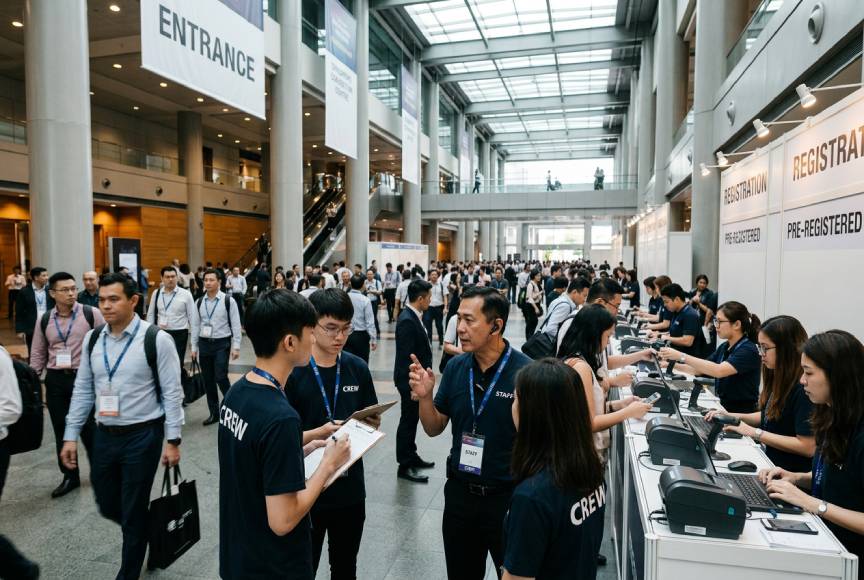
For larger campaigns, separate areas for registration, activity, sampling, and redemption can help. For smaller campaigns, promoters can guide customers clearly and keep the process moving.
Good queue management helps the event feel calm and controlled, even when the response is strong.
Prepare for On-Site Changes
Even with good planning, live campaigns may face changes.
There may be crowd changes, weather issues, stock movement, technical problems, promoter timing issues, or venue restrictions. A campaign feels more organised when the team knows how to respond calmly.
An event agency in Singapore can help brands prepare backup plans, contact lists, setup checks, equipment checks, and on-site coordination steps.
Good organisation does not mean everything will be perfect. It means the team is ready to manage issues without disrupting the customer experience.
Review the Campaign After It Ends
Organisation should continue after the event campaign.
Brands should review what worked, what caused delays, where customers dropped off, which questions were asked, and whether the campaign achieved its goal.
Useful points to review include customer participation, product trials, QR scans, leads collected, voucher redemptions, promoter feedback, queue flow, and customer comments.
This review helps improve the next campaign. A well-organised event gives the brand clearer insights because the customer journey and results are easier to understand.
Why the Right Event Agency Matters
A reliable event agency in Singapore helps brands organise every part of the campaign, from planning to execution.
The agency can support campaign objectives, layout planning, customer journey design, signage, promoter briefing, product displays, digital touchpoints, logistics, queue flow, and post-campaign review.
This support is useful for roadshows, product launches, sampling campaigns, retail activations, mobile event spaces, and interactive brand experiences.
The right event agency helps make the campaign feel smooth for both customers and the brand team.
Conclusion
An organised event campaign feels easier for customers to understand, join, and remember.
Clear objectives, simple messaging, smooth customer flow, prepared promoters, neat displays, working digital touchpoints, and good queue management all help create a better live experience.
An experienced event agency in Singapore helps brands turn event ideas into organised campaigns that work well in real environments.
When the campaign feels organised, customers are more comfortable, promoters can work more effectively, and the brand has a better chance of achieving meaningful results.