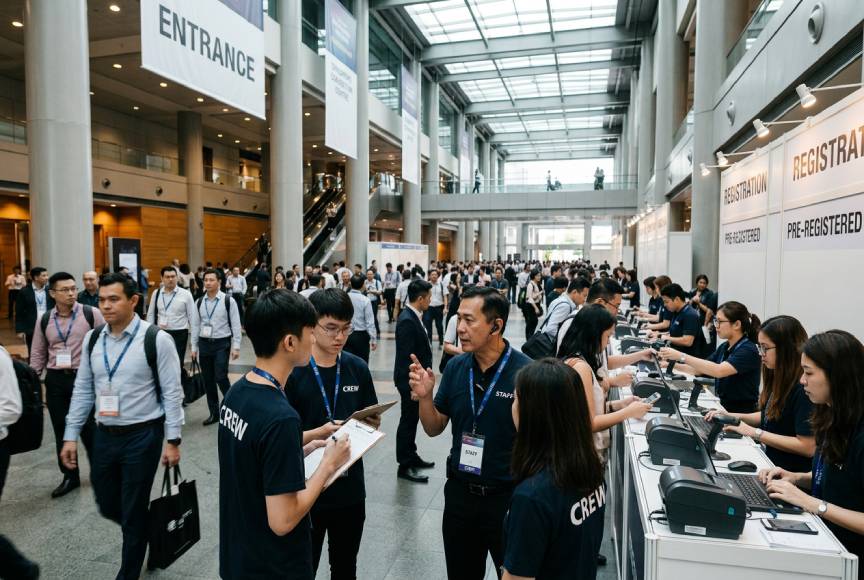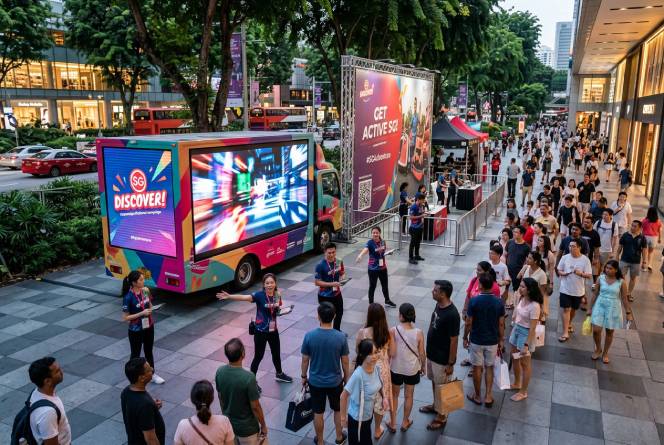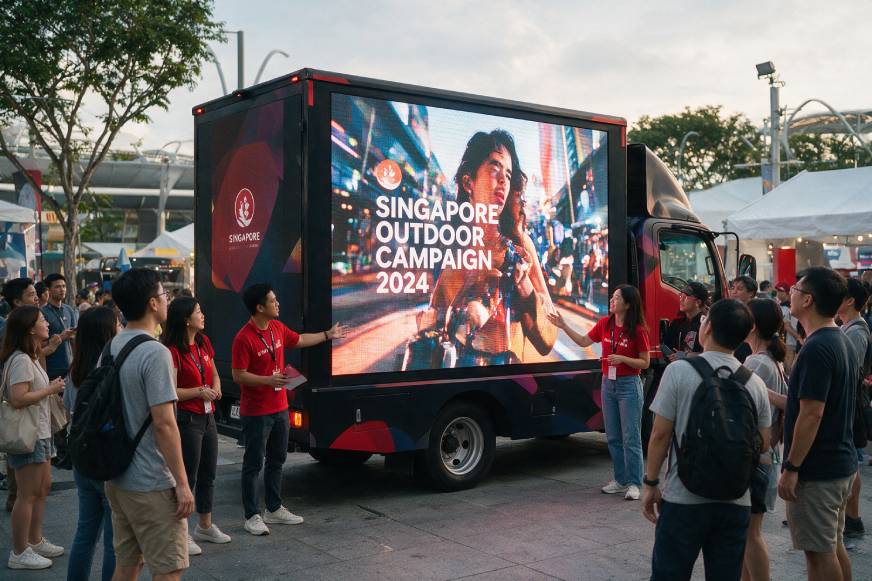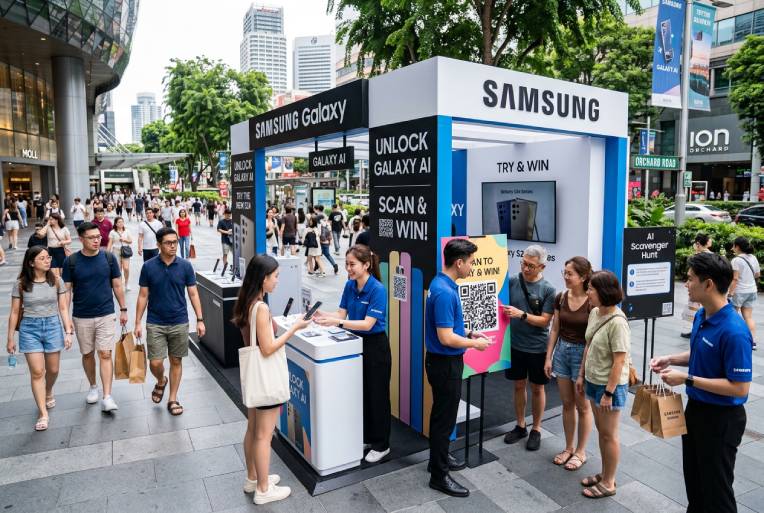
In Singapore, many brand campaigns take place in busy spaces such as shopping malls, heartland areas, business districts, retail stores, outdoor event zones, and roadshow locations. These places can bring strong visibility, but visibility alone does not guarantee customer interest.
People may walk past a campaign without stopping. They may notice the booth but not understand the message. They may accept a flyer or sample but forget the brand shortly after.
This is why on ground activation in Singapore needs more than a physical setup. A strong campaign should guide walk-by traffic from quick attention into real brand interest. This means creating a reason for people to stop, interact, understand the product, and take the next step.
Walk-By Traffic Is Only the Starting Point
High foot traffic is valuable, but it is not the same as engagement. A campaign may be placed in a busy location and still receive weak participation if the message, setup, or activity is unclear.
Walk-by traffic gives brands an opportunity. The challenge is to turn that opportunity into meaningful interaction.
Customers usually make fast decisions in public spaces. They decide whether to stop based on what they see, how approachable the setup feels, and whether the activity seems worth their time. If the campaign does not communicate quickly, the customer may continue walking.
A successful on-ground activation should make the first few seconds count.
Start with a Clear and Visible Campaign Message
The first step is helping people understand what the campaign is about.
A customer walking past should be able to quickly identify the brand, the product or service, and the reason to participate. If the message is too long or too hidden, customers may not stop to read it.
The campaign headline should be simple and benefit-focused. It may highlight a product trial, exclusive offer, new launch, free sample, interactive activity, or customer reward.
For example, a message such as “Try Our New Product Today” or “Scan to Redeem Your Sample” gives customers a clear reason to engage. The goal is not to explain everything at once, but to create enough interest for customers to take the first step.
Make the Setup Easy to Approach
A campaign can look attractive but still fail to invite participation if the layout feels closed or confusing.
Customers should know where to enter, who to speak to, and what they can do. Open frontage, clear signage, visible activity zones, and friendly promoter placement can make the setup feel more welcoming.
If the booth is blocked by tables, products, or crowding, people may hesitate to enter. If the activity area is unclear, customers may observe from a distance without joining.
An effective setup should reduce hesitation. It should feel simple, open, and easy for someone to step in for a quick interaction.
Use Promoters to Create the First Human Connection
Promoters play a key role in turning passing traffic into interest.
A good promoter does not simply call out to everyone. They approach customers naturally, explain the campaign briefly, and invite them to participate in a way that feels friendly and respectful.
The first line should be easy to understand. Instead of using a long product explanation, promoters can start with a simple invitation such as trying a sample, joining a short activity, or redeeming an offer.
Promoters should also be trained to identify different customer responses. Some people may want a quick sample, while others may be open to a longer explanation. The promoter’s role is to guide the customer without making the interaction feel forced.
Give Customers a Simple Reason to Stop
People are more likely to stop when the campaign offers something clear, useful, or enjoyable.
This reason can be practical, such as a product trial, free sample, consultation, voucher, or reward. It can also be experiential, such as a digital game, photo opportunity, demonstration, or interactive activity.
The key is to make participation feel easy. If customers need to spend too much time understanding the activity, they may lose interest before joining.
A good activation agency will usually design the activity around the customer’s attention span and the environment. A campaign in a busy business district may need a fast participation flow, while a weekend mall activation may allow for a longer experience.
Turn Curiosity into Product Understanding
Once customers stop, the campaign should quickly connect their attention to the brand message.
This is where many campaigns lose impact. Customers may enjoy the activity but forget what product or service was being promoted. To avoid this, the product or brand benefit should be introduced naturally during the experience.
For example, if the campaign includes a digital quiz, the questions can relate to the product category. If it includes sampling, the promoter can explain one key benefit before handing over the sample. If it includes a demonstration, the display should show the product’s practical value clearly.
The aim is to make customers leave with at least one memorable reason to care about the brand.
Product Trials and Sampling Help Build Confidence
On-ground activation is powerful because customers can experience the product directly.
For food, beverage, beauty, wellness, lifestyle, retail, and consumer products, trials and sampling can reduce hesitation. Customers do not need to rely only on advertising claims because they can try the product themselves.
However, sampling should not become random distribution. A stronger approach is to connect the sample with a short explanation, product display, feedback question, or next-step offer.
For example, a customer may try a sample, share quick feedback, and receive a voucher for future purchase. This turns a simple handout into a more complete brand interaction.
Interactive Activities Can Increase Participation
Interactive activities help make an activation more noticeable and enjoyable.
This may include QR games, spin-and-win activities, lucky draws, touchscreen quizzes, product matching, photo moments, or short challenges. These activities create a reason for people to pause and join.
The activity should remain simple and relevant to the campaign. If it is too complicated, the queue may move slowly. If it has no link to the brand, customers may remember the game but not the product.
A good interactive activity supports both participation and brand recall. It gives customers something to do while helping the brand communicate a message.
Use QR Codes and Digital Follow-Up Carefully
QR codes can help connect on-ground activation with digital engagement.
They can be used for registration, surveys, vouchers, app downloads, product information, lucky draws, or campaign follow-up. This helps brands collect useful data and continue the conversation after the customer leaves the event space.
However, QR activities should be simple. Customers may not want to complete long forms while standing in a busy area. The benefit of scanning should be clear, and the process should not take too many steps.
When done well, QR engagement helps turn short walk-by attention into a longer brand relationship.
Manage the Customer Flow from Start to Finish
Good customer flow is important because it affects how easy the campaign feels.
The experience should guide customers from first attention to participation and then to a final action. This could be a product trial, QR registration, reward redemption, store visit, enquiry, or follow-up offer.
If the flow is messy, customers may leave halfway. If the reward counter blocks the entrance, new visitors may hesitate to approach. If registration takes too long, the queue may discourage participation.
A strong on-ground activation considers customer movement before the campaign goes live. This helps the setup feel more organised and improves participation.
Make the Final Action Clear
Brand interest becomes more valuable when customers know what to do next.
After participating, customers may be guided to visit a website, follow a social media page, redeem a promotion, speak to a consultant, visit a retail outlet, download an app, or leave their contact details.
The next step should feel connected to the activation. For example, after a product trial, the customer may receive a voucher. After a quiz, they may receive a product recommendation. After a demonstration, they may scan a QR code to learn more.
A clear next step helps the campaign move beyond awareness.
Review What Worked After the Campaign
After the activation, brands should review the results and observations.
Useful measurements may include customer interactions, samples distributed, QR scans, leads collected, feedback received, reward redemptions, enquiries, and promoter observations.
These insights can show which message attracted attention, which activity encouraged participation, and which customer concerns appeared most often.
This helps brands improve future on-ground campaigns and make better decisions about locations, activity formats, promoter scripts, and follow-up offers.
Why the Right Activation Partner Matters
Turning walk-by traffic into brand interest requires planning, creativity, manpower, and execution.
The right activation partner can help brands design a campaign that is visible, approachable, easy to understand, and meaningful for customers. This includes planning the setup, customer journey, promoter roles, engagement activities, product trials, digital tools, and reporting.
For brands in Singapore, this matters because event spaces are often busy and competitive. Customers have many distractions, so the campaign needs to make engagement feel simple and worthwhile.
Conclusion
Walk-by traffic gives brands exposure, but on-ground activation turns that exposure into real interaction.
A successful campaign needs a clear message, approachable setup, trained promoters, simple participation, product understanding, interactive activities, digital follow-up, smooth customer flow, and a clear next step.
An effective on ground activation in Singapore helps customers move from noticing the campaign to understanding the brand and showing genuine interest.
When the experience is planned properly, a passing customer is no longer just foot traffic. They become a potential lead, product trial user, brand follower, buyer, or future customer.