Every successful event campaign usually starts with a simple idea. It may begin as a product sampling plan, a roadshow concept, a launch activity, a retail promotion, or a small customer engagement idea. However, an idea alone is not enough to create results.
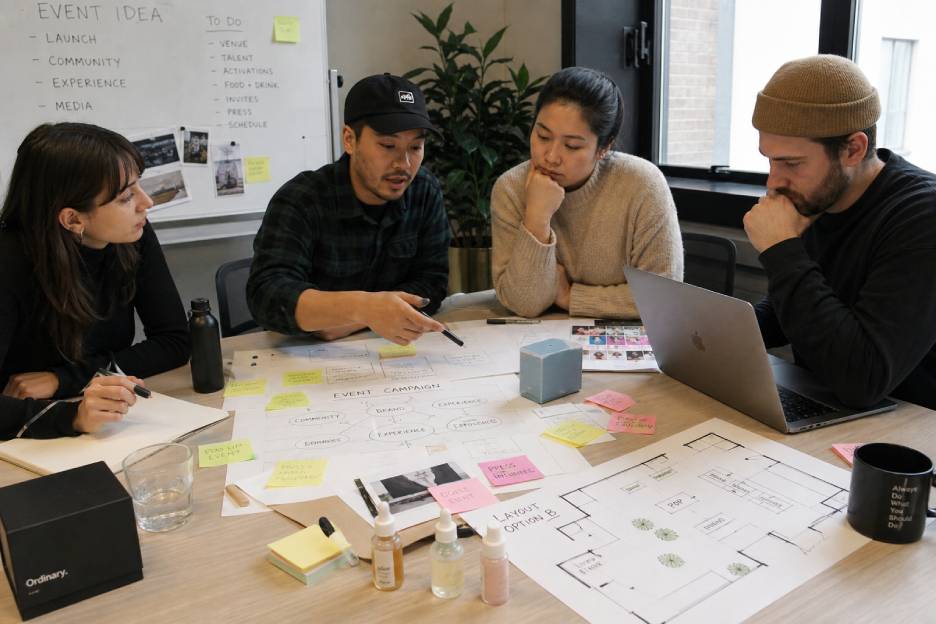
To turn a simple event idea into a successful campaign, brands need clear planning, practical execution, customer understanding, and a strong campaign flow. The idea must be shaped into an experience that customers can understand, join, remember, and act on.
This is where working with an experienced event agency in Singapore can help. A good agency helps brands take a basic idea and develop it into a campaign that works in a real event environment, not just on paper.
Start with a Clear Campaign Objective
Before planning the details, the brand must understand what the campaign should achieve.
Some campaigns are created to increase brand awareness. Others are designed to encourage product trials, collect leads, drive store visits, promote a new product, gather feedback, or support sales conversations.
Without a clear campaign objective, the event idea may become too broad. The team may add too many activities, messages, or design elements without knowing what result matters most.
For example, if the objective is product trial, the campaign should make it easy for customers to test, taste, or experience the product. If the objective is lead collection, the campaign should include a clear registration flow and a reason for customers to share their details.
A simple idea becomes stronger when the goal is clear from the beginning.
Understand the Audience Before Designing the Experience
A campaign idea should be planned around the people it wants to reach.
Different audiences respond to different event experiences. Office workers may prefer quick and direct engagement. Families may enjoy a more relaxed activity. Younger customers may respond well to photo moments, games, or digital interaction. Customers considering higher-value products may need more explanation and one-to-one conversation.
Understanding the audience helps brands decide the right message, activity, location, promoter approach, and event format.
A simple idea becomes more effective when it is shaped around real customer behaviour. Instead of asking only, “What do we want to do?”, brands should also ask, “What would make customers want to stop and join?”
Turn the Idea into One Main Message
Many event campaigns become confusing because they try to say too much.
A simple event idea should be supported by one clear main message. This message should explain what the campaign is about and why it matters to the customer.
For example, a new drink campaign may focus on “try the new flavour.” A service campaign may focus on “get advice from our team.” A technology campaign may focus on “see how it works in one minute.”
The main message should appear across signage, promoter scripts, product displays, digital touchpoints, and follow-up materials. When the message is consistent, customers are more likely to understand and remember the campaign.
Choose the Right Event Format
The same idea can perform differently depending on the event format.
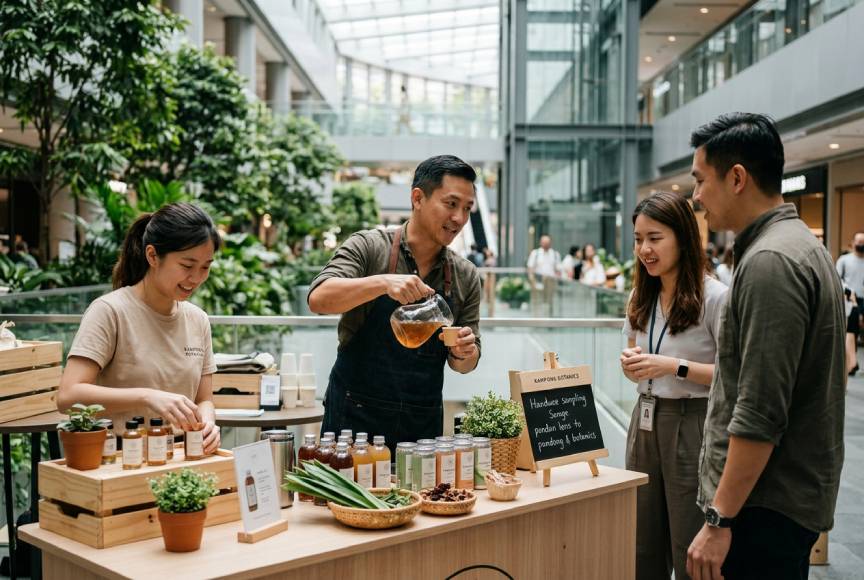
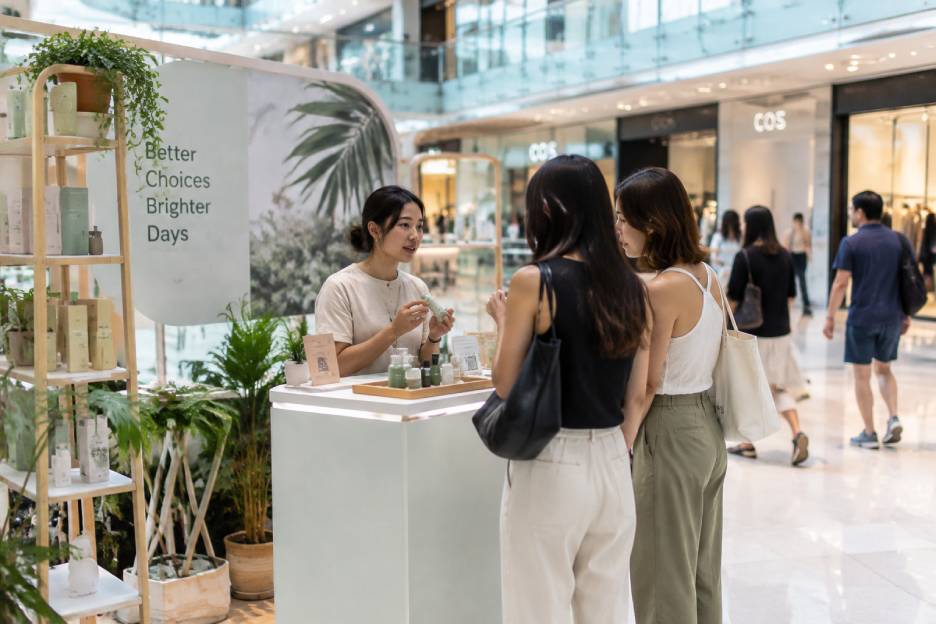
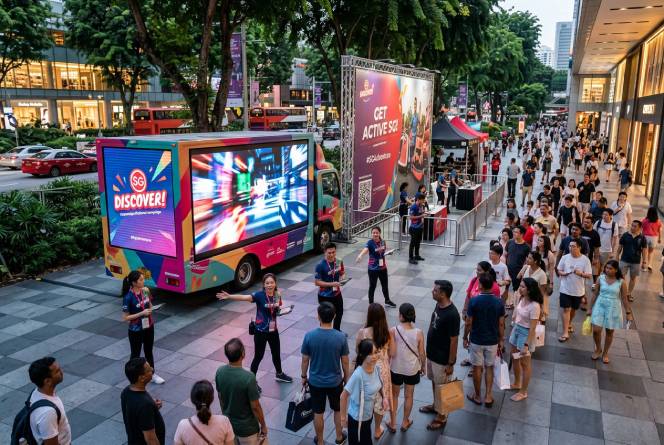
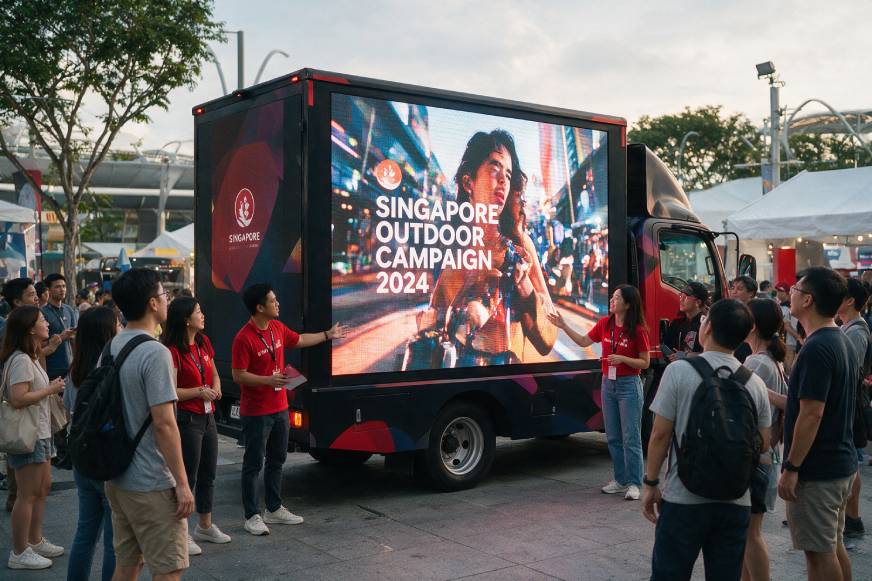
A product sampling idea may work well as a roadshow, retail activation, mobile event space, or in-store promotion. A launch concept may need a more focused product demonstration area. A lead-generation campaign may need a setup with a QR station and consultation space.
The event format should match the campaign objective, audience, location, and budget.
An event agency in Singapore can help brands decide whether the idea should become a roadshow, product launch, sampling campaign, retail activation, mobile campaign, or interactive customer experience.
Choosing the right event format helps the campaign feel more practical and easier to execute.
Build a Simple Customer Journey
A successful campaign should guide customers from first attention to final action.
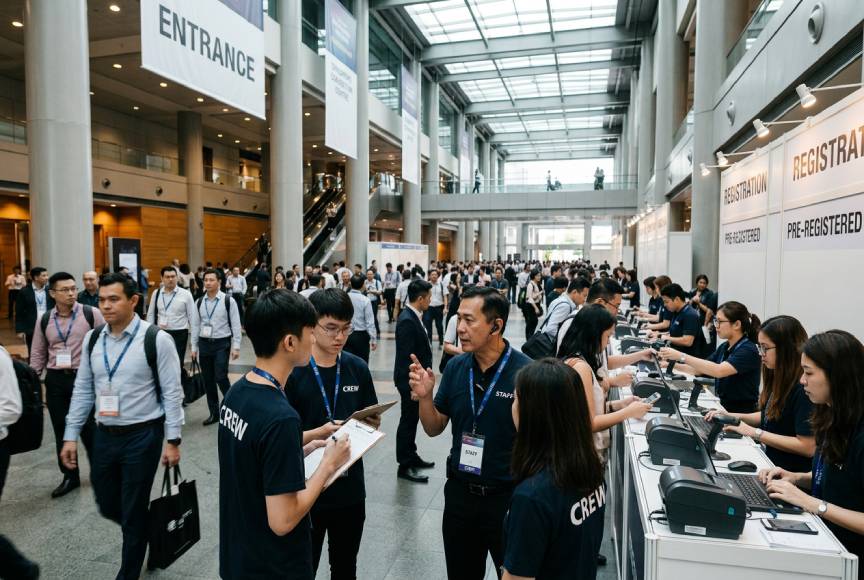
The customer journey may begin when people notice the booth, display, promoter, or activity. From there, they may approach the space, ask a question, try the product, join an activity, scan a QR code, redeem a reward, or receive a follow-up offer.
If the journey is unclear, customers may drop off halfway. They may not know where to start, what to do next, or why they should continue.
A simple customer journey helps customers move naturally through the campaign.
First Step
The first step should be easy to understand, such as “try a sample,” “watch a demo,” “scan to redeem,” or “join the activity.”
Main Experience
The main experience should help customers understand the product, service, or brand message.
Final Action
The final action should guide customers toward the campaign goal, such as registration, enquiry, purchase interest, store visit, or online follow-up.
Make the Campaign Easy to Join
Even a good idea can fail if customers find it difficult to participate.
The campaign should not require long instructions, complicated steps, or too much waiting. Customers should quickly understand what they can do and what they will receive.
Clear signage, friendly promoters, open layout, simple activity rules, and visible reward information can make the campaign easier to join.
This is especially important in busy locations where customers may only have a short amount of time. A simple and easy-to-join campaign can often attract more meaningful participation than a complicated setup.
Prepare Promoters with the Right Briefing
Promoters are one of the most important parts of a live event campaign.
They help customers understand the activity, explain the product, answer questions, guide the next step, and create a more human connection with the brand.
However, promoters need clear briefing before campaign day. They should understand the campaign objective, product benefits, activity flow, customer approach, common questions, and final call-to-action.
A promoter who understands the campaign can explain the idea naturally. This helps the experience feel more helpful and less like a hard sell.
Use Design to Support the Idea
Event design should make the campaign easier to understand, not just more attractive.
The visuals, booth layout, product display, signage, and activity area should all support the main message. Customers should be able to look at the setup and quickly understand what the campaign is about.
Good design also helps create clear customer flow. Product displays should be visible. QR stations should be easy to find. Activity areas should not block the entrance. Reward redemption should have a clear location.
When design supports the idea, the campaign feels more organised and professional.
Add Interaction with a Clear Purpose
Interaction can help customers remember the campaign, but it should not be added only for entertainment.
A game, quiz, demo, sampling activity, QR journey, or photo moment should support the campaign objective. If the interaction has no connection to the product or message, customers may enjoy the activity but forget the brand.
For example, a quiz can help customers discover a suitable product. A demo can show the product benefit. A sampling activity can encourage product trial. A QR journey can connect customers to an offer or follow-up.
Purposeful interaction helps turn a simple event idea into a more meaningful campaign experience.
Plan the Follow-Up Before the Event Ends
A successful campaign should not stop when the customer leaves the event space.
Follow-up can help continue the relationship after the first interaction. This may include a voucher, product guide, WhatsApp enquiry, social media follow, email reminder, landing page, or store visit prompt.
The follow-up should connect naturally to the live experience. If customers tried a product, they can receive a purchase offer. If they joined a quiz, they can receive a recommendation. If they asked questions, they can be guided to speak with the brand team.
Planning the follow-up early helps the campaign create value beyond the event day.
Review What Worked After the Campaign
After the campaign, brands should review the results and customer response.
Useful points to review may include customer participation, QR scans, product trials, leads collected, voucher redemptions, promoter feedback, customer questions, and overall campaign flow.
This review helps brands understand whether the simple idea worked as expected. It also shows what can be improved for the next campaign.
A successful event campaign is not only about one event day. It also gives the brand useful learning for future marketing activities.
Why the Right Event Agency Matters
Turning a simple idea into a successful campaign requires planning across many details.
A reliable event agency in Singapore helps brands refine the concept, choose the event format, simplify the message, plan the customer journey, design the setup, brief promoters, manage logistics, and review campaign performance.
This support is useful for roadshows, product launches, sampling campaigns, retail activations, mobile event spaces, and interactive brand experiences.
The right agency helps ensure that the campaign idea is not only creative, but also practical, customer-friendly, and result-focused.
Conclusion
A simple event idea can become a successful campaign when it is planned with a clear objective, strong message, suitable format, smooth customer journey, trained promoters, purposeful interaction, and meaningful follow-up.
An experienced event agency in Singapore helps brands turn ideas into event experiences that customers can understand, enjoy, and remember.
When the idea is simple but well executed, the campaign has a better chance of creating real engagement, stronger brand recall, and better results.