A brand activation campaign should do more than look good on event day. It should create real interaction, support campaign goals, and give the brand useful results to review after the activation ends.
Many businesses focus heavily on the setup, visuals, and event idea, but measurement is just as important. Without clear tracking, it is difficult to know whether the campaign actually worked.
For brands working with an activation agency in Singapore, measuring success helps turn a campaign from a one-time activity into a learning opportunity. It shows what attracted customers, what encouraged engagement, and what can be improved in the next campaign.
Start with a Clear Campaign Objective
Before measuring results, the brand must first define what success means.
Different campaigns have different goals. Some are designed to build awareness, while others focus on product trials, lead generation, sales enquiries, customer feedback, or social media engagement.
For example, a product sampling campaign may measure how many samples were distributed and how customers responded. A roadshow may measure foot traffic, leads collected, or QR scans. A retail activation may focus on customer interaction and purchase interest.
When the objective is clear from the beginning, the results will be easier to track and review.
Measure Customer Engagement
Customer engagement is one of the most important indicators of brand activation success. A strong campaign should encourage people to stop, interact, and take part in the experience.
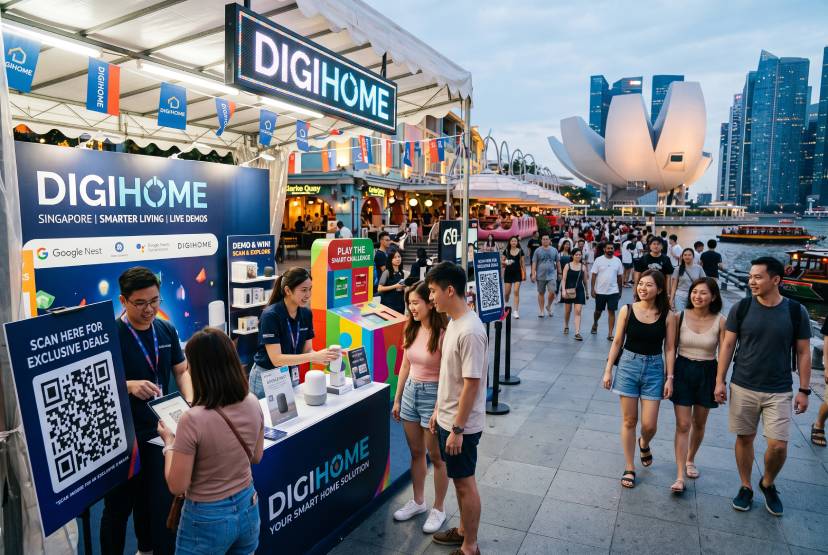
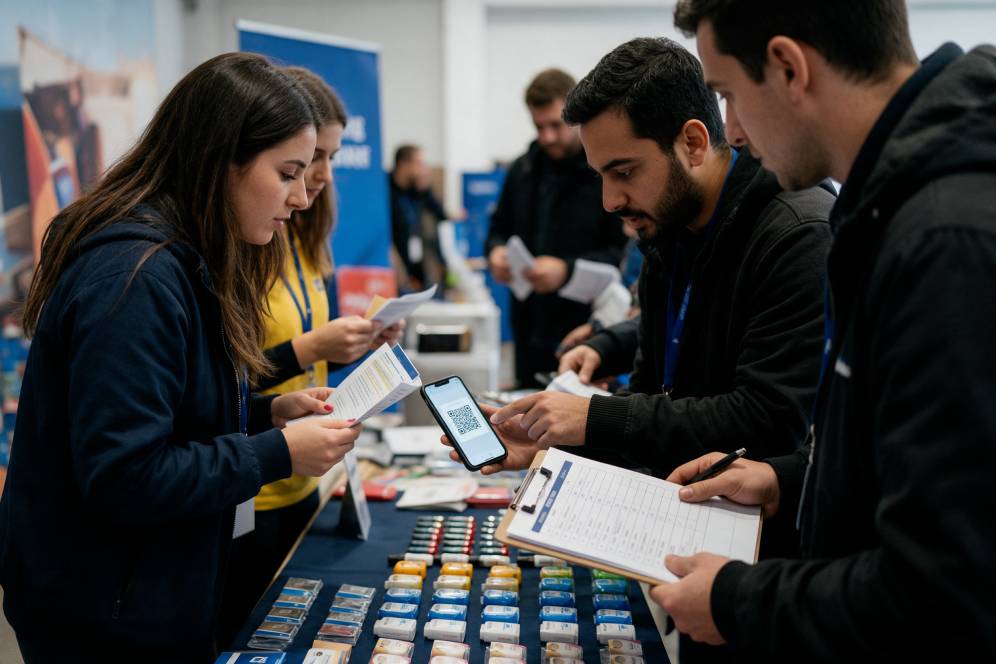
Engagement can be measured by looking at how many people joined an activity, spoke to promoters, watched a demo, scanned a QR code, played a game, took a photo, or participated in a survey.
This is especially important for on-ground activation in Singapore, where the goal is often to create direct interaction between the brand and the audience.
High engagement usually means the campaign was able to attract attention and create enough interest for people to participate.
Track Leads and Enquiries
If the campaign goal is lead generation, then leads collected should be one of the main measurements.
Leads can come from QR forms, sign-up sheets, event registrations, contest entries, product enquiries, consultation bookings, or digital redemption forms.
However, brands should not only count the number of leads. They should also look at lead quality. A smaller number of relevant leads can be more valuable than a large number of weak or uninterested contacts.
A good activation campaign should make the lead collection process simple, clear, and connected to the customer experience.
Review Product Trials and Sampling Results
For product-based campaigns, product trial is a key measurement.
If the campaign includes sampling or demonstrations, brands should track how many people tried the product, what feedback they gave, and whether they showed purchase interest.
Product trial is useful because it shows whether customers were willing to experience the product directly. It also gives the brand a chance to understand customer reactions in real time.
For food, beverage, beauty, lifestyle, health, and consumer products, this can be one of the most practical ways to measure campaign impact.
Monitor QR Scans and Digital Actions
Many modern brand activations include digital touchpoints. These can include QR codes, campaign landing pages, digital forms, online contests, voucher redemptions, social media follows, or interactive games.
Tracking these digital actions helps brands understand how many customers moved from physical engagement to online follow-up.
For example, a customer may try a sample at a roadshow, scan a QR code, register for a voucher, and later visit the brand’s website. This gives the campaign a clearer customer journey.
Digital tracking also makes it easier to compare results across different locations, dates, or campaign formats.
Collect Customer Feedback
Customer feedback is valuable because it shows how people actually feel about the campaign or product.
Feedback can be collected through short surveys, promoter notes, QR forms, verbal comments, rating systems, or post-campaign follow-up.
The feedback does not need to be complicated. Even simple questions can help the brand understand whether customers liked the product, understood the message, or found the activation interesting.
This information can help improve future campaigns, product messaging, and customer experie
Evaluate Sales and Conversion Support
Not every brand activation is designed for immediate sales, but many campaigns still support the sales journey.
Brands can measure sales-related results through product purchases, voucher redemptions, sales enquiries, consultation bookings, trial sign-ups, store visits, or post-campaign follow-up responses.
For some campaigns, the main value may not happen on the same day. A customer may first discover the brand at an activation, then make a decision later after receiving more information.
This is why it is useful to connect the campaign with clear follow-up actions.
Compare Performance Across Locations
If the campaign runs across multiple locations, brands should compare the performance of each location.
One area may generate more foot traffic, while another may produce better leads. A business district may perform well for professional services, while a heartland location may be better for family products or household campaigns.
This comparison helps brands understand where their audience responds best. It also helps improve future roadshow planning, mobile event space selection, and campaign scheduling.
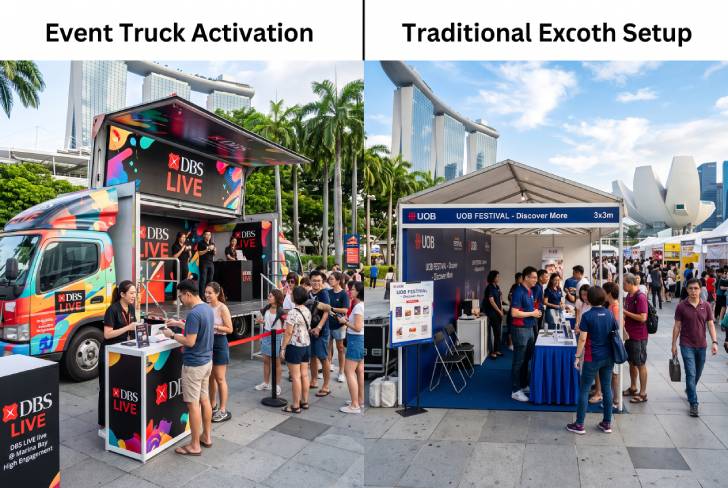
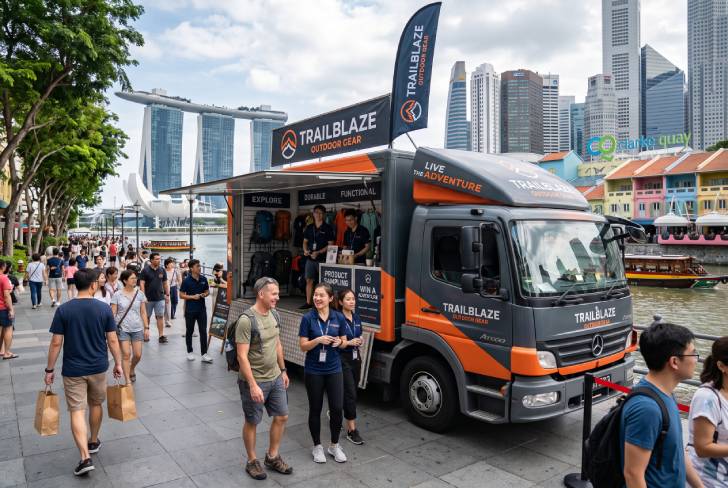
For brands using mobile event trucks or roadshow setups, location-based measurement can be especially useful.
Review Staff Performance and Customer Flow
Promoters and event staff play a major role in campaign success.
Even with a strong setup, the campaign may underperform if staff are not properly briefed or if the customer flow is confusing.
Brands should review whether promoters approached customers well, explained the product clearly, managed the activity smoothly, and guided people toward the right next step.
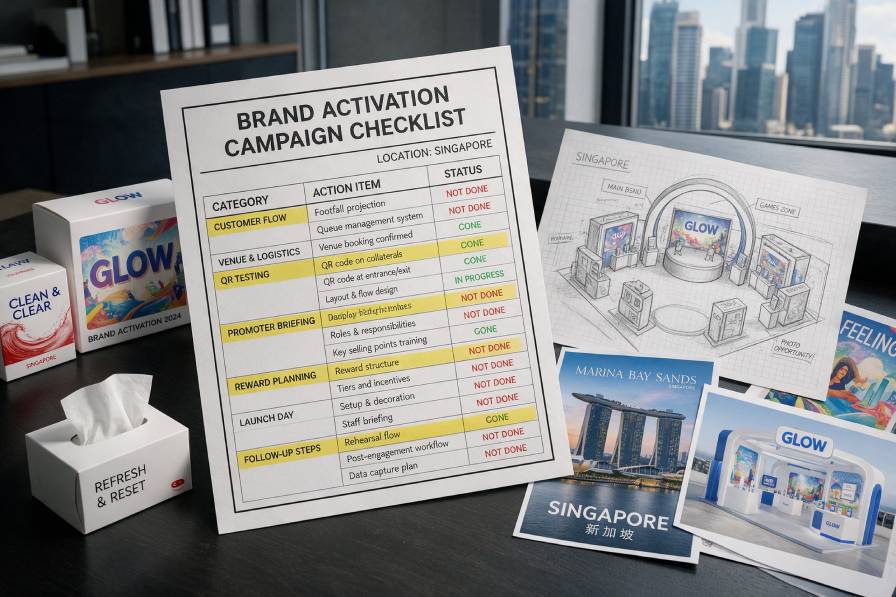
Customer flow should also be reviewed. If people were confused, queues were too long, or the process felt too slow, the campaign may need adjustment.
Measure Brand Recall and Social Sharing
Some campaigns are designed mainly to build awareness and recall. In this case, brands should look beyond direct leads or sales.
Brand recall can be supported by strong visuals, interactive activities, photo moments, digital screens, giveaways, and memorable campaign setups.
Social sharing can also be a useful signal. If customers take photos, post stories, use campaign hashtags, or share the experience online, the activation can reach beyond the physical event location.
This is especially useful for lifestyle brands, product launches, retail campaigns, and mobile event activations.
How an Activation Agency Can Help with Measurement
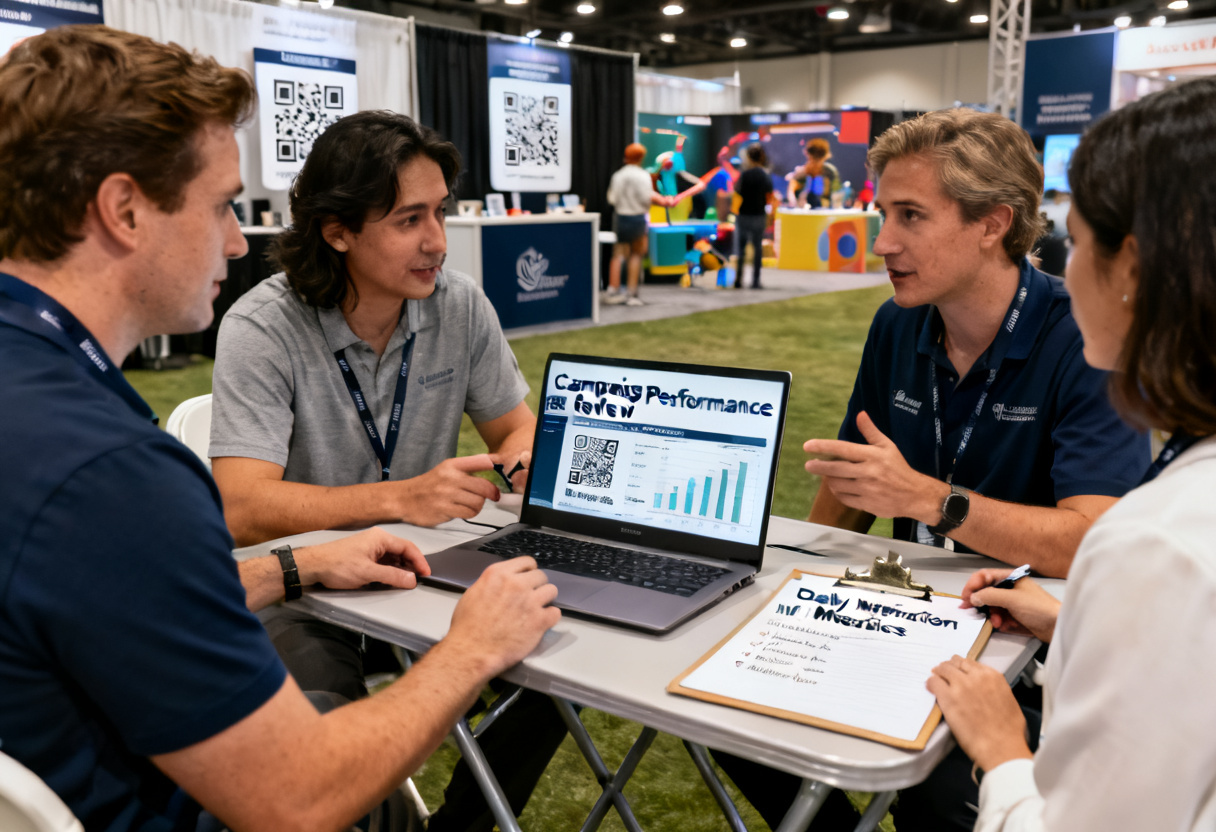
A good activation agency does not only help with setup and execution. It should also help brands think about what to measure before the campaign starts.
An experienced activation agency in Singapore can support campaign planning, engagement flow, QR participation, surveys, data collection, event staffing, mobile event spaces, and post-campaign review.
This helps ensure the campaign is not just visually attractive, but also measurable and purposeful.
When measurement is included from the planning stage, the brand can better understand campaign performance after the activation ends.
How Unicom Marketing Supports Measurable Brand Activations
Unicom Marketing supports brands with brand activation, on-ground activation, roadshows, mobile event spaces, mobile event trucks, product sampling, retail entertainment, interactive digital devices, and event campaign execution in Singapore.
Our team helps brands create campaign experiences that attract attention, encourage interaction, and support measurable outcomes.
Whether your campaign goal is awareness, product trial, lead generation, customer engagement, or sales support, Unicom Marketing can help plan an activation that connects real-world interaction with practical campaign results.
Final Thoughts
Measuring a brand activation campaign is important because it helps brands understand what worked and what can be improved.
A successful activation should not only look impressive. It should create engagement, support the campaign objective, and provide useful insights after the event.
By tracking customer interactions, leads, product trials, QR scans, feedback, sales enquiries, location performance, and social sharing, brands can make better decisions for future campaigns.
For businesses in Singapore, working with the right activation partner can help create campaigns that are both creative and measurable.