Pop-up ideas for Singapore brands include a product discovery bar, a tasting counter, a customisation studio, a challenge zone, a community workshop and a mobile showroom. Each gives the audience a reason to stop, take part and discover the product in a temporary branded space.
A retail activation usually sits within the shopping journey; a pop-up can also take place in a separate venue or mobile event space. Choose the setting around the audience and the campaign objective, then check space, access, queue flow, power and staffing. The ideas in this guide are planning concepts, not confirmed venue packages.
Use the retail formats below for in-store engagement, then compare the six pop-up ideas and Singapore examples further down. For broader inspiration, explore brand activation ideas. Unicom Marketing’s brand activation services in Singapore connect the concept with production and on-ground delivery.
Why Retail Activation Matters
Customers may walk past many products in a store without noticing them. Even when they notice a product, they may not fully understand its benefits or feel enough interest to try it.
Retail activation helps solve this by creating a more active customer experience. It gives shoppers a reason to stop, look, ask, try, scan, play, or engage with the brand.
This is especially useful for new products, seasonal promotions, product education, sampling campaigns, and brands that want to stand out in a competitive retail environment.
When done well, retail activation can turn a normal shopping moment into a stronger brand experience.
Product Demonstrations
Product demonstrations are one of the most practical retail activation ideas. They allow customers to see how a product works before making a purchase decision.
This is useful for beauty products, home appliances, technology items, lifestyle products, food preparation products, health products, and anything that needs explanation.
A live demonstration helps customers understand product features more clearly. It also allows promoters to answer questions, explain benefits, and show the product in action.
For products that are new or unfamiliar, this can help reduce hesitation and build trust.
Product Sampling
Product sampling is effective because customers can experience the product directly. Instead of only reading about the product, they can taste, touch, try, or test it.
This works especially well for food and beverage, skincare, wellness, household, and lifestyle products.
In a retail environment, sampling can also support immediate purchase action. After trying the product, customers can be guided to a nearby shelf, promotion counter, QR redemption, or limited-time offer.
The key is to connect the sampling experience with a clear next step.
Interactive Digital Displays
Interactive digital displays can make retail campaigns more engaging. Instead of showing only static visuals, brands can use touchscreens, digital panels, product videos, quizzes, or interactive product guides.
These displays help customers learn about the product at their own pace. They can also make the campaign feel more modern and professional.
For example, a customer may tap a screen to compare product features, watch a short video, answer a quiz, or receive a personalised recommendation. This creates a more active experience compared to normal product browsing.
Photo Booth and Social Media Moments
A photo booth or creative photo corner can help make a retail activation more shareable. When customers take photos and share them online, the campaign can gain additional exposure beyond the store.
This works well for lifestyle brands, beauty campaigns, festive promotions, product launches, and events that want to create a fun customer experience.
The setup should be visually attractive and clearly branded. A campaign hashtag, QR code, or social media call-to-action can help connect the in-store activity with online engagement.
QR Rewards and Digital Redemption
QR codes are useful because they make customer participation simple. Shoppers can scan a code to redeem a voucher, join a contest, register interest, claim a sample, or receive more product information.
This type of activation works well because it connects the physical retail experience with digital follow-up. Brands can continue engaging the customer after the in-store interaction.
However, the process should be short and easy. If the form is too long or the reward is unclear, customers may lose interest.
Gamified Retail Activities
Games can make retail activations more fun and memorable. A simple digital game, spin-and-win activity, quiz, challenge, or leaderboard can encourage customers to participate.
Gamification works because it gives customers a reason to spend more time with the brand. It also makes the campaign feel less like a sales pitch and more like an experience.
For stronger results, the game should connect back to the product or campaign message. The reward can be a sample, discount, voucher, gift, or exclusive promotion.
In-Store Promoter Engagement
Promoters and brand ambassadors are still important in retail activation. They help guide customers, explain the product, manage the activity, answer questions, and encourage participation.
A good promoter does more than distribute flyers. They understand the campaign message and know how to approach customers naturally.
The customer experience can improve a lot when the promoter is friendly, clear, and well-trained.
6 Pop-Up Ideas for Singapore Brand Campaigns
A pop-up is a temporary branded space built around a defined audience experience. These six pop-up ideas can be adapted to a retail setting, a standalone venue or a mobile format after the site and operating requirements are confirmed.
1. A personalised product discovery bar
Invite the audience to compare a small selection of products with a trained brand ambassador. Use a short preference question, a guided trial and a relevant recommendation. This suits beauty, fashion and wellness briefs where the product needs explanation. Keep consultations optional and plan a separate queue for longer conversations.
2. A tasting counter with a product story
Build the space around one flavour, ingredient or product benefit. Offer a short tasting journey and a clear way to find the product afterwards. Plan sample replenishment and the handover between the sampling team and the product display, so the experience keeps moving.
3. A customisation and maker studio
Let the audience personalise a take-home item or complete a short creative activity connected to the brand’s design language. Offer a manageable set of options and show finished examples. Plan equipment, materials and activity time around the number of stations available.
4. A challenge zone with a shareable achievement
Turn a product feature or campaign message into a simple challenge. A scorecard, leaderboard or completed task gives the audience an achievement worth keeping. Make the rules visible, distinguish first attempts from repeat plays, and provide an accessible alternative where practical.
5. A community workshop or partner takeover
Work with a suitable cafe, gym or interest group to bring a relevant audience together. Build the activity around a shared interest, such as a creative workshop or guided product discovery. Confirm the partner’s role, session capacity and booking process before inviting participants.
6. A mobile showroom or travelling pop-up
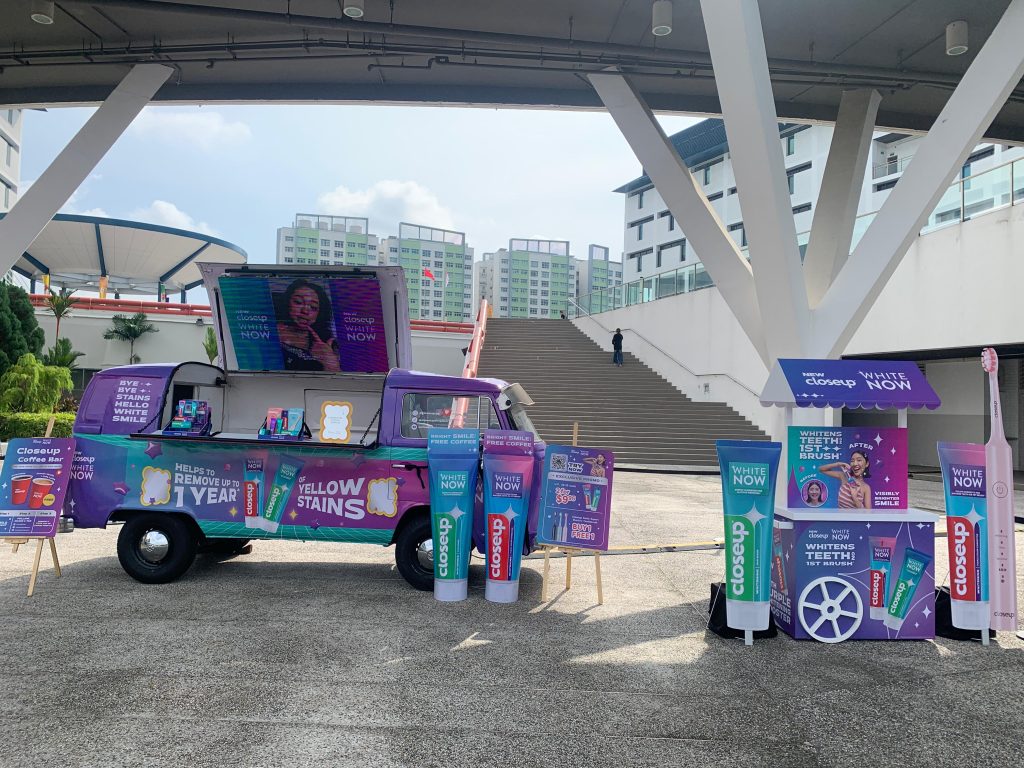
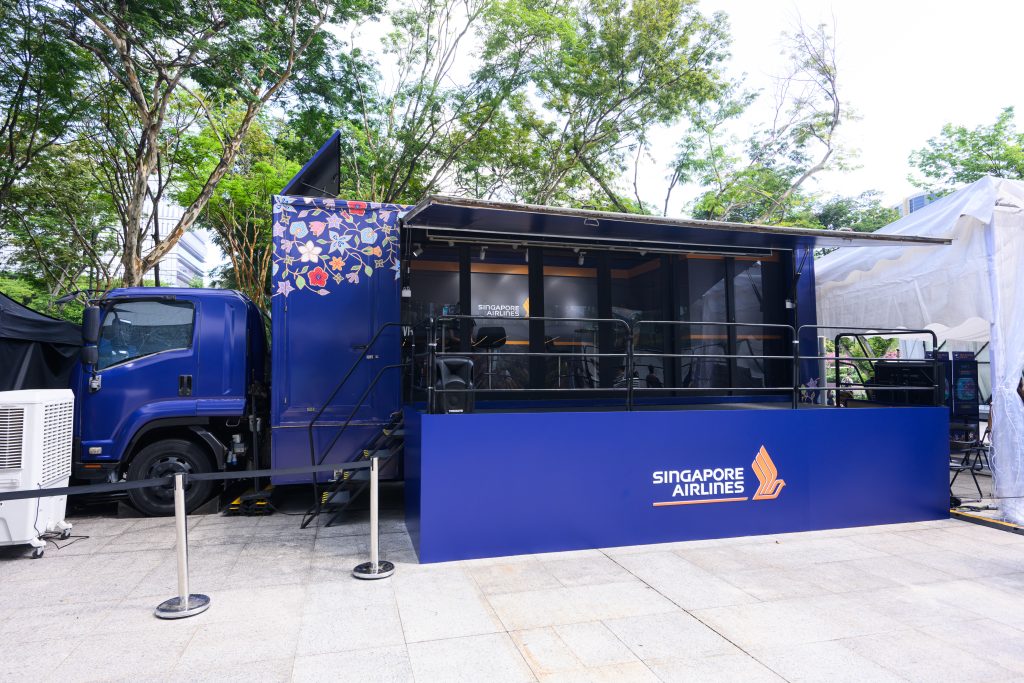
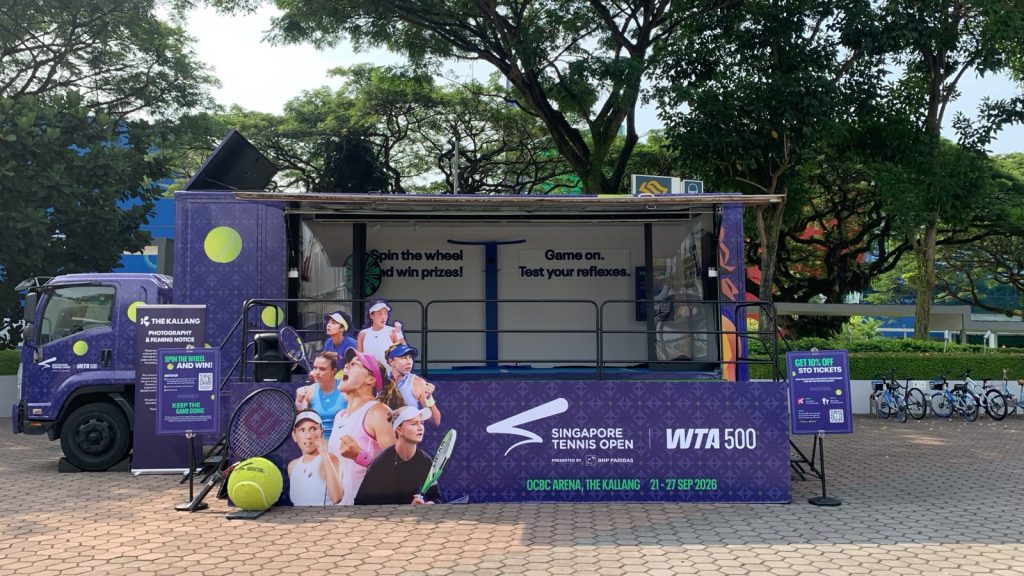
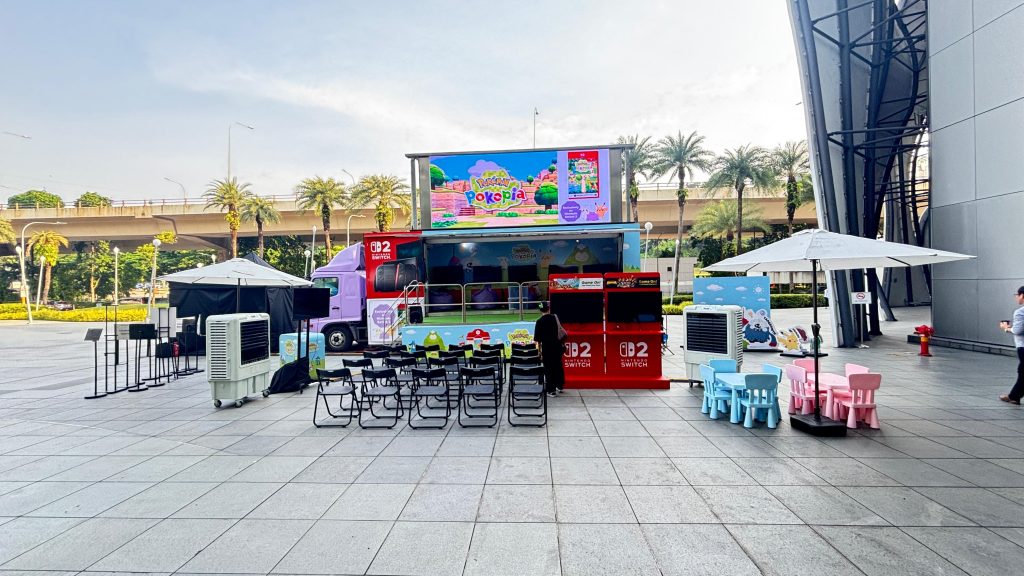
Use a PopSpace mobile event space, event truck or Kombi van to take a compact product experience to several approved sites. Keep the main story consistent while adapting operating hours, queue layout and staffing to each audience and location.
| Pop-up idea | Main objective | Useful measure |
|---|---|---|
| Discovery bar | Product education | Completed consultations |
| Tasting counter | Product trial | Completed tastings and redemptions |
| Customisation studio | Personal involvement | Completed items and activity time |
| Challenge zone | Interactive participation | Unique participants and completions |
| Community workshop | Relevant audience engagement | Attendance and completed sessions |
| Mobile showroom | Discovery across locations | Interactions and enquiries by site |
Singapore examples from Unicom Marketing
Unicom’s PopSpace project gallery features a Freshjoy brand experience at Resorts World Sentosa and a Campaign360 showcase at Marina Bay Sands. These show the mobile format in Singapore; a new venue and activity still need their own site assessment.
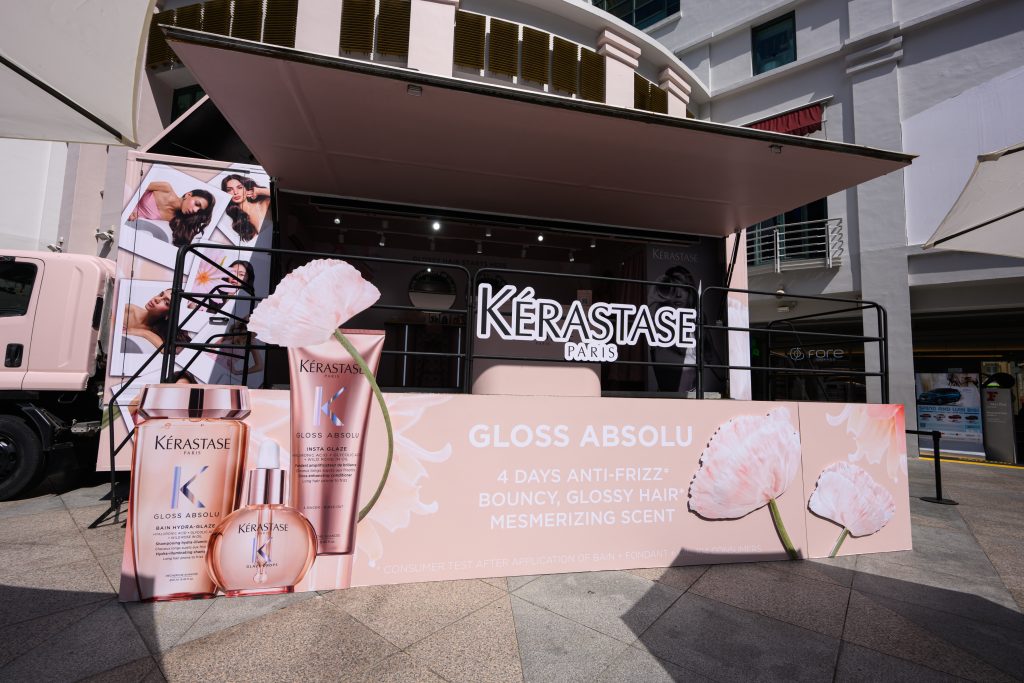
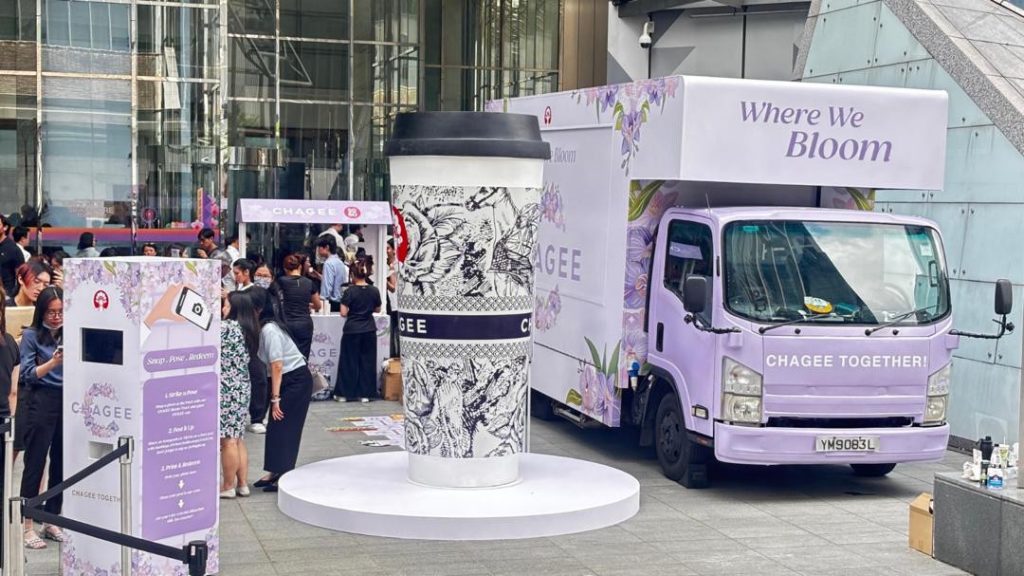
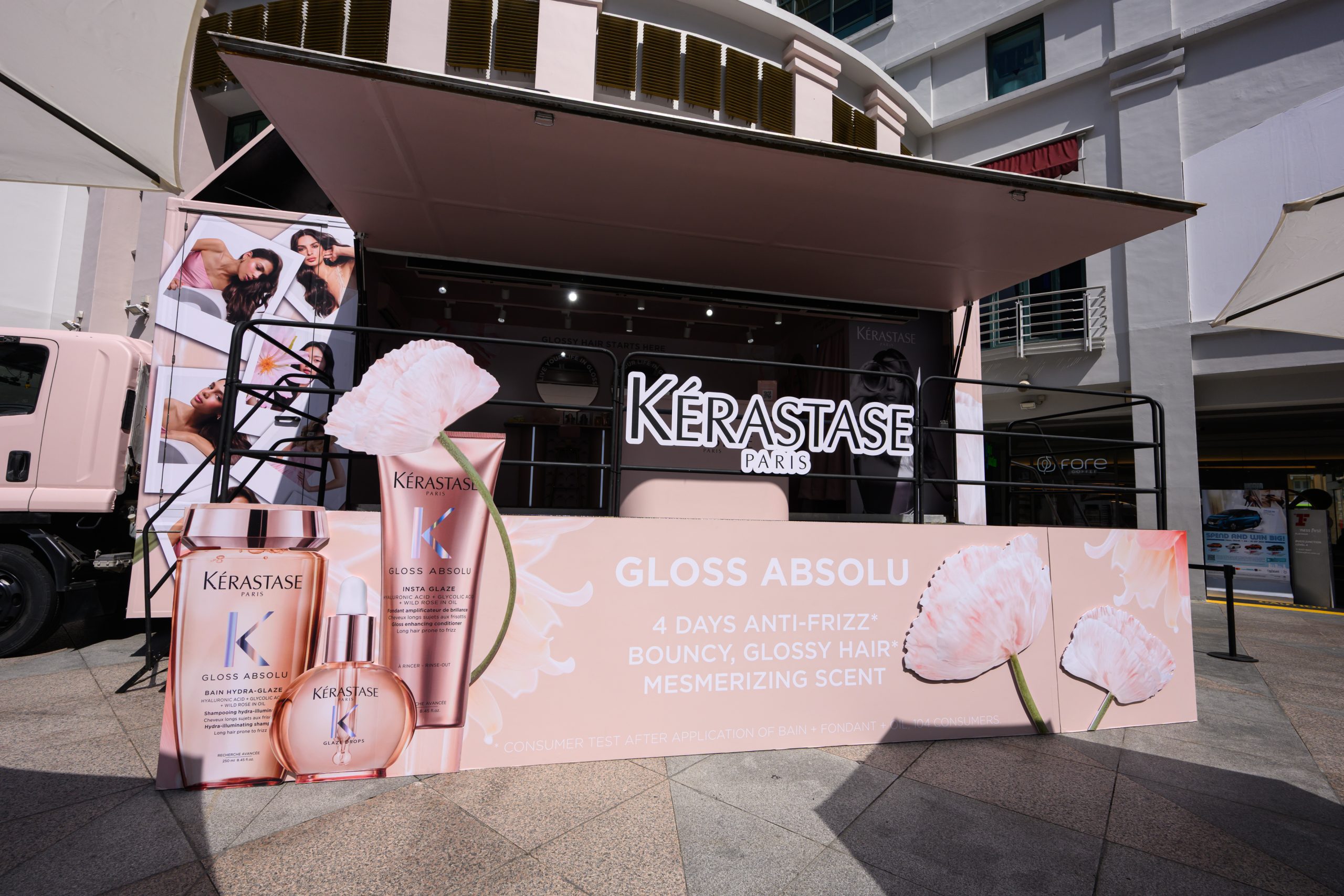
For participation ideas, CHAGEE’s Where We Bloom campaign combined tea sampling, a hopscotch challenge and photo moments. Kérastase Gloss Absolu used product demonstrations, scalp scans, a matching game and sample redemption. Use the project stories to understand the actual activities, rather than treating them as fixed packages.
What to confirm before producing a pop-up
Agree the objective, audience, venue, dates and budget range first. Check the usable footprint, queue space, vehicle access where relevant, power, product storage, setup and teardown windows, staffing and the next action after participation. Record trials, consultations, enquiries and redemptions separately from estimated footfall.
Explore mobile event spaces for a travelling concept, or our brand activation services for creative planning, production and delivery.
How to Choose the Right Retail Activation Idea
The best retail activation idea depends on your campaign goal.
If the goal is product education, a demonstration or interactive display may work well. If the goal is trial, sampling is a strong option. If the goal is social sharing, a photo booth or branded visual setup may be useful. If the goal is lead collection, QR rewards or digital registration can help.
Brands should also consider the retail space, customer flow, product type, campaign budget, and available manpower.
A good activation should feel easy for customers to join and clear enough for them to understand quickly.
How Unicom Marketing Supports Retail Activation Campaigns
Unicom Marketing supports brands with retail entertainment, interactive digital devices, product sampling, brand activation, roadshows, mobile event spaces, and on-ground activation in Singapore.
Our team can help brands create engaging retail experiences using digital displays, photo booths, interactive panels, gamification, QR participation, event staffing, and campaign setup support.
Whether your brand needs an in-store activation, product demo, retail promotion, or interactive customer experience, Unicom Marketing can help bring your campaign to life.
Final Thoughts
Retail activation helps brands create stronger engagement inside physical retail spaces. It gives customers a reason to stop, interact, try, learn, and remember the brand.
In Singapore’s competitive retail environment, brands need more than product placement. They need experiences that connect with customers at the right moment.
With the right activation idea, retail campaigns can become more interactive, memorable, and effective.
Pop-up ideas: common questions
What makes a good pop-up idea?
A good pop-up idea connects a specific audience interest with a product experience and a clear next step. The concept needs to work within the available space, time, budget and operating team. Visual design should support the story and activity.
What is the difference between a pop-up shop and a pop-up activation?
A pop-up shop focuses on temporary retail and sales. A pop-up activation focuses on participation, such as sampling, demonstrations, games, workshops or consultations. One space can combine both when the audience journey and team responsibilities are clear.
Which pop-up ideas suit a smaller space?
A single-product tasting counter, a compact discovery bar, a guided demonstration or a small customisation station can work within a limited footprint. Confirm the actual working space, storage and queue area before deciding how many activities to include.
How much does a pop-up activation cost in Singapore?
The cost depends on the venue and duration, design and fabrication, technology, staffing, stock, transport and setup requirements. Ask for an itemised quote against a defined brief. A travelling format also needs logistics and access checks for each location.
How do I measure a pop-up campaign?
Choose measures that match the objective: completed trials for sampling, completed consultations for product education, unique participants for games, and verified enquiries or redemptions for follow-through. Report estimated exposure separately and explain how each figure was counted.
For a tailored concept, brief Unicom Marketing with the objective, audience, preferred dates, location and budget range. For more formats, compare our brand activation ideas in Singapore.